
Plants
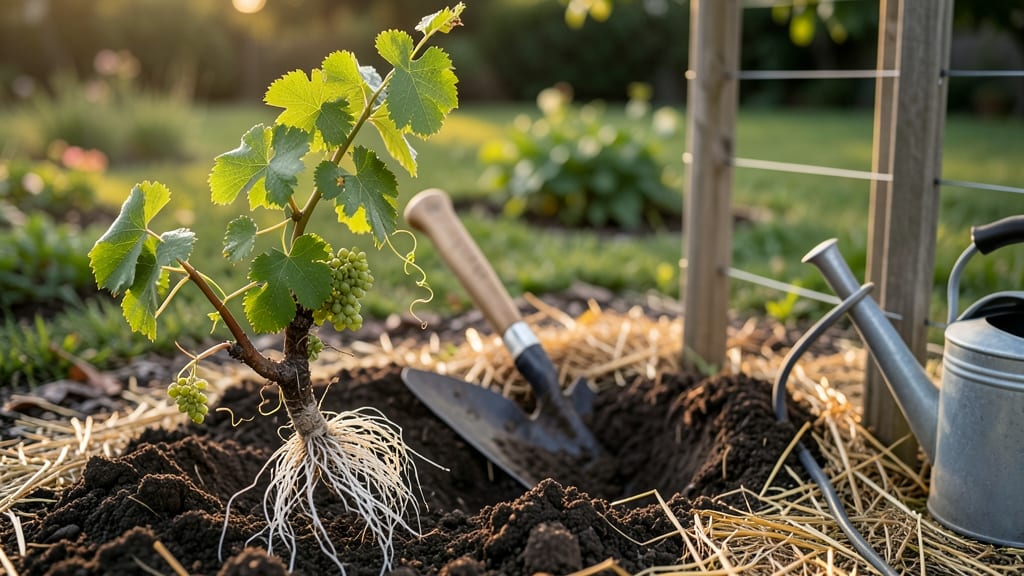
Timing your 🍇 grape vine planting in Zone 7 can make or break your harvest—get it wrong, and you risk frost damage or weak roots. The best window isn't just about months, but soil temperatures and frost dates that create the perfect conditions for strong root growth before winter.
Most gardeners in Zone 7 swear by early spring planting, but late fall can also work if you time it right.
The key is planting 2-3 weeks after the last frost (usually around mid-April for Zone 7), when soil temperatures hit 60°F—this gives your grape vine time to establish roots before summer heat arrives.
If you prefer fall planting, aim for October or early November, giving roots time to settle before the first frost (typically mid-November in Zone 7). This approach reduces transplant shock and sets your vine up for a stronger start next spring.
Whether you're a beginner or seasoned gardener, I'll walk you through the exact steps to choose the right time, prepare your soil, and pick cold-hardy varieties that thrive in Zone 7's climate. Let's get those vines growing strong!
Optimal planting windows for grape vines in Zone 7
Grape vines thrive in Zone 7, but timing your planting is everything. The last frost date in most of Zone 7 falls around April 15, while the first frost typically arrives by November 15.
Planting too early risks frost damage, while planting too late may stunt root growth before winter dormancy. The sweet spot? Early spring or late fall—when soil temperatures and daylight align for strong establishment.
In Zone 7, grape vines can be planted in two prime windows: March to April (spring) or October to November (fall). Each season offers unique advantages.
Spring planting gives vines a full growing season to establish roots before winter, while fall planting allows roots to settle in cooler soil, reducing transplant shock. Both require careful attention to soil temperature and frost risk.
For spring planting, aim for 2-3 weeks after the last frost, once soil temperatures consistently reach 60°F. This ensures roots warm up quickly and avoid cold stress.
In Zone 7, this usually means mid-to-late March in coastal areas and early April inland. Warmer microclimates near bodies of water may allow earlier planting.
Fall planting is trickier but rewarding. Plant 6-8 weeks before the first frost, ideally in October. This gives roots time to establish before dormancy. In Zone 7, this translates to early October in inland areas and late October near coasts.
Avoid planting in November—roots won’t have enough time to harden off before winter.
Here’s the critical detail: soil temperature matters more than air temperature. Use a soil thermometer to confirm readings of 60°F+ for spring planting or 50°F+ for fall. Cold soil slows root growth, leaving vines vulnerable to stress.
In Zone 7, soil warms faster in south-facing slopes or black plastic mulch—ideal spots for early planting.
🍇 Zone 7 Grape Vine Planting Comparison
| Season | Best Months | Soil Temp | Frost Risk | Root Growth |
|---|---|---|---|---|
| Spring | March–April | 60°F+ | Low (post-frost) | Fast (full season) |
| Fall | October–Early Nov | 50°F+ | Moderate (pre-frost) | Moderate (pre-dormancy) |
Coastal areas may adjust timing by 2–4 weeks earlier.
Regional variations within Zone 7 can shift your ideal planting window by weeks. Coastal areas (e.g., North Carolina or Georgia) enjoy milder winters and can plant 2-4 weeks earlier than inland zones (e.g., Tennessee or Kentucky).
Check your local frost dates—tools like the USDA Plant Hardiness Zone Map or Almanac frost calculators are invaluable.
For bare-root vines, spring planting is ideal—they establish roots quickly in warm soil. Potted vines, however, handle fall planting better because their roots are less disrupted. Whichever you choose, avoid container planting in spring—pots heat up faster and can scorch roots in Zone 7’s intense summer sun.
Pro tip: If you miss the spring window, don’t despair. Fall planting still works if you choose cold-hardy varieties like Norton or Concord. These vines tolerate 20°F dips, giving roots extra time to acclimate. Just mulch heavily with straw or wood chips to insulate roots before winter.
Remember, grape vines are perennial—they’ll reward patience. A vine planted in spring may take 2-3 years to bear fruit, while a fall-planted vine might fruit sooner due to earlier root establishment. Either way, timing is your secret weapon for a bountiful harvest in Zone 7. 🍇
Optimal planting windows for grape vines in Zone 7
Zone 7 gardeners have two prime opportunities to plant grape vines: early spring or late fall. Both windows offer advantages, but the best choice depends on your local frost dates and vine variety.
For most of Zone 7, the last frost date typically falls around April 15, while the first frost arrives near November 15. Timing is critical—planting too early risks frost damage, while planting too late may stunt root growth before winter.
Spring planting (March–April) gives vines 6–8 weeks of warm soil before summer heat peaks. This allows roots to establish before the vine enters dormancy in fall. Fall planting (October–November), however, lets you take advantage of cooler soil temperatures and reduced pest pressure.
Just ensure vines have 4–6 weeks to harden off before frost arrives. Coastal areas in Zone 7 (like Virginia Beach) may have milder microclimates, extending fall planting into early December.
Soil temperature is the deciding factor for both seasons. Grape vines thrive when soil stays above 60°F. Use a soil thermometer to confirm—planting when soil hits this threshold ensures roots won’t shock. In spring, wait until daytime temps consistently stay above 50°F. In fall, aim to plant 6–8 weeks before frost to allow root establishment.
| Season | Best Months | Soil Temp Requirement | Key Considerations |
|---|---|---|---|
| Spring | March–April | 60°F+ | Plant 2–3 weeks after last frost; vines grow rapidly in warm soil. |
| Fall | October–November | 50°F+ | Plant 6–8 weeks before first frost; cooler temps reduce stress. |
Regional variations within Zone 7 can shift these windows slightly. Inland areas (e.g., Raleigh, NC) have sharper frost contrasts, so stick to the earlier spring or later fall dates. Coastal zones (e.g., Charleston, SC) may push fall planting into early December due to moderating ocean breezes.
Always check your local USDA Plant Hardiness Zone map and consult your Cooperative Extension Service for hyper-local advice.
For cold-hardy varieties like Norton or Concord, fall planting is ideal—they tolerate winter dormancy better. Warmer-climate varieties (e.g., Cabernet Sauvignon) should avoid fall planting and stick to spring.
If you’re unsure, opt for spring planting—it’s the safer bet for beginners. Just be prepared to mulch heavily in fall to insulate roots if you choose the later window.
Once you’ve picked your window, prioritize well-draining soil and a sunny, sheltered spot. Grape vines need 6+ hours of sunlight daily and protection from strong winds.
Amend heavy clay soil with compost or sand to improve drainage, and consider installing a trellis or arbor at planting to support early growth. With the right timing and prep, your vines will thrive and reward you with homegrown grapes in 2–3 years.