Plants
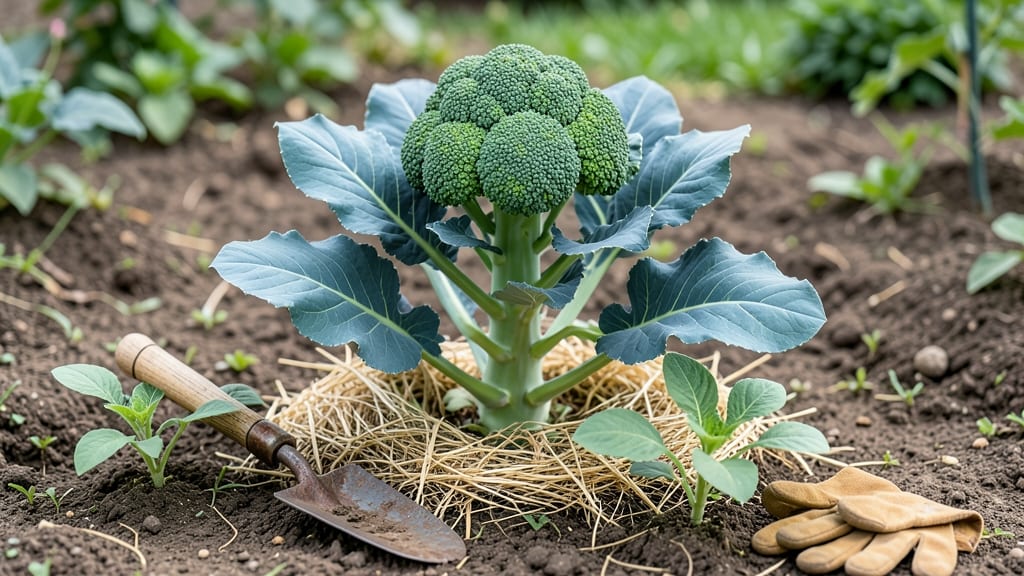
Planting broccoli in Central Florida at the wrong time means watching your 🥦 bolt into bitter stalks before you even get a single harvest. The key to thriving broccoli here isn't just about soil—it's about beating the heat and pests with perfect timing.
Most gardeners in zones 9a-10a make the mistake of planting too early in spring, only to see their plants wilt under Florida's relentless sun. But there's a sweet spot: late summer and winter plantings that align with cooler temperatures and shorter days.
In this guide, I'll show you exactly when to start seeds indoors or direct-sow outdoors for maximum success. You'll learn the two ideal windows that keep your broccoli happy and productive, plus how to extend your harvest season with simple tricks.
Whether you're a first-time gardener or a veteran grower, these timing secrets will help you avoid the common pitfalls that turn broccoli dreams into pest-infested nightmares. Let's get your garden growing the right way!
Best planting windows for broccoli in Central Florida’s heat zones (avoid these months!)
Central Florida’s USDA Zones 9a-10a offer two prime windows for broccoli—fall and winter—when daytime highs dip below 85°F and nights stay above 50°F. Miss these windows, and you’ll trigger bolting (premature flowering) or invite pests like cabbage worms that thrive in summer’s humidity.
The key? Plant when your garden mimics the cool coastal climates of California’s Central Valley, where broccoli thrives.
For fall plantings, aim for late August to mid-September—just as summer’s intensity wanes. This gives plants 60-80 days to mature before winter’s chill sets in.
Winter plantings should start January to early February, when frost risk is minimal but temperatures stabilize. Never plant in spring or summer—the heat will send your broccoli racing to flower before you see a single head.
Here’s the golden rule: Broccoli hates heat stress and water fluctuations. In Central Florida, that means avoiding May through October for direct sowing.
Instead, use shade cloth if you must plant early, or start seeds indoors 4-6 weeks before your target outdoor date to give seedlings a head start.
Soil temperature matters just as much as air temperature. Broccoli seeds won’t germinate well in soil warmer than 75°F. Use a soil thermometer to confirm 60-70°F ranges before planting.
In Central Florida, this typically aligns with late August for fall and January for winter, but microclimates near lakes or urban areas may shift these dates by 2-3 weeks.
| Planting Window | Ideal Air Temp (°F) | Soil Temp (°F) | Days to Maturity | Harvest Window | Key Tip | |||||||||||||||||||
|---|---|---|---|---|---|---|---|---|---|---|---|---|---|---|---|---|---|---|---|---|---|---|---|---|
| Late August | 70-85°F (day) | 60-70°F | 60-70 days | October-November | Use shade cloth if temps rise above 85°F | |||||||||||||||||||
| Mid-September | 75-80°F (day) | 65-70°F | 70-80 days | November-December | Mulch heavily to retain moisture | |||||||||||||||||||
| January | 60-75°F (day) | 55-65°F | 55-65 days | March-April | Protect from light frosts with row covers | |||||||||||||||||||
| Early February | 65-70°F (day) | 60-65°F | 60-70 days | April-May
Best planting windows for broccoli in Central Florida’s heat zones (avoid these months!)Central Florida’s USDA Zones 9a-10a offer two prime windows for broccoli—fall and winter—when temperatures dip below 85°F and pests slow down. Planting outside these windows risks bolting (premature flowering) or pest infestations. The key is to avoid summer heat (June-August) and align with Florida’s cool-season crops schedule. For fall plantings, start seeds indoors 4-6 weeks before your last frost date (mid-January) or direct-sow in August. Transplant seedlings outdoors by early September to ensure harvests before winter’s chill. Winter plantings should begin in January for a March-April harvest, avoiding the rare December frost risk. 🌱 Broccoli Planting Timeline for Central Florida
Direct sowing in Central Florida works best for fall plantings when soil temps stay below 75°F. Start seeds ¼-inch deep and space them 18 inches apart in rows 2 feet apart. For winter plantings, use transplants from nurseries to skip the slow germination phase in cooler soil. Soil prep is critical: Broccoli thrives in well-draining, slightly acidic soil (pH 6.0-7.0). Amend your garden beds with compost and a balanced fertilizer (10-10-10) before planting. Test your soil’s nitrogen levels—too much can cause leafy growth at the expense of head formation. If you’re seed-starting indoors, begin 6-8 weeks before transplanting (late July for fall, late December for winter). Use grow lights to provide 12-16 hours of light daily and maintain 65-70°F soil temps. Harden off seedlings 7-10 days before transplanting to reduce shock. Pro tip: Succession plant every 2 weeks during your chosen window to ensure a continuous harvest. In Central Florida, this means August-September for fall and January-February for winter. Just avoid planting after mid-October—you’ll risk frost damage before heads mature. |