
Plants
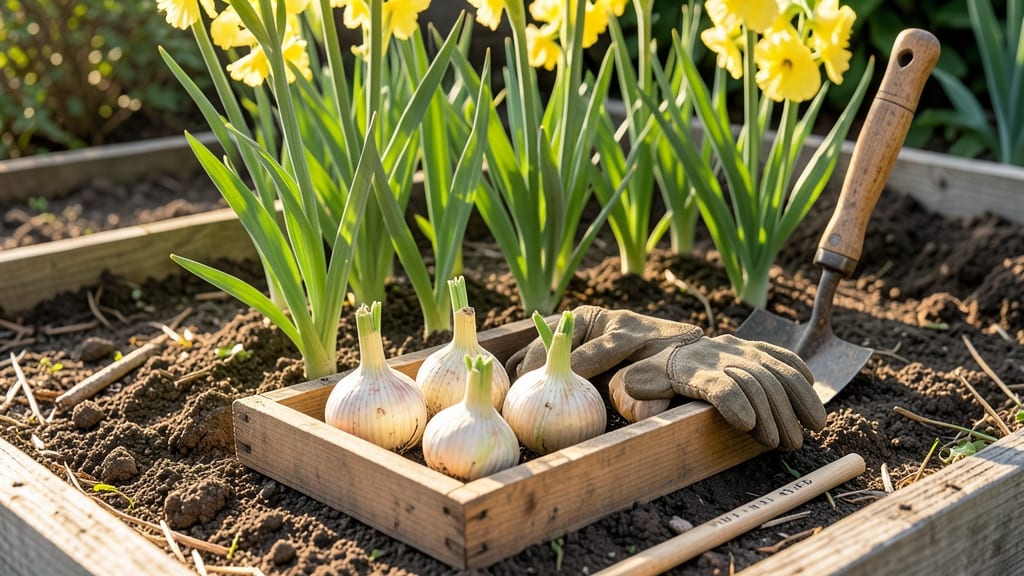
If you want bold summer blooms that turn heads in your Chicago garden, timing is everything when planting gladiolus bulbs. The mid-April to mid-May window is your sweet spot—right after the last frost—so you can avoid those chilly surprises that zap young shoots.
Chicago’s USDA Zone 6a climate means you’ve got just 165 frost-free days to work with, so getting those corms in the ground at the right time is key.
Plant too early, and you risk frost damage; too late, and you’ll miss out on the stunning July to September displays these 🌸 beauties deliver.
I’ll walk you through the exact steps to prep your soil, plant at the perfect depth, and care for your gladiolus so they thrive in Chicago’s conditions. Whether you’re a first-timer or a seasoned gardener, these tips will help you grow showstopping blooms year after year.
Ready to transform your garden? Let’s dive into the frost-free timeline and planting secrets that’ll have your neighbors asking for your secrets.
Chicago’s frost-free timeline for planting gladiolus bulbs
Gladiolus bulbs thrive in Chicago’s USDA Zone 6a, but timing your planting is critical to avoid late spring frosts that can damage tender shoots. Chicago’s average last frost date falls around April 15, but soil temperatures must also reach 60°F (15°C) for optimal growth.
Planting too early risks frost kill, while waiting too long may shorten your summer bloom season.
For the best results, aim to plant gladiolus corms 4-6 weeks before Chicago’s last frost. This means starting in early to mid-April, depending on your microclimate. If you’re in a cooler pocket of the city, like the north side, wait until late April for safer planting.
Always check your local Almanac frost predictions to fine-tune your schedule.
| Stage | Action | Notes |
|---|---|---|
| Soil Prep | Early April | Amend soil with compost; ensure drainage |
| Planting Window | Mid-April to May 15 | After last frost; soil at 60°F |
| Bloom Time | July to September | Earlier for spring plantings; later for summer |
| First Frost Risk | October 15 | Cut back foliage before hard frost |
Chicago’s short growing season means gladiolus planted in spring will bloom earlier, typically from mid-July to early September. If you want to extend your display, consider a late summer planting (around July 1) for fall blooms, though these may not fully mature before frost.
Always choose early-maturing varieties for Chicago’s climate to maximize your bloom time.
Soil temperature is just as important as air temperature. Use a soil thermometer to confirm your garden beds have reached 60°F (15°C) before planting. In Chicago’s urban heat islands, pavement and buildings can create microclimates where soil warms faster—ideal spots for early planting.
If your soil is still cold, wait until late April or early May to avoid stunted growth.
Pro tip: Stagger your plantings by 2-3 weeks for a continuous bloom display. Start with early varieties in mid-April, then add mid-season types in late April, and finish with late varieties in early May.
This ensures you’ll have gladiolus flowers from July through September, even in Chicago’s unpredictable climate.
Don’t forget to account for Chicago’s unpredictable weather. A late frost in May can still occur, so keep frost cloth on hand for young shoots.
If you’re unsure, err on the side of planting later rather than earlier, as gladiolus can handle brief periods of cooler weather once established. Just avoid planting when nighttime temperatures dip below 50°F (10°C).
For container gardening in Chicago, plant gladiolus in large pots (12+ inches deep) and place them in south-facing locations to maximize warmth. Containers warm up faster than garden beds, so you can often plant 1-2 weeks earlier than in-ground plantings.
Just ensure pots have drainage holes to prevent waterlogging, which gladiolus bulbs hate.
Finally, track your local Chicago Botanical Garden’s frost data or use the National Weather Service’s frost predictions for your specific neighborhood. Chicago’s Lake Michigan can create cooler pockets along the shore, while inland areas may warm up faster.
Adjust your planting timeline accordingly to give your gladiolus the best chance to thrive.
With the right timing, your gladiolus will reward you with stunning, sword-like spikes of color—adding drama to your Chicago garden from summer through fall. Just remember: patience pays off when it comes to gladiolus.
Plant too early, and you risk frost damage; plant too late, and you’ll miss out on those show-stopping blooms.
Chicago’s frost-free timeline for planting gladiolus bulbs
Chicago’s USDA Zone 6a climate means gladiolus bulbs must be planted after the last average frost date, typically around April 15. However, late frosts can still occur, so I recommend waiting until mid-April to mid-May for the safest planting window.
This timing ensures your gladiolus corms sprout before temperatures drop below 50°F (10°C), which can stunt growth.
To maximize your blooming season, aim for a planting date that gives you 90-120 days of growth before the first frost in mid-October. In Chicago, this means starting as early as late April for summer-long blooms through September.
Early planting also helps gladiolus establish strong roots before the heat of summer arrives.
🌱 Chicago Gladiolus Planting Timeline
| Stage | Action | Notes |
|---|---|---|
| Early April | Purchase corms | Choose firm, plump corms (size 1 or larger) |
| Mid-April | Soil prep | Amend soil with compost; ensure drainage |
| Late April - Mid-May | Plant corms | 4-6 inches deep, 6 inches apart |
| June - July | Blooming season | Enjoy flowers; deadhead spent blooms |
| October | Dig up corms | Before first frost; store in dry place |
If you’re eager to get started, you can start gladiolus indoors in early March using pots with well-draining soil. This gives you a 2-3 week head start on outdoor planting, especially useful if you experience a late frost.
Just be sure to harden off seedlings for 7-10 days before transplanting after the last frost date.
Chicago’s variable spring weather means monitoring soil temperatures is key. Wait until the soil reaches at least 60°F (15°C) before planting, as cooler soils can delay sprouting. Use a soil thermometer to check—this is especially important in northern Chicago suburbs, where frosts linger longer.
For extended blooming, stagger your plantings by 2-3 weeks. Start with early varieties in late April, then follow with mid-season types in early May. This ensures you have continuous blooms from July through September, even if some varieties finish early. Just
Pro tip: Mark your planting date on a garden calendar and set a reminder to dig up corms before the first frost. In Chicago, this is usually mid-to-late October, but watch local forecasts—some years, frost arrives earlier. Storing corms in a cool, dry place (like a garage) ensures they’ll be ready for next year’s planting.