
Plants
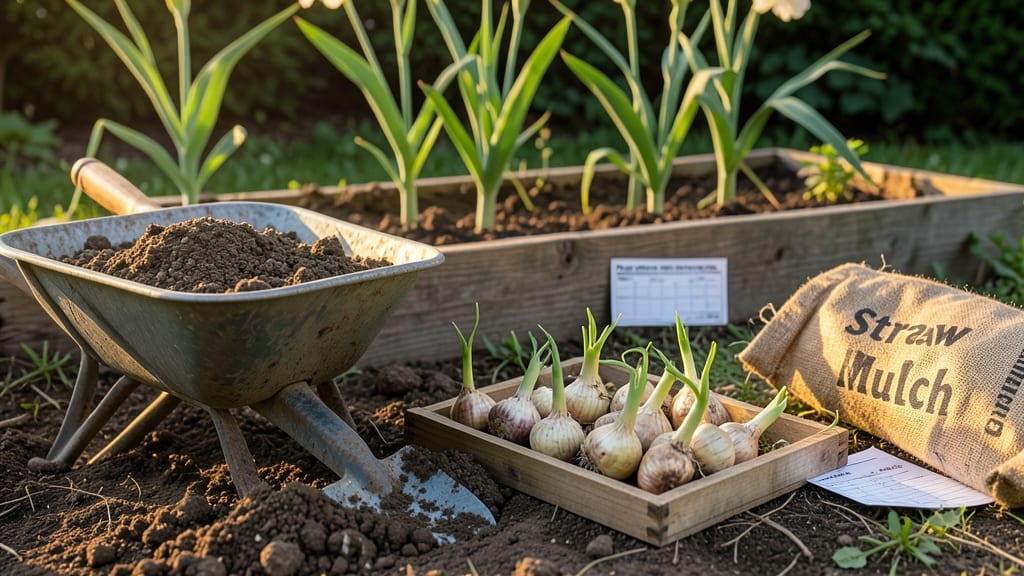
Timing your Gladiolus bulbs planting in Connecticut is the secret to those showstopping 🌸 blooms you’ve been dreaming of—because getting it wrong means either rotten bulbs or missed summer color.
With CT’s 5b-6b zone and unpredictable frost dates, most gardeners either plant too early (and lose their investment) or too late (and sacrifice peak blooms).
The key to success? Waiting until the soil warms to at least 55°F—usually mid-to-late spring—when the last frost has passed and the ground is workable.
This might mean holding off until May in some years, but trust me, your Gladiolus will thank you with taller, healthier stems and more vibrant flowers.
In this guide, I’ll break down the exact planting window for CT, including soil temperature tricks to avoid frost damage, and how to adjust for your specific microclimate—whether you’re in coastal New Haven or inland Hartford. No more guesswork, just zero-frost survival for your bulbs.
Ready to transform your garden into a summer-long floral display? Let’s get those Gladiolus in the ground the right way—once, and for good.
Optimal gladiolus planting dates in Connecticut (soil temp guide)
Gladiolus bulbs thrive in Connecticut’s USDA Zones 5b-6b, but timing is everything. The last frost date in CT typically lands between mid-April and early May, but soil temperature is the real game-changer.
Your gladiolus won’t sprout until the ground reaches a steady 55°F+, which can lag behind frost-free dates by 2-3 weeks.
Coastal areas like New London or Stamford may warm up faster, while inland spots like Hartford or Litchfield often play catch-up. This delay is why waiting for soil warmth (not just air temperature) is critical—planting too soon risks rotten bulbs from lingering cold.
| Timing Factor | CT-Specific Guideline | Action Step |
|---|---|---|
| Last Frost Date | Mid-April to early May | Check local frost calendars (e.g., CT Agricultural Experiment Station) |
| Soil Temperature | 55°F+ (consistent) | Use a soil thermometer—plant when temps hold for 3+ days |
| Optimal Planting Window | Late April to mid-May | Stagger plantings every 2 weeks for extended blooms |
| Coastal Adjustment | 1-2 weeks earlier | Plant early May in New Haven or Groton |
| Inland Delay | Wait until mid-May | Avoid Hartford or Torrington’s late frosts |
For peak summer color, aim to plant your gladiolus bulbs by early June at the latest.
While they’ll still grow, blooms may arrive too late for full enjoyment. Pro tip: Use black plastic mulch to warm soil faster—this can shave off 10-14 days of waiting time in chilly CT springs.
If you’re container gardening, start bulbs indoors in late March under grow lights. Transplant outdoors only after your last frost date and when nighttime temps stay above 50°F. Containers heat up faster than ground soil, so this method buys you 2-3 weeks of flexibility.
Never plant gladiolus bulbs before April 15th in most of CT—even if the ground looks dry. Cold soil + moist bulbs = rot. Test your soil’s readiness by pressing your finger 4 inches deep; if it’s still chilly to the touch, wait another week.
For second-year blooms, leave corms in the ground in CT’s mild winters (Zone 6b). Mulch heavily with straw or leaves to protect them from freeze-thaw cycles. Dig them up only if your winter dips below 10°F for extended periods.
Remember: Gladiolus are summer’s showstoppers, but they demand patience. Rushing the process in CT’s unpredictable climate is the fastest way to wasted bulbs. When in doubt, wait for the soil—your blooms will thank you with bold, vibrant spikes from July through September. 🌸
How to extend your gladiolus season in CT without risking frost damage
Connecticut’s late springs mean your gladiolus bulbs face real frost risks if planted too early. The key to success? Staggered planting and protective strategies tailored to CT’s USDA Zone 5-6 climate.
Even if you miss the ideal window, these methods can buy you 4-6 extra weeks of bloom time without sacrificing your bulbs.
Start by hardening your bulbs—place them in a cool, dark spot (like a garage) for 1-2 weeks before planting. This mimics CT’s chilly soil temperatures and reduces shock. For coastal areas (like New Haven), where frost arrives later, you can plant 2-3 weeks earlier than inland regions like Hartford.
Here’s my proven 3-step frost-proofing system for CT gardeners: mulch with black plastic (raises soil temp by 5-10°F), use straw mulch for organic insulation, or opt for container growing with heat-absorbing materials like dark-colored pots. Containers also let you move plants indoors if frost threatens.
- 📅 Stagger Planting: Divide bulbs into 3 groups—plant first batch when soil hits 55°F, then every 2 weeks until June 1.
- 🛡️ Mulch Smart: Use black plastic for early planting (warms soil faster) or straw for organic protection.
- 🏺 Container Hacks: Plant in dark pots (absorbs heat) and move to garage if frost forecasted.
For late bloomers, try succession planting—bury a few extra bulbs in late May or early June. While they won’t bloom as large, they’ll still produce 3-4 inch spikes by early fall. Just ensure they get full sun and well-draining soil to prevent rot in CT’s humid summers.
Pro tip: Mark your calendar for June 15—this is my "last chance" deadline for CT gardeners. After this, new bulbs won’t have enough time to establish roots before fall frost. But with these tricks, you can push your blooms into late September or even October!
Remember, gladiolus bulbs are not perennial in CT’s climate—they’ll die back after frost. But by using these methods, you’ll maximize their first-year performance and get stunning cut flowers for your home or market. The secret? Balance speed (warm soil) with safety (frost protection).