
Plants
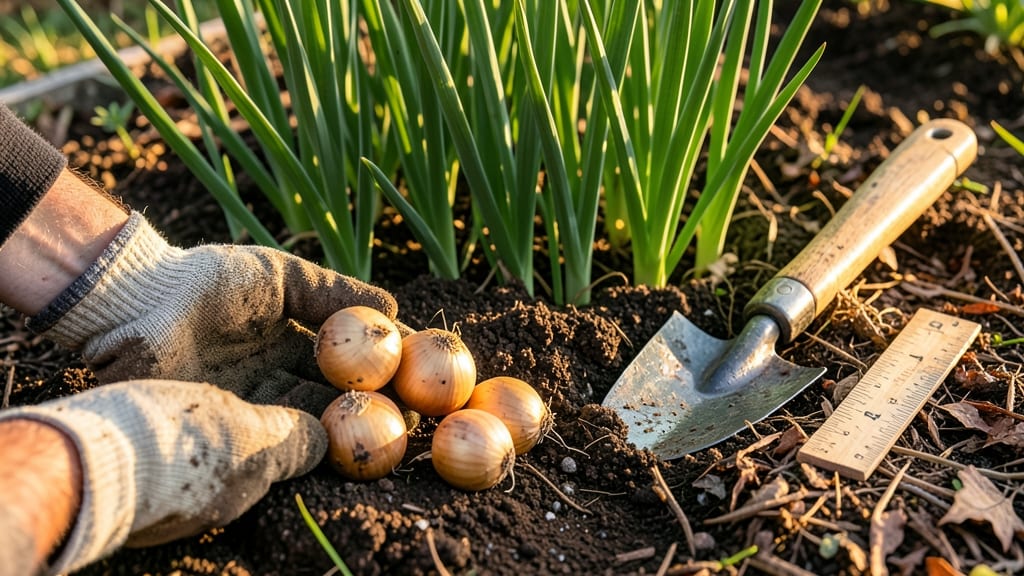
Timing when to plant gladiolus bulbs in NC just right is the secret to those showstopping summer blooms that make neighbors stop and stare. Skip the guesswork and plant your 🌸 bulbs during the ideal March-April window—or risk frost zapping your dreams before they even sprout.
Here’s the deal: NC’s 7a-8b zones give you two chances to plant—spring or fall—but getting it wrong means wilting flowers instead of vibrant spikes. I’ll break down exactly when to pop those bulbs in the ground, plus how to prep your soil for maximum drama.
Whether you’re in the Piedmont’s rolling hills or the coast’s milder microclimate, we’re talking frost-free timing that turns your garden into a 5-foot-tall rainbow by July. Let’s make sure your Gladiolus steals the show—no frostbite required.
Ready to skip the trial-and-error? I’ll walk you through the exact steps to plant your bulbs so they burst into color like clockwork—no gardening degree needed. Your summer garden’s about to get an upgrade.
Best planting months for gladiolus bulbs in north Carolina’s climate zones
North Carolina’s diverse climate zones—from the coastal plains to the mountains—create unique planting windows for gladiolus bulbs. In USDA zones 6b-7a (like Asheville), aim for late March to early April to avoid late frosts, while zone 8a (Raleigh, Charlotte) gardeners can start as early as mid-February.
The key is planting 6-8 weeks before your last frost date, ensuring bulbs establish roots before summer heat arrives.
Fall planting is also ideal for late-summer blooms: August to early September in most zones. This timing lets gladiolus grow roots before winter dormancy.
Coastal areas (like Wilmington) can extend fall planting to mid-September thanks to milder winters, while mountain regions (like Boone) should finish by late August to avoid early frosts.
Gladiolus bulbs thrive when soil temperatures reach 60°F (15°C). In NC, this typically occurs in early April for spring planting. Use a soil thermometer to confirm—planting too early in cold soil can stunt root growth. For fall, wait until soil cools to 55°F (13°C) to prevent premature sprouting.
Here’s how NC’s microclimates affect timing:
| Climate Zone | Last Frost Date | Spring Planting Window | Fall Planting Window | Soil Temp Goal |
|---|---|---|---|---|
| Coastal (Zone 8a) | Feb 15–Mar 1 | Mid-Feb to Mar 15 | Aug 15–Sep 15 | 60°F (15°C) |
| Piedmont (Zone 7b) | Mar 15–Apr 1 | Late Mar–Apr 15 | Aug 1–Sep 1 | 60°F (15°C) |
| Mountains (Zone 6b) | Apr 15–May 1 | Late Apr–May 1 | Jul 15–Aug 15 | 60°F (15°C) |
Pro tip: Check your local NC State Climate Office for 30-day forecasts before planting. A sudden cold snap in April can delay growth, while warm spells in October might encourage early sprouting. Adjust your timeline by 1-2 weeks if needed—gladiolus are forgiving but prefer consistency.
For container gardening, start bulbs indoors 4-6 weeks before your outdoor planting window. Use well-draining pots and place them in a sunny spot (like a south-facing porch) to harden off plants. This extends your growing season by 2-3 weeks, especially helpful in cooler mountain zones.
Gladiolus bulbs need 6+ hours of sunlight daily, but NC’s summer heat can stress them. In zone 8a, provide afternoon shade (like a lattice trellis) to prevent wilting. Mulch with 2-3 inches of straw to retain moisture and regulate soil temps—critical in drought-prone Piedmont regions.
Remember: Gladiolus are tender perennials in NC. Dig up and store bulbs after the first frost (typically November 15) to replant next season. Label your bulbs by variety—some, like 'Romeo' or 'Green Star', bloom earlier than others, giving you extended summer color.
🌸
Best planting months for gladiolus bulbs in north Carolina’s climate zones
North Carolina’s diverse climate—from the coastal plains to the mountain regions—means gladiolus bulbs thrive best when planted at the right time. The key is avoiding late spring frosts (common in Zone 7a) while ensuring soil warms enough for root growth.
Most NC gardeners aim for late March to early April for spring blooms, but fall planting in August-September also works for extended color.
Your USDA Zone dictates exact timing. For example, Asheville (Zone 7b) can plant 2-3 weeks later than Wilmington (Zone 8a), where soil heats faster. Always check your last frost date—planting too early risks bulb rot from cold, wet soil.
Pro Tip: Use a soil thermometer to confirm 60°F+ soil temps before planting. Gladiolus corms need warmth to sprout consistently.
| NC Region | USDA Zone | Last Frost Date | Best Planting Window | Soil Temp Goal |
|---|---|---|---|---|
| Coastal Plains (Wilmington) | 8a | March 1 | Late Feb–Early Apr | 60°F+ |
| Piedmont (Raleigh) | 7b | March 15 | Early Mar–Mid Apr | 60°F+ |
| Mountains (Asheville) | 7a | April 1 | Mid Apr–Early May | 65°F+ |
| Fall Planting (All Regions) | 7a-8a | N/A | Aug–Early Sept | 70°F+ |
For fall planting, aim to get bulbs in the ground 6-8 weeks before your first frost. This gives roots time to establish before winter dormancy. In Zone 7a, that’s typically by September 15, while Zone 8a can extend to early October.
If you’re unsure about your exact last frost date, use the NC State Climate Office’s frost maps or ask local garden centers. They’ll know if your microclimate runs 1-2 weeks earlier than the average.
Remember: Gladiolus bulbs are not winter-hardy in NC. Even in Zone 8a, they’ll die back in cold snaps. Dig up and store corms after first frost for next year’s blooms.