
Plants
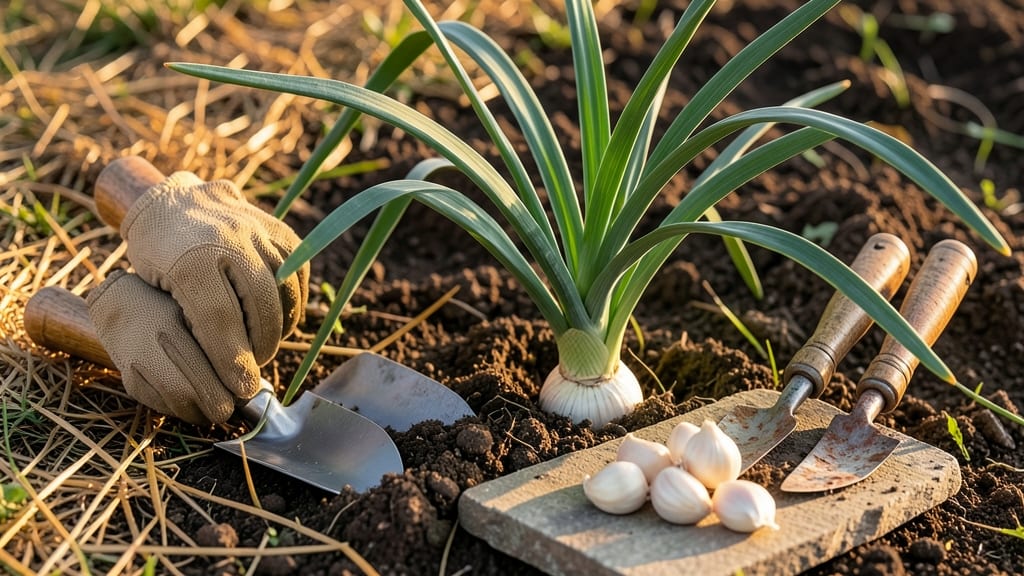
Timing garlic planting in North Carolina can make or break your harvest—get it wrong, and you might end up with weak bulbs or even rot. The ideal window for planting 🧄 in zones 7a-8b is between October and November, when soil temperatures drop but before the first hard frost.
Why does this matter? Garlic needs cold exposure to form strong roots, but planting too late risks stunted growth. In North Carolina’s variable climate, coastal areas and mountain regions have slightly different frost dates—so knowing your microclimate is key.
I’ll walk you through the exact steps to prepare your soil, choose the right varieties, and avoid common mistakes that trip up even experienced gardeners. Whether you’re a beginner or a seasoned grower, these tips will help you grow plump, flavorful garlic come harvest time.
Ready to set your garden up for success? Let’s dive into the best practices for planting garlic in North Carolina’s fall season.
Best fall planting window for garlic in North Carolina’s climate zones
North Carolina’s diverse climate—from the Coastal Plain to the Mountains—means garlic planting dates vary by USDA zone. Most gardeners in Zone 7a-8a should plant garlic in late October to early November, but timing shifts slightly based on your region’s first frost date and soil temperature.
Garlic needs 4-6 weeks of cool soil before winter dormancy to form strong bulbs. In Zone 7a (Western NC), where frosts arrive earlier, aim for mid-October planting. Meanwhile, gardeners in Zone 8a (Coastal NC) can plant until early December due to milder winters.
Aim to plant when soil temperatures drop to 60°F or below. Use a soil thermometer to check—this ensures cloves establish roots before freezing. Hardneck varieties (like Music or Silverskin) thrive in colder zones, while softneck types (like Artichoke) suit warmer areas.
North Carolina’s microclimates add complexity. For example, the Piedmont (Zone 7b) has a 6-week window (late October to early December), while the Mountains (Zone 6a) must plant by mid-October to avoid winter kill. Coastal areas can extend planting into early December.
Adjust for early vs. late varieties. Hardneck garlic (best for colder zones) needs 90-120 days to mature, so plant it 6-8 weeks before frost. Softneck garlic (warmer zones) takes 120-150 days, allowing a slightly later start.
Missed the window? Don’t panic. You can plant garlic in early spring (February-March) for a smaller harvest, but bulbs won’t be as large. Spring-planted garlic is ideal for green garlic (harvest young shoots) rather than full bulbs.
| NC Region | USDA Zone | Ideal Planting Window | Soil Temp Threshold | Best Variety |
|---|---|---|---|---|
| Mountains | 6a | Mid-October | Below 60°F | Hardneck (Music) |
| Piedmont | 7a-7b | Late Oct - Early Nov | Below 60°F | Hardneck (Silverskin) |
| Coastal Plain | 8a | Early Nov - Early Dec | Below 65°F | Softneck (Artichoke) |
*Adjust for early/late varieties based on your harvest goals.
Check your local frost dates using the NC State Climate Office or Almanac. For example, Asheville (Zone 7a) averages its first frost on October 28, while Wilmington (Zone 8a) sees frost on November 20. Plant garlic 4-6 weeks before these dates for optimal bulb development.
Pro tip: Use straw mulch (4-6 inches) after planting to insulate cloves and prevent frost heave. This is especially critical in Zone 6a, where winters are harsher. Mulch also suppresses weeds and retains soil moisture during NC’s dry fall months.
Remember, garlic planted in September may sprout too early and rot in wet NC soils. Conversely, planting in December risks poor root establishment before winter. Stick to the October-November window for the best results.
For container gardening, use large pots (12+ inches deep) and plant in late October to mimic ground conditions. Containers warm up faster, so monitor soil temperature closely to avoid premature sprouting.
Best fall planting window for garlic in North Carolina’s climate zones
North Carolina’s diverse climate—from the Coastal Plain to the Mountains—means garlic planting dates vary by USDA zone. In zone 7a (western NC), aim for October 1-15, while zone 8b (eastern NC) can wait until November 1-15.
The goal? Plant when soil temps hit 50-60°F but before the first hard frost.
Garlic needs 4-6 weeks of cold exposure to form bulbs, so timing is critical. For example, in Asheville (zone 7a), the last frost is April 15, so planting by mid-October ensures enough cold. In Raleigh (zone 7b), wait until late October to avoid early freezes.
| Region | USDA Zone | Ideal Planting Window | Soil Temp Threshold |
|---|---|---|---|
| Mountains (Asheville) | 7a | October 1-15 | 50-60°F |
| Piedmont (Raleigh) | 7b | October 15-31 | 50-60°F |
| Coastal Plain (Wilmington) | 8b | November 1-15 | 55-65°F |
For hardneck varieties (like Music or Chesnok Red), plant early—these need more cold. Softneck varieties (like Silverskin) can go in slightly later but still need 60+ frost-free days to mature.
Pro tip: Use a soil thermometer to confirm temps. If soil is too warm, cloves may rot; if too cold, growth stalls. Aim for consistent 50-60°F for 4-6 weeks post-planting.
Adjust for microclimates: Low-lying areas freeze earlier, while south-facing slopes stay warmer. If unsure, plant test cloves in early October—if they sprout by November, you’re golden.
Remember, garlic planted too early may bolt (flower) prematurely, while late planting leads to small bulbs. Balance is key!