
Plants
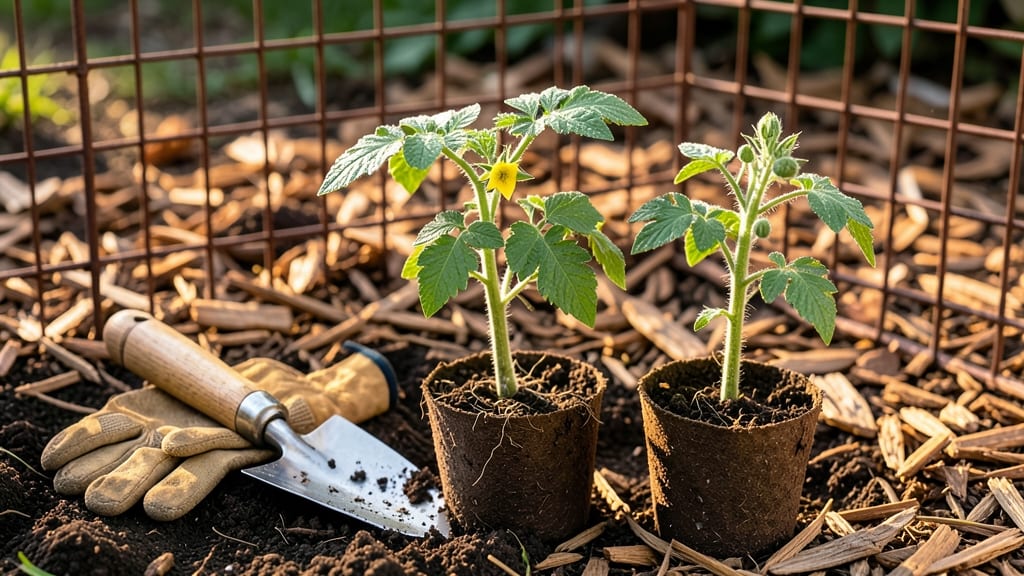
Oklahoma’s tomato planting deadlines by heat Zone: avoid early blight and frost
Oklahoma’s USDA Zones 7a-8b create a tricky balance for tomato growers—too early, and frost zaps tender seedlings; too late, and summer heat stunts growth. The key is planting when soil temperatures hit 60°F+ and nighttime lows stay above 50°F.
In most of Oklahoma, this window opens in mid-April to early May for spring planting, with a second chance in late July for fall varieties.
Your exact deadline depends on your zone: Zone 7a (northern OK) has a shorter growing season than Zone 8b (south OK), where you can push planting until mid-May.
Even within cities like Oklahoma City (Zone 7a), microclimates near lakes or urban heat islands can shift your ideal window by 1-2 weeks. Always check your local last frost date—typically March 15 in Zone 7a and April 1 in Zone 8b.
Here’s the critical timeline you can’t afford to miss:
| Zone | Spring Planting Window | Soil Temp Requirement | Fall Planting Window | Key Risk |
|---|---|---|---|---|
| 7a (Northern OK) | April 15–May 1 | 60°F+ (15.5°C+) | July 15–August 1 | Early frost or blight |
| 7b (Central OK) | April 1–May 10 | 60°F+ (15.5°C+) | July 1–August 10 | Heat stress if planted late |
| 8a (Southern OK) | March 20–May 15 | 60°F+ (15.5°C+) | July 1–August 20 | Pests (hornworms, aphids) |
| 8b (Southwest OK) | March 1–May 20 | 60°F+ (15.5°C+) | June 15–August 30 | Drought stress |
For spring planting, aim to transplant seedlings 1-2 weeks after your last frost date. Use a soil thermometer to confirm temperatures—Oklahoma’s clay soils can stay cold long after air temperatures warm.
If you’re starting seeds indoors, begin 6-8 weeks before transplanting (so early February for Zone 7a, late January for Zone 8b).
Fall planting offers a second harvest but requires heat-tolerant varieties and careful timing. Seedlings need 4-6 weeks to mature before the first frost (typically November 15 in Zone 7a).
Plant late July to early August for Zone 7a and up to mid-August in Zone 8b. Use black plastic mulch to extend the season by 2-3 weeks and protect roots from temperature swings.
Pro tip: Oklahoma’s summer heat (often exceeding 90°F) can stress tomatoes. If planting in June or July, choose heat-resistant varieties like ‘Heatmaster’ or ‘Solar Fire’ and provide afternoon shade with shade cloth. Avoid planting when daytime highs exceed 95°F—this causes blossom drop and poor fruit set.
Missed the spring window? Don’t despair—container gardening lets you grow tomatoes in Zone 7a even if planted late. Use 5-gallon pots with moisture-retentive soil and move containers to a protected spot during overnight chills. Just remember: containers dry out faster, so water daily and fertilize every 2 weeks.
Watch for these Oklahoma-specific red flags that signal you’ve planted too early or late:
- Yellowing leaves (cold soil or frost damage)
- Stunted growth (heat stress or poor root establishment)
- Blossom end rot (calcium deficiency from inconsistent watering)
- Wilting despite watering (fungal diseases like early blight, common in Oklahoma’s humid summers
How to prepare Oklahoma soil for tomato success: pH, fertilizer, and mulch strategies
Oklahoma’s clay-heavy soils can be a double-edged sword for tomatoes—too dense for roots but rich in nutrients when amended properly. The key is balancing organic matter, pH levels, and moisture retention to create the perfect growing environment.
Start by testing your soil’s pH; tomatoes thrive in 6.0–6.8 range, and Oklahoma’s native soils often skew alkaline, which can stunt growth.
If your soil tests above 7.0, mix in sulfur or peat moss (1–2 pounds per 100 square feet) 2–3 weeks before planting. For sandy soils common in western Oklahoma, add compost or aged manure to improve water retention.
Work these amendments into the top 12 inches of soil using a broadfork or tiller to avoid compacting the clay.