
Trees
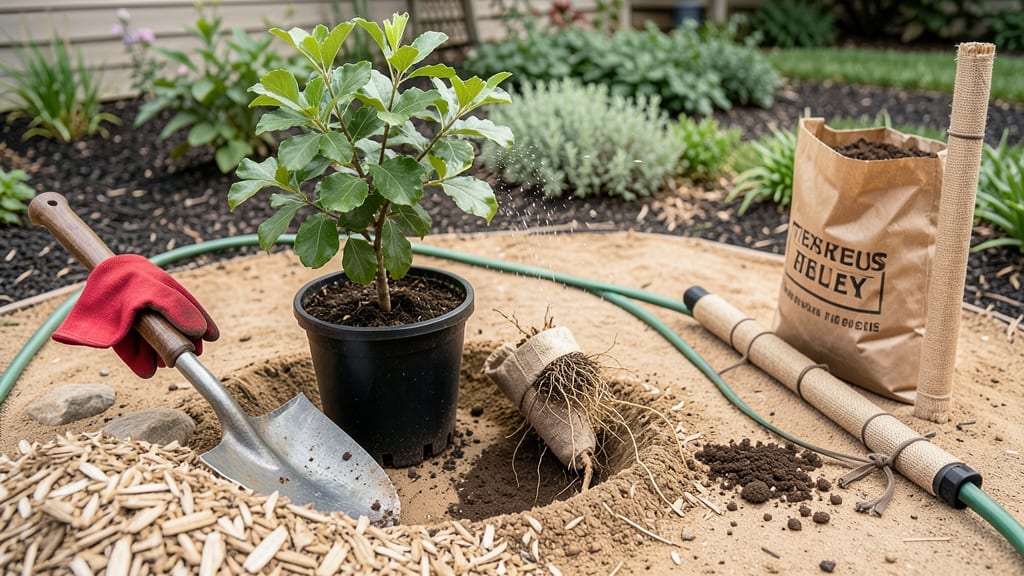
If you’ve ever watched a young 🌳 Tree wither under North Texas’ scorching sun or freeze after an unexpected frost, you know timing is everything when planting.
The best time to plant trees in North Texas isn’t just a guess—it’s a science that balances soil temperature, rainfall, and your tree’s survival instincts.
North Texas’ USDA Zone 7b-8a climate throws curveballs: brutal summers, mild winters, and unpredictable frost dates. Plant too early, and roots may dry out; too late, and saplings could face frost damage. The sweet spot? Fall (October–November) or early spring (February–March), when soil stays cool and moisture lingers.
Why does this matter? Because a tree planted at the right time isn’t just surviving—it’s thriving. You’ll learn how to read your local microclimate, pick the perfect species for your yard, and avoid costly mistakes that turn green thumbs gray.
Let’s dig into the exact windows, soil prep secrets, and post-planting care that’ll give your 🌳 Tree the strongest start possible—no guesswork, just results.
Optimal planting windows in North Texas (Zone 8a): month-by-month breakdown for root success
North Texas’ USDA Zone 8a climate—with its scorching summers and unpredictable winters—demands precision when planting trees. The ideal windows are fall (October–November) and early spring (February–March), when soil temperatures and moisture align perfectly for root establishment.
Outside these periods, trees face drought stress or frost damage, slashing survival rates by up to 50%.
Fall planting is my top recommendation for North Texas because cooler air temperatures and winter rains create ideal conditions for roots to grow without competing with above-ground foliage.
Early spring works too, but late frosts (common until mid-February) can delay growth. Summer planting? Never—the 100°F+ heat bakes soil and stresses young roots.
Soil temperature is the golden rule: Aim for 60–75°F at a 6-inch depth. In North Texas, this happens naturally in October–November and again in February–March. Use a soil thermometer to confirm—if it’s above 80°F, wait. Moisture matters too; deep watering before planting ensures roots don’t dry out during establishment.
Here’s how North Texas’ month-by-month conditions impact tree planting success:
| Month | Soil Temp (°F) | Moisture Conditions | Planting Risk | Best For |
|---|---|---|---|---|
| September | 75–85°F | Moderate (early rains) | Low (but late frosts possible) | Container-grown trees |
| October | 65–75°F | High (fall rains) | Optimal | Bare-root & container trees |
| November | 55–65°F | Moderate (winter prep) | Low (frost risk late) | Bare-root trees only |
| December–January | 40–55°F | Low (dormant season) | High (frost damage) | Avoid planting |
| February | 50–65°F | Low (early drought) | Moderate (late frosts) | Container-grown trees |
| March | 60–75°F | Moderate (spring rains) | Optimal | All tree types |
| April–August | 80–100°F+ | Very low (drought) | Extreme (heat stress) | Avoid planting |
For bare-root trees (like oaks or maples), fall is ideal—they dormant roots establish quickly in cool, moist soil. Container-grown trees (e.g., fruit trees or shade trees) can handle early spring planting, but water deeply for the first 3 months to combat North Texas’ spring drought.
Pro tip: Mulch immediately after planting with 2–4 inches of organic mulch (like pine straw or wood chips) to retain moisture and regulate soil temperature. In Zone 8a, mulch also protects roots from temperature swings between day and night, which can be 20°F+ in summer.
Timing isn’t just about months—it’s about microclimates. Trees planted in elevated areas (like hilltops) may need 2–4 weeks earlier than those in low-lying spots, where frost lingers longer. Use local frost date data
Optimal planting windows in North Texas (Zone 8a): month-by-month breakdown for root success
North Texas’ USDA Zone 8a climate demands precision when planting trees—timing directly impacts survival rates. The ideal windows are fall (October–November) and early spring (February–March), when soil temperatures and moisture align perfectly for root establishment.
Outside these periods, extreme heat or frost can stall growth or kill young trees before they take hold.
Fall planting is my top recommendation because cooler temps reduce transplant shock, and winter rains hydrate roots without evaporation. Spring planting works too, but late frosts (common until mid-February) can damage tender new growth. Summer planting? Never—the 100°F+ heat bakes soil and stresses roots.
🌳 North Texas Tree Planting Timeline
| Month | Soil Temp (°F) | Moisture | Risk | Best For |
|---|---|---|---|---|
| September | 75–85°F | Moderate | Late heat stress | Bare-root trees |
| October | 65–75°F | High (rains) | None | ⭐ Best window |
| November | 55–65°F | High | Early frost | ⭐ Best window |
| February | 50–60°F | Low | Late frost | ⭐ Best window |
| March | 60–70°F | Moderate | Drought risk | Container-grown trees |
For bare-root trees, fall is non-negotiable—they need 6–8 weeks of cool weather to establish roots before dormancy. Container-grown trees, however, can handle early spring planting (February–March) as long as you water deeply to combat spring droughts.
Pro tip: Test soil moisture before planting—dry soil in April can kill saplings faster than frost.
Species like live oaks and cedar elms thrive when planted in fall, while fruit trees (e.g., pecan, fig) prefer late winter to avoid summer heat stress. Always check the USDA hardiness zone for your specific tree—some, like Japanese maples, need extra protection from North Texas’ 100°F summers.
If you miss the fall window, wait until February—never plant in summer or late winter. The root zone must stay above 50°F for growth, and below 90°F to avoid stress. Use a soil thermometer to confirm—60–70°F is ideal for root expansion.
My golden rule: Plant when temps are cool, rains are frequent, and the ground isn’t baking. In North Texas, that’s October–November or February–March. Outside these windows, even the hardiest trees like post oaks struggle to survive.