
Planting
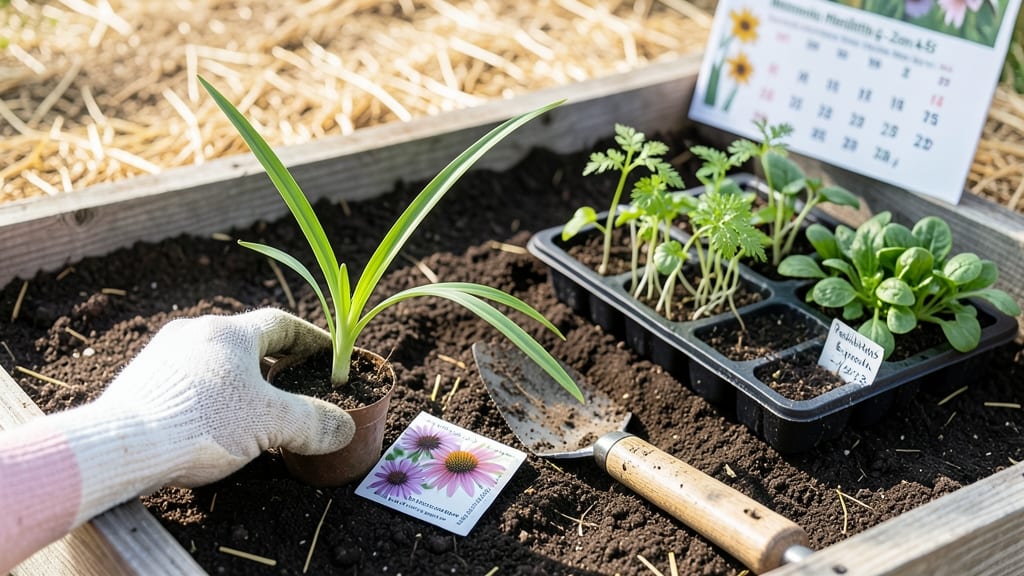
Timing your General Garden Plants 🌱 in Minnesota isn't just about luck—it's about knowing exactly when to plant to beat frost and maximize your harvest. With USDA Zone 5b/6a's unpredictable swings between 30°F and 90°F, one wrong move could mean wasted seeds or stunted growth.
I've spent years perfecting the art of Minnesota gardening, and the key is understanding your last frost date—typically around April 15—so you can start planting General Garden Plants between April 15 and May 31.
This window gives your vegetables, flowers, and perennials the 120-160 frost-free days they need to thrive.
Whether you're a seasoned gardener or just starting, this guide will walk you through the exact planting schedule for your zone. We'll cover everything from hardy cool-season crops to heat-loving vegetables, so you can enjoy a bountiful harvest from June through October.
Ready to transform your garden into a productive oasis? Let's dive into the precise planting timeline that works for Minnesota's climate—and why getting it right makes all the difference.
Minnesota frost dates by month: when to start planting vegetables
Understanding Minnesota's frost dates is the foundation of successful gardening in USDA Zone 5b/6a. The last spring frost typically arrives between May 1-15, while the first fall frost hits around September 25-October 15. These dates create a 120-160 day frost-free window—perfect for planning your planting schedule.
Northern Minnesota (Zone 4) may experience frost up to two weeks later, while southern areas (Zone 6) can sometimes push harvests until mid-October. Always check your local Almanac frost date or use the Minnesota State Climatology Office resources for precise timing in your area.
For cool-season crops like peas, lettuce, and spinach, you can start planting as early as late March to early April under protective covers. These hardy vegetables tolerate light frosts and can even improve in flavor after a light freeze.
| Month | Last Frost Date | First Frost Date | Planting Window | Best Crops |
|---|---|---|---|---|
| March | Late April | Late October | Under covers | Peas, spinach, lettuce |
| April | Mid-May | Mid-October | After last frost | Broccoli, cabbage, kale |
| May | Early June | Late September | Full sun | Tomatoes, peppers, beans |
| June-August | N/A | Late September | Succession plant | Carrots, radishes, lettuce |
Heat-loving vegetables like tomatoes, peppers, and eggplants need to wait until after the last frost, typically May 15-June 1. These plants thrive in warm soil (at least 60°F) and will struggle if planted too early. Use black plastic mulch to warm the soil faster if needed.
For fall planting, focus on cool-season crops like kale, Brussels sprouts, and radishes in late July to early August. These can often be harvested before the first frost, extending your harvest into October or November.
Always monitor soil temperatures—most seeds need soil at 50-70°F to germinate properly. Use a soil thermometer to check before planting warm-season crops.
Pro tip: Plant fast-maturing varieties (like bush beans or radishes) to maximize your harvest before frost. These can go from seed to table in as little as 30-45 days.
Keep a gardening journal to track your local frost dates and adjust future planting schedules. Minnesota's weather can be unpredictable—being flexible with your timeline will help you avoid common gardening mistakes.
Best vegetables to plant in Minnesota's short growing season
Minnesota's short growing season demands smart choices—pick vegetables that thrive in cool springs and warm summers while avoiding frost-sensitive crops. My top recommendations focus on fast-maturing varieties and hardy cool-season plants that deliver reliable harvests.
For early spring planting (March-April), prioritize cool-loving crops like peas, spinach, and lettuce. These can handle light frosts and even grow under row covers for extra protection. My favorite variety is 'Sugar Snap' peas, which mature in just 60 days.
As temperatures rise in late May-June, switch to heat-tolerant vegetables like tomatoes, peppers, and zucchini. These need full sun and warm soil (at least 60°F) to thrive. I always plant 'Early Girl' tomatoes—they ripen in 55 days, giving me an early harvest before fall frosts.
Don't overlook succession planting for summer crops like beans and cucumbers. By staggering plantings every 2-3 weeks, you extend harvests until first frost (typically mid-October). My go-to is 'Bush Blue Lake' beans, which produce for 45 days after planting.
Fall planting (August-September) is perfect for cool-season crops like kale, carrots, and radishes. These handle fall temperatures and often taste sweeter after light frosts. I swear by 'Winterbor' kale, which stays crisp until December with proper protection.
Pro tip: Use Minnesota's frost-free days (typically 120-160 days) to calculate planting windows. For example, if your last frost is May 15, plant 75-day tomatoes by April 15 to harvest before first frost.
Here’s my top 5 must-grow list for Minnesota gardens, ranked by reliability and yield:
- 🌱 Peas ('Sugar Snap') – 60 days to harvest; plant March-April for spring harvests.
- 🍅 Tomatoes ('Early Girl') – 55 days; transplant after last frost (mid-May).
- 🥕 Carrots ('Nantes') – 70 days; direct sow April-June or August for fall harvests.
- 🌿 Kale ('Winterbor') – 60 days; plant March-April or August-September for winter harvests.
- 🌻 Zucchini ('Black Beauty') – 45 days; transplant after soil warms (late May).
For first-time gardeners, start with easy-to-grow vegetables like lettuce or radishes—they forgive mistakes and produce quickly. My pro tip: Always check seed packets for days to maturity and work backward from your first frost date to plan.
Minnesota’s variable weather means flexibility is key. Keep a planting journal to track what works in your microclimate—your notes will become your garden’s secret weapon over time. Happy planting! 🌱