
Plants
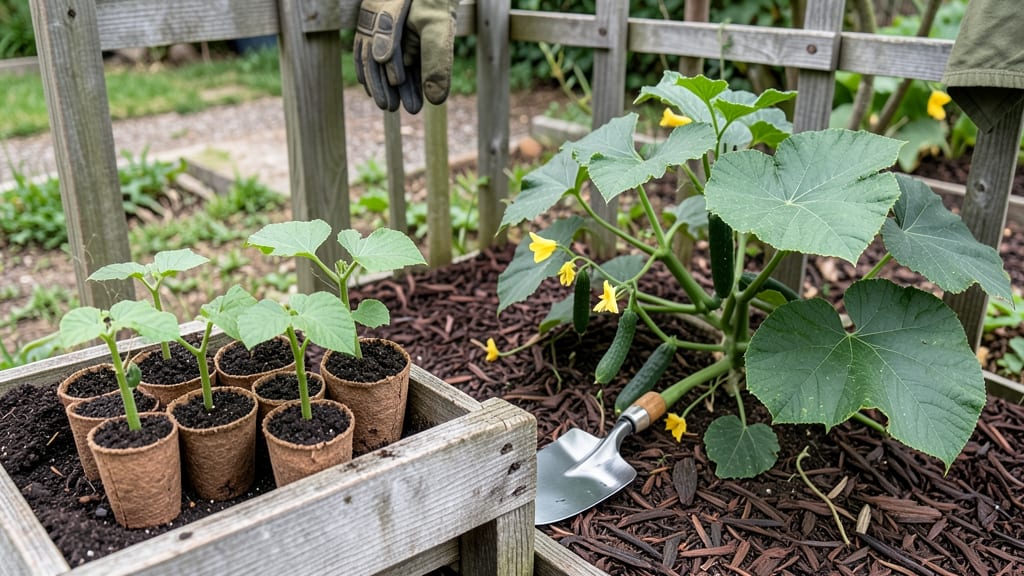
Timing your cucumber planting in Chicago can mean the difference between a bountiful summer harvest and wasted effort—especially when those late spring frosts sneak in like they always do.
The city’s USDA Zone 5B/6A means you’ve got a narrow window to get those seeds in the ground after the last frost, typically between mid-May and early June, but getting it wrong could leave you scrambling.
I’ve grown cucumbers here for years, and the key isn’t just waiting for the calendar to say “go”—it’s watching for soil temperatures to hit at least 60°F and keeping an eye on those unpredictable Chicago weather shifts.
Whether you’re planting directly in the garden or starting seeds indoors, getting the timing right ensures your 🥒 cucumbers thrive when the real summer heat arrives.
In this guide, I’ll break down the exact frost-free dates for your area, plus smart strategies to extend your growing season—like using row covers or black plastic mulch to warm the soil faster.
You’ll also learn which cucumber varieties perform best in Chicago’s climate and how to keep them producing all the way through September.
Skip the guesswork and start planting with confidence—your future crisp, homegrown cucumbers are waiting for the right moment to take root.
Chicago’s frost-free dates for cucumber planting (2024 guide)
Chicago’s USDA Zone 5B/6A means cucumbers need precise timing—plant too early, and frost will kill tender seedlings; too late, and you’ll miss the 165-day growing season.
The average last frost date hovers around May 10–20, but I’ve seen it swing from April 25 to May 25 over the past five years. Always check NOAA’s Chicago weather data or the Chicago Botanic Garden’s frost calendar for real-time updates.
Cucumbers thrive when soil temperatures hit 60°F or warmer. A soil thermometer is your best friend—cold soil slows germination and stunts growth. In my garden, I’ve had cucumbers bolt (flower prematurely) when planted in 50°F soil, so I wait until the ground warms up consistently.
For container gardening, soil heats faster, so you can plant 1–2 weeks earlier than in-ground plants.
Microclimates matter in Chicago. Urban areas like Lincoln Park or River North warm up faster due to heat islands, while south suburbs like Markham may experience frost 5–7 days later.
If you’re near Lake Michigan, wind and reflected heat can create a unique microclimate—test your spot by planting a fast-growing radish as a frost indicator.
Here’s my 2024 planting timeline based on historical data, adjusted for Chicago’s variability:
| Date Range | Risk Level (Frost Probability) | Recommended Action | Soil Temperature Target (°F) | Chicago Microclimate Adjustments |
|---|---|---|---|---|
| April 15–30 | High (30–50%) | Start seeds indoors (4–6 weeks before last frost) | N/A (indoor) | Use grow lights; harden off seedlings |
| May 1–10 | Moderate (10–20%) | Prepare beds; test soil temp | 55°F (minimum) | Add black plastic mulch to warm soil |
| May 10–20 | Low (5–10%) | Transplant seedlings or direct-sow | 60°F+ | Urban areas: plant 3–5 days earlier |
| May 20–31 | Very Low (1–5%) | Direct-sow remaining seeds | 65°F+ (ideal) | Suburbs: wait until May 25 |
| June 1+ | None | Succession plant every 2 weeks | 70°F+ | Container gardens: plant anytime |
Pro tip: Use row covers if planting before May 15—they add 2–4°F of protection and can push your harvest window earlier. I’ve had success with floating row covers (like Agribon) on ‘Straight Eight’ cucumbers, extending my season by 10–14 days. Just
For direct sowing, wait until soil temps stay above 60°F for 3+ days. I test this by placing a thermometer in the ground at 4-inch depth—that’s where cucumber roots thrive
How to extend Chicago’s short growing season for cucumbers
Chicago’s short growing season can be tough on cucumbers, but with the right strategies, you can push your harvest window from July to September—or even later.
The key is combining indoor seed starting, season extenders, and smart soil prep to give your plants a fighting chance against late frosts and early chills.
I’ve found that starting seeds 4–6 weeks before the last frost (around April 15) gives them a head start, while row covers and black plastic mulch can add critical weeks to your harvest. Let’s dive into the best methods to maximize your cucumber yield in Chicago’s unpredictable climate.
Indoor Seed Starting
- Head start on growth
- Hardier seedlings
- Controlled environment
- Requires grow lights
- Transplant shock risk
- Limited space
Row Covers
- Protects from late frost
- Extends harvest window
- Pest deterrent
- Reduces airflow
- Can overheat plants
- Requires removal during pollination
For indoor seed starting, use grow lights to mimic 12–14 hours of sunlight daily. Once seedlings have 2–3 true leaves, harden them off for a week before transplanting after the last frost. I’ve had the most success with ‘Straight Eight’ and ‘Marketmore 76’ varieties when started indoors.
If you’re planting directly in the garden, black plastic mulch is a game-changer. It warms the soil 5–10°F faster than bare earth, helping cucumbers thrive earlier. Pair it with row covers for an extra layer of frost protection, but
Another trick? Plant fast-growing companions like radishes or lettuce alongside your cucumbers. They’ll mark the soil temperature and mature quickly, giving you an early warning if the season is running late. By combining these methods, you can turn Chicago’s short summer into a cucumber lover’s paradise.
Don’t forget to monitor soil temperatures—cucumbers need at least 60°F to germinate. Use a soil thermometer to avoid planting too early, and always have row covers on hand for those unpredictable May frosts. With the right approach, you’ll be harvesting crisp, homegrown cucumbers all season long. 🌱