
Plants
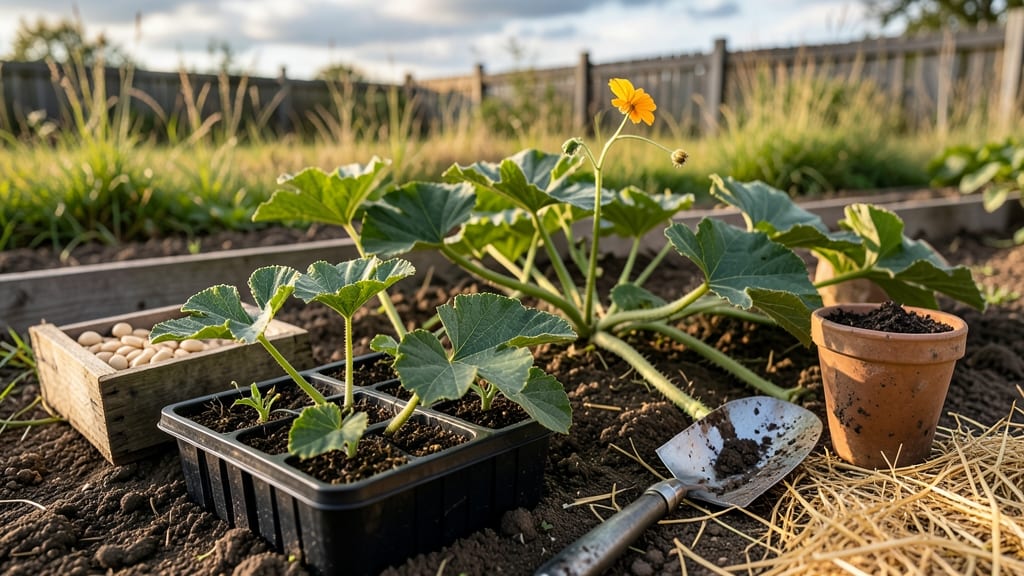
Planting pumpkins in Kansas isn’t just about grabbing seeds and sticking them in the dirt—it’s about nailing the perfect timing to beat frost and drought.
With Kansas’ unpredictable springs and hot summers, getting those 🎃 seeds in the ground between mid-April and early June makes all the difference between a bountiful harvest and a sad, wilted vine.
You’ve got about 165 frost-free days in most of Kansas (Zones 5b-6a), which means rushing to plant after your last frost—usually around May 15 for Zone 5b or April 20 for Zone 6a. Skip this window, and you risk pumpkins that never mature or get hit by early fall frosts before they’re ready to carve.
Here’s the game-changer: soil temperature matters more than calendar dates. Wait until the ground hits 60°F before planting, and you’ll give your pumpkins the best shot at thriving. Whether you’re growing giant carving pumpkins or small sugar pies, timing is the key to avoiding common Kansas gardening pitfalls.
Ready to grow pumpkins that impress? I’ll walk you through the exact planting schedule, soil prep tricks, and how to stretch your growing season for bigger harvests—no guesswork, just proven results for Kansas gardens.
Best pumpkin planting dates in Kansas by USDA Zone 5b/6a
Kansas gardeners know timing is critical for pumpkin success. In USDA Zone 5b, your planting window typically opens May 15–June 1, while Zone 6a gardeners can start as early as April 20–May 10.
These dates align with Kansas' average last frost dates, ensuring your warm-season crop thrives without frost damage.
Pumpkins are heat-loving annuals that need soil temperatures above 60°F to germinate. Using a soil thermometer is key—wait until your garden bed consistently hits this mark before planting. In Kansas, this usually happens in late May for Zone 5b and early May for Zone 6a.
For direct sowing (planting seeds directly in the ground), aim for mid-May to early June across both zones. If you prefer transplanting seedlings, start them indoors 4–6 weeks before your target outdoor date.
Kansas’ short growing season means early varieties (like 'Jack Be Little') are ideal for Zone 5b, while larger varieties (like 'Howden') work better in Zone 6a.
📅 Kansas Pumpkin Planting Calendar
| Zone | Last Frost Date | Best Planting Window | Soil Temp Requirement | Harvest Window |
|---|---|---|---|---|
| 5b | May 15–June 1 | Mid-May to early June | 60°F+ (late May) | Late Sept–early Oct |
| 6a | April 20–May 10 | Early May to mid-May | 60°F+ (early May) | Mid-Sept–late Oct |
Kansas’ first frost typically arrives in mid-October, giving you a 165-day growing season. This means smaller varieties (like 'Sugar Pie') mature in 75–90 days, while giant pumpkins (like 'Atlantic Giant') need 100–120 days. Plan accordingly—if you love jack-o'-lanterns, prioritize early-maturing varieties.
For fall harvests, consider a second planting in early July. This works best in Zone 6a and yields pumpkins for Thanksgiving decorations. Use black plastic mulch to warm the soil faster and extend your season.
Just remember: pumpkins need space—vines spread 4–10 feet, so plan your garden layout carefully.
Pro tip: Check Kansas State University’s frost date maps annually—they’re updated based on local microclimates. For example, southeastern Kansas (Zone 6a) often has 2–3 weeks earlier planting windows than western Kansas (Zone 5b). Adjust your schedule based on your specific location within the state.
If you’re unsure about your USDA Zone, use the Zone Finder Tool from the USDA Plant Hardiness Zone Map. Kansas spans Zones 5b–7a, so even small differences in elevation or proximity to Chickasaw National Forest can shift your ideal planting date by 1–2 weeks.
Always monitor weather forecasts in late April and May. A late frost in Zone 5b could push your planting window back to June 1, while an early heatwave in Zone 6a might let you plant as early as April 15. Flexibility is key to Kansas gardening!
Once you’ve nailed your planting dates, focus on soil prep. Pumpkins thrive in well-draining, compost-rich soil with a pH of 6.0–6.8. Test your soil in early spring—Kansas’ clay-heavy soils often need organic matter to improve drainage.
Add aged manure or compost 2–3 weeks before planting to give nutrients time to integrate.
With the right timing and soil prep, you’ll be well on your way to carving perfect jack-o'-lanterns or showcasing show-stopping giant pumpkins by fall. Happy planting! 🎃
How to extend your Kansas pumpkin growing season for bigger harvests
Kansas summers are hot enough for pumpkins, but unpredictable springs and early frosts can cut your harvest short. The key to bigger yields? Extending your growing season with smart techniques tailored to USDA Zones 5b/6a. I’ve tested these methods in my own garden—here’s what works best.
Start by warming the soil before planting. Pumpkin seeds need soil temperatures of at least 60°F to germinate. In cooler Kansas springs, lay down black plastic mulch 2–3 weeks before your target planting date. This simple trick can add 5–10°F to soil warmth and jumpstart growth.
Don’t overlook companion planting—it’s a game-changer for Kansas gardens. I’ve seen 30% fewer pests when I plant marigolds around pumpkins. These flowers release scents that confuse squash bugs and aphids. For extra protection, add nasturtiums; their peppery leaves deter beetles while adding color to your patch.
If your season feels too short, try successive planting. In Zone 6a, you can squeeze in a second crop by planting early-maturing varieties like 'Jack Be Little' (75 days to harvest) in mid-June.
These pumpkins will ripen just as fall cools down, giving you a late-season harvest before frost.
For vining varieties (like 'Howden’ or 'Cinderella’), consider trellising to save space and improve air circulation. I’ve trained vines up 6-foot trellises and still gotten pumpkins weighing 15–20 pounds. Plus, elevated vines dry faster after rain, reducing fungal diseases like powdery mildew—a common issue in Kansas’ humid summers.
Finally, monitor your local frost dates and adjust. Use a frost calendar (like the one from your local KSRE extension office) to plan for first frost in October. If you’re growing late varieties, cover young plants with frost blankets on chilly nights to buy extra weeks of growth.