
Planting
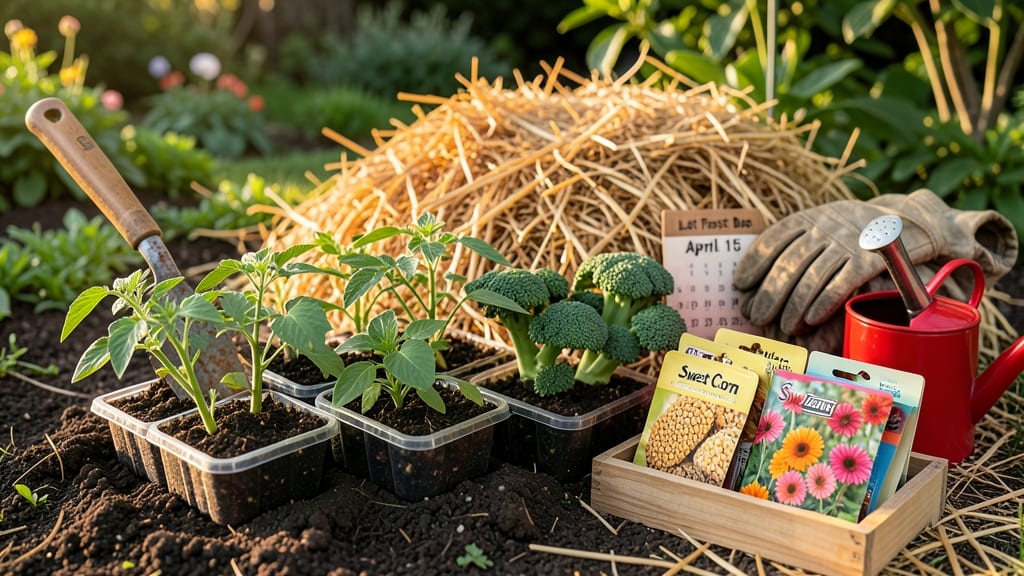
Timing your Garden in Kentucky isn't just about avoiding frost—it's about unlocking the full potential of your plants in USDA Zones 6a and 7a. The Bluegrass State's unpredictable weather means one wrong move could leave your seedlings wilting before they even get a chance to thrive.
I've spent years perfecting the art of Kentucky gardening, and what I've learned could make all the difference between a mediocre harvest and a bountiful one.
Whether you're planting cool-season greens in early spring or heat-loving tomatoes in summer, knowing when to put that first seed in the ground is everything.
Let me show you exactly when to start planting your 🌱 Garden for maximum success, from the earliest frost dates to the perfect fall planting windows. We'll cover how to read Kentucky's unique microclimates and adjust your schedule accordingly.
By the end, you'll have a clear timeline that accounts for Louisville's urban heat islands, Lexington's rolling hills, and rural areas with their own weather quirks. Ready to transform your gardening game? Let's get started.
Kentucky planting calendar by month: frost dates, last spring freeze, and first fall frost
Kentucky’s USDA Zones 6a and 7a mean your planting schedule hinges on average frost dates, which vary by region. Louisville typically sees its last spring freeze around April 15, while Lexington averages April 20.
Rural areas in Eastern Kentucky may experience frost 2-3 weeks later due to higher elevations.
For warm-season crops like tomatoes and peppers, wait until soil temperatures reach 60°F—usually mid-May in most areas. Cool-season crops like lettuce and spinach, however, can handle light frosts and should be sown 4-6 weeks before your last frost date for a spring harvest.
Fall planting is equally critical. The first fall frost in Kentucky typically arrives October 30-November 15, depending on location. Plant cool-season crops like kale and broccoli by mid-August to ensure a harvest before winter sets in.
Here’s a quick reference for Kentucky’s frost-free growing season, which ranges from 150-200 days across the state. Louisville enjoys about 180 frost-free days, while Eastern Kentucky’s shorter season (150-160 days) demands earlier starts and faster-maturing varieties.
| Month | Cool-Season Crops (Plant) | Warm-Season Crops (Plant) | Average Frost Dates |
|---|---|---|---|
| March | Peas, spinach, lettuce (start indoors) | None (too early) | Last frost: Mid-April |
| April | Carrots, radishes, onions (outdoors) | Tomato/pepper seeds indoors | Last frost: Late April |
| May | Broccoli, cabbage (transplant) | Tomatoes, peppers (outdoors after May 15) | First frost: Late Oct |
| August | Kale, spinach, lettuce (fall crop) | None (too late) | First frost: Early Nov |
| September | Brussels sprouts, turnips | None (too late) | First frost: Mid-Nov |
Pro tip: Use row covers to extend your spring planting window by 2-3 weeks. For example, you can plant cabbage in early April under a cover and remove it once temperatures stabilize. This trick works especially well in Eastern Kentucky’s shorter growing season.
For warm-season crops, always check soil temperature with a thermometer—60°F+ is non-negotiable for tomatoes and peppers. In Louisville and Lexington, this usually aligns with mid-to-late May, but rural areas may need to wait until early June.
Fall planting is your secret weapon for a second harvest. Start broccoli and cabbage in late July to ensure they mature before October’s first frost. In Western Kentucky, where summers are hotter, you might push this to early August.
Remember: Kentucky’s humidity and summer heat can stress plants, so always water deeply in the morning and mulch heavily to retain moisture. A well-timed garden aligns with nature—not against it.
🌱
How to adjust planting times for Kentucky’s microclimates and soil conditions
Kentucky’s diverse geography means your planting schedule should adapt to local conditions. Urban gardens in Louisville often experience earlier last frosts than rural areas in Eastern Kentucky, where high elevations can delay spring warmth by 2-3 weeks.
Even within the same county, soil type—whether clay-heavy or loamy—affects how quickly soil warms in spring or retains moisture in fall.
Microclimates also play a role. South-facing slopes warm faster than shaded valleys, allowing you to plant warm-season crops like tomatoes 1-2 weeks earlier. Conversely, low-lying areas may hold frost longer, risking damage to tender seedlings.
Always check your specific last spring freeze date (typically April 15-May 1 in most of Kentucky) and first fall frost (usually October 15-November 1) for your exact location.
🌱 Adjusting for Microclimates & Soil
DO:
- Plant heat-loving crops (peppers, eggplants) 1-2 weeks later in high-altitude areas
- Use row covers to extend spring planting by 3-4 weeks
- Test soil pH (ideal: 6.0-7.0) before planting
- Mulch heavy clay soil to improve drainage
DON'T:
- Plant cool-season crops (lettuce, spinach) too early in urban heat islands
- Skip soil amendments for sandy soil (add compost)
- Ignore microclimate frost pockets (check local weather)
- Overcrowd plants in clay-heavy soil (roots suffocate)
For soil-specific adjustments, amend clay soil with compost or sand to improve drainage, while sandy soil benefits from organic matter to retain moisture. Loamy soil (Kentucky’s gold standard) requires minimal prep but still needs a 2-3 inch layer of compost before planting.
If your garden sits in a low spot, consider raised beds to warm soil faster in spring.
Succession planting is your best friend in Kentucky’s short growing season. Instead of planting all your lettuce or radishes at once, stagger plantings every 2 weeks from mid-April to early June to ensure a continuous harvest. This strategy also helps avoid bolting (when greens flower prematurely) caused by sudden heat waves.
Extending seasons with row covers or cold frames can push your planting windows by 4-6 weeks. Use them to start spinach or kale as early as mid-March or protect tomatoes and peppers until mid-May. Just Finally, monitor local weather trends—not just averages.
Tools like the Kentucky Mesonet or local Cooperative Extension offices provide hyper-local frost data. In my own garden, I’ve learned that Lexington’s urban heat island lets me plant cucumbers 10 days earlier than my rural neighbors, while Eastern Kentucky’s higher elevations often require waiting until mid-May for peppers to thrive.
🌿