Plants
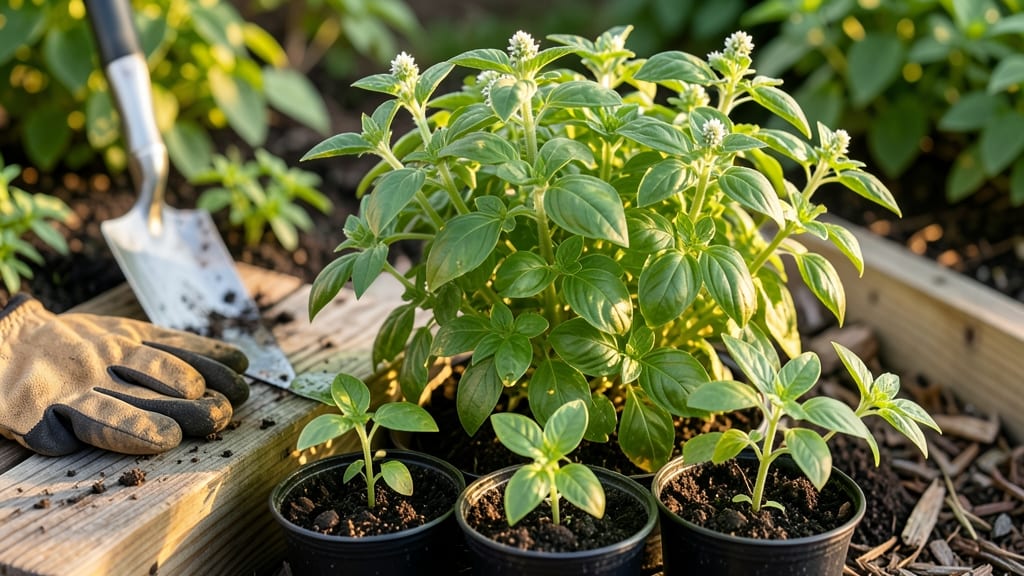
Timing your basil planting in Colorado can make or break your herb garden—get it wrong, and you’ll either lose plants to frost or watch them wilt in summer’s heat. Colorado’s USDA Zones 5b/6a demand precision, but with the right approach, you can enjoy fresh 🌿 basil from June through September.
Most Colorado gardeners wait until after the last frost—typically late April to early May—when soil temperatures hit at least 50°F. But don’t rush: planting too soon in chilly soil stunts growth, while waiting too long risks missing the ideal harvest window.
The key is balancing frost risk with warm-season readiness.
Whether you’re sowing seeds or transplanting starts, this guide breaks down the perfect window for your elevation, plus tips for containers and in-ground beds. We’ll also cover what to do if timing slips—because even the best-laid plans can go sideways in Colorado’s unpredictable weather.
Ready to grow basil that thrives? Let’s dive into the exact steps to nail your planting schedule, from soil prep to harvest-ready plants in just 45 days.
Colorado’s ideal basil planting window: avoiding frost and heat risks
Colorado’s high-altitude climate and variable frost dates make timing critical for basil success. Unlike heat-loving herbs, basil bolts (goes to seed) when stressed by temperatures above 90°F or late-season heat waves.
In USDA Zones 5b/6a, your window is tight—typically late April to early May—but elevation shifts this dramatically.
Denver’s average last frost date is April 15, while Colorado Springs sees frost until April 22. Higher elevations (like Fort Collins) can delay planting until May 1.
Always check your local frost-free date using the Colorado State University Extension maps or plant when soil temps hit 55°F+.
Here’s the critical balance: Plant too early, and a late frost will kill seedlings. Plant too late, and summer’s intense sun (especially at 6,000+ feet elevation) causes bolting. The sweet spot? After May 10 in most areas, when nights stay above 40°F consistently.
Pro Tip: Use row covers or cold frames to extend your window by 2–3 weeks if needed. These protect seedlings from late spring frosts while letting them harden off for transplanting.
⚠️ Warning: Colorado’s diurnal temperature swings (cool nights, hot days) stress basil. Choose compact varieties like ‘Genovese Compact’ or ‘Spicy Globe’, which tolerate heat better than standard types.
🌱 Colorado Basil Planting Comparison
| Location | Last Frost Date | Ideal Planting Window | Heat Risk |
|---|---|---|---|
| Denver (Zone 5b) | April 15 | May 1–15 | High after June 1 |
| Colorado Springs (Zone 6a) | April 22 | May 10–25 | Moderate after June 15 |
| Fort Collins (Zone 5a) | May 1 | May 15–30 | High after July 1 |
| Grand Junction (Zone 6b) | April 5 | April 20–May 5 | Very High after May 15 |
💡 Note: Adjust for microclimates—south-facing slopes warm faster, while valleys stay cooler longer.
For container gardening in urban areas, start seeds indoors 4–6 weeks before your last frost date. Use grow lights to simulate 14+ hours of light, as Colorado’s short spring days delay germination. Harden off seedlings by May 1 for outdoor planting.
If you miss the window, don’t despair! Succession planting works well: Sow a second batch in early July for a fall harvest. Choose heat-tolerant varieties like ‘Sweet Basil’ or ‘Lemon Basil’, which handle Colorado’s 90°F+ days better than standard types.
Always monitor soil moisture—basil wilts quickly in Colorado’s dry air. Mulch with straw or shredded leaves to retain moisture and regulate soil temperature. Avoid planting near large trees, which compete for water and create shady microclimates.
Test soil readiness with the leaf litter test: Lay a plastic bag on bare soil overnight. If condensation forms, soil is too wet; if it stays dry, it’s ready. Aim for 60–70% moisture at planting time.
Finally, remember: Basil thrives on consistency. In Colorado’s unpredictable weather, stick to your planting window, protect seedlings from late frosts, and harvest regularly to encourage bushier growth. With these tips, you’ll enjoy fresh basil from June to September—no frost or heat stress in sight!
Step-by-step basil planting calendar for Colorado gardens
Colorado’s short growing season demands precision—whether you’re starting basil from seeds or seedlings, timing each step ensures a bountiful harvest. My month-by-month guide covers direct sowing, transplanting, and container gardening adjustments for Denver’s high-altitude zones and urban balconies alike.
For direct sowing, begin indoors 6-8 weeks before your last frost date (late February to early March). Use biodegradable pots to avoid root disturbance later. Seedlings can go straight into the garden 2-3 weeks after the last frost, typically by mid-May in most Colorado regions.
🌱
Tip: Use seedling heat mats for faster germination
Tools: Biodegradable pots, grow lights
Tip: Gradually expose to outdoor temps for 1 week
Tools: Row covers, shade cloth
Tip: Wait until soil reaches 55°F+
Tools: Trowel, compost, mulch
Tip: Use fast-growing varieties like 'Genovese Compact'
Tools: Containers, raised beds
Tip: Extend season with row covers
Tools:
Urban gardeners can extend basil’s season by using 5-gallon containers—they warm up faster than soil and protect roots from Colorado’s temperature swings. Fill containers with well-draining potting mix and place them near south-facing walls to maximize sunlight.
For succession planting, sow new seeds every 2-3 weeks through July to ensure a continuous harvest. This works especially well for container gardens where space is limited. Pinch off flowers as they appear to redirect energy to leaf growth instead of seed production.
💧
Remember: Basil thrives on consistent moisture—water containers daily during Colorado’s dry summers and mulch in-ground plants to retain soil moisture. A morning watering routine prevents fungal diseases that flourish in evening dampness.