
Planting
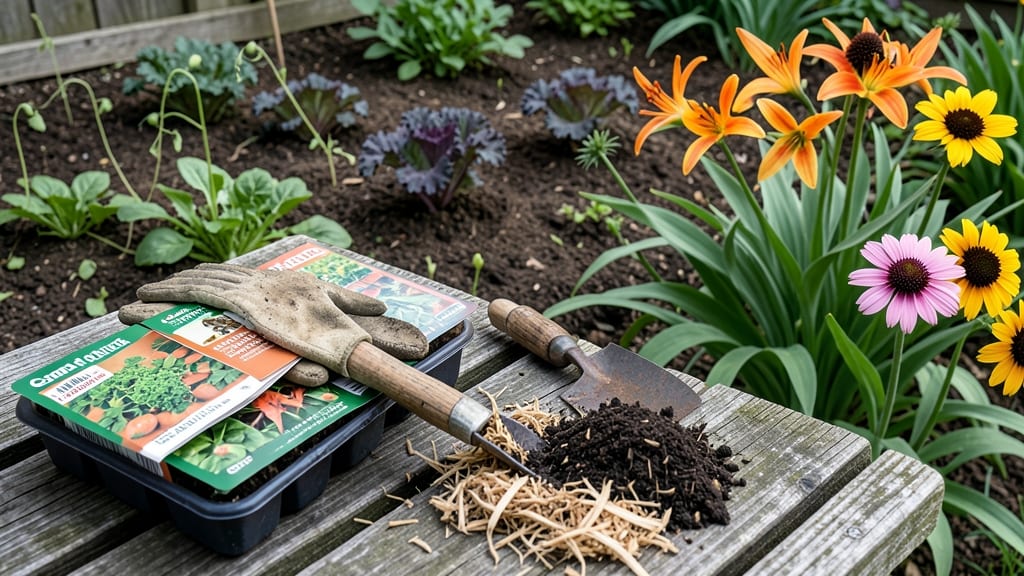
Timing your garden planting in Minnesota isn't just about luck—it's about knowing the exact window to beat frost and maximize your harvest.
With USDA Zones 4b and 5a, gardeners face a short but productive growing season, and planting too early or late can mean the difference between a thriving 🌱 patch and wilted dreams.
I've spent years learning the tricks to navigate Minnesota's unpredictable frosts, and the key is understanding when to start seeds indoors, when to transplant tender crops, and how to stretch your season.
Whether you're a first-time gardener or a seasoned pro, getting these dates right is the foundation of a successful garden.
Most Minnesota gardeners wait until after the last spring frost, typically around May 10-20 in most areas, but the real secret lies in adjusting for your specific microclimate.
I'll show you how to use frost dates, soil temperatures, and even moon phases to fine-tune your planting schedule for peak results.
From cold-hardy kale to heat-loving tomatoes, each plant has its own ideal timing—and I'll break down exactly when to plant them all. Let's turn those frost warnings into a gardening advantage and make your Minnesota garden the envy of the neighborhood.
Minnesota planting calendar by USDA Zones 4b/5a: key dates for frost-sensitive vs. cold-hardy crops
Minnesota’s USDA Zones 4b and 5a present unique challenges for gardeners, thanks to late spring frosts and early fall freezes. The average last spring frost typically occurs between May 10-20, while the first fall frost arrives around September 15-30, leaving gardeners with just 120-140 frost-free days.
Timing your plantings correctly means the difference between a thriving garden and a sad, frost-nipped failure.
To succeed, you’ll need to categorize plants into cold-hardy crops (like peas and spinach) that tolerate light frosts, and frost-sensitive varieties (such as tomatoes and peppers) that require warm soil.
Even experienced gardeners in Minneapolis, St. Paul, or Duluth must adjust their schedules based on microclimates—urban areas may warm up faster than rural zones. Let’s break down the essential planting windows for your Minnesota garden.
🌱📅 Key Planting Windows in Minnesota:
| Category | Planting Window | Examples | Notes |
|---|---|---|---|
| Early Spring (Cold-Hardy) | March 20 - April 15 | Peas, Spinach, Lettuce, Kale, Radishes | Start seeds indoors or direct sow when soil reaches 40°F. |
| Late Spring (Frost-Sensitive) | May 10 - June 1 | Tomatoes, Peppers, Eggplants, Basil | Wait until soil temperature is 60°F+ and nighttime temps stay above 50°F. |
| Summer (Heat Lovers) | June 15 - July 15 | Sweet Corn, Southern Peas, Okra, Cucumbers | Plant after last frost date; mulch to retain moisture. |
| Fall (Cool-Season Crops) | August 1 - September 1 | Broccoli, Cabbage, Carrots, Beets, Potatoes | Aim for 6-8 weeks before first frost for harvest. |
| Perennials & Flowers | April 15 - May 30 | Daylilies, Coneflowers, Lavender, Hardy Geraniums | Plant after soil thaws; avoid late frosts with frost cloth. |
For USDA Zone 4b (northern MN, like Duluth), shift these windows 1-2 weeks later due to colder microclimates. In Zone 5a (southern MN, like Rochester), you can plant 1 week earlier for frost-sensitive crops.
Always check the MN State University Extension’s frost date maps for localized adjustments—last year’s frost dates can vary by 10 days from the average!
Pro tip: Use biodegradable seed starters or row covers to jumpstart your spring plantings. These tools let you plant 2-3 weeks earlier by protecting seedlings from late frosts.
I’ve had great success with frost cloth over my tomato seedlings in early May, allowing me to transplant them safely by Memorial Day.
Herbs like parsley and cilantro are surprisingly cold-tolerant and can handle light frosts down to 20°F. Meanwhile, basil and dill are heat-lovers that won’t survive Minnesota’s September chill—so plan to start these from seed indoors in late winter or buy transplants after Memorial Day.
Even hardy perennials like asparagus benefit from an early spring mulch to regulate soil temperature.
Don’t forget about succession planting! In Minnesota’s short season, you can maximize yields by sowing lettuce, radishes, and bush beans every 2 weeks from May through July. This ensures a steady harvest instead of one big crop that bolts or rots.
I’ve doubled my green bean production by following this method—just mark your calendar and set reminders for each planting window.
If you’re new to Minnesota gardening, start with cold-hardy crops like kale, peas, and potatoes to build confidence. These plants are forgiving and give you time to learn the rhythms of your local climate.
Once you’ve mastered the basics, experiment with heat-loving varieties like okra or sweet potatoes using season-extending techniques we’ll cover in the next section.
For real-time updates, bookmark the MN Department of Agriculture’s frost forecast or sign up for alerts from your local Cooperative Extension
How to extend your Minnesota growing season: 5 smart techniques for earlier plantings and late harvests
Minnesota’s short 120-day growing season (USDA Zones 4b/5a) can feel like a race against time—but with the right strategies, you can add 3-4 weeks to both ends of your season. I’ve used these techniques in my own Zone 4b garden to grow tomatoes until October and spinach through early May.
The key is protecting plants from frost while maximizing warmth. Start with cold-hardy varieties like kale or peas, then layer protection methods for tender crops. Even a 5°F temperature bump can mean the difference between a thriving garden and a failed harvest.
Here are my top 5 season-extending hacks that work in Minnesota’s climate, ranked by effectiveness and ease of use:
For maximum impact, combine these methods. For example, use frost cloth + cold frame to extend fall harvests by 6 weeks. Always monitor local frost forecasts (check MN State University Extension) and adjust timing based on your microclimate—south-facing gardens stay warmer longer.
Start small with one technique this season. I recommend frost cloths first—they’re affordable ($10 for 4x6 ft) and easy to use. Even 2 extra weeks of growing can mean the difference between a few sad tomatoes and a bucketful of ripe fruit.