Planting
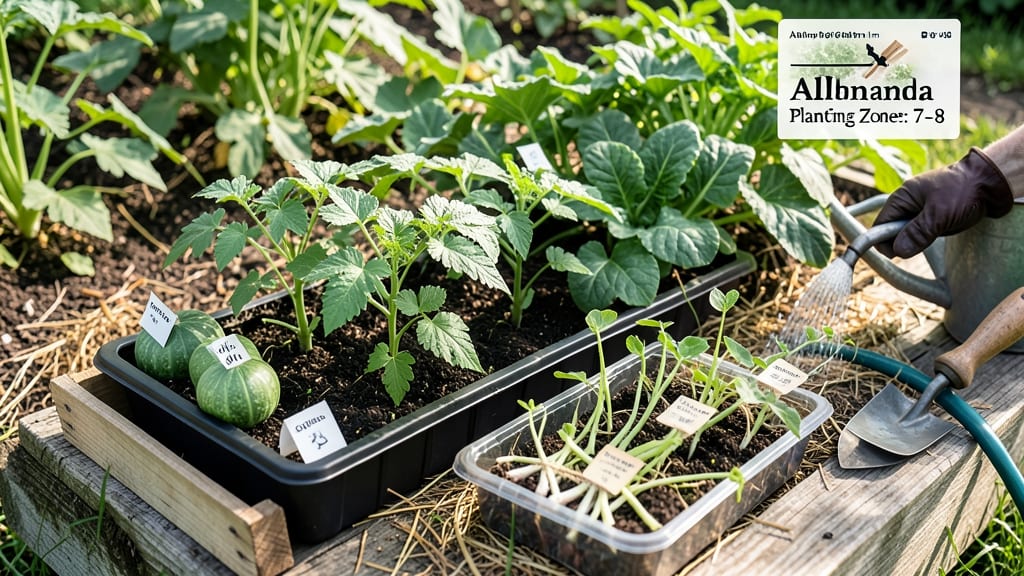
Timing your Alabama garden planting just right could mean the difference between a thriving harvest and a frustrating waste of effort. With Alabama's unique 7a-8b climate zones, knowing when to plant isn't just about following a generic calendar—it's about understanding your specific corner of the state.
Whether you're in coastal Baldwin County or the cooler hills of Marshall, the last frost date (around March 15) and first frost (typically November 15) dictate everything from when to sow cool-season crops to when to rush in warm-season plants.
Get this wrong, and you might watch your seedlings wilt or your tomatoes never ripen.
I've dug into the data from Alabama Extension to create a county-specific planting guide that accounts for these microclimates. From March's early starts to June's peak planting season, we'll cover exactly what to plant and when—so you can maximize your garden's potential without guessing.
Ready to transform your gardening from hit-or-miss to consistently perfect? Let's break down the science behind Alabama's planting windows so you can grow like a local pro.
Alabama heat zones explained: when to plant by county and plant hardiness
Alabama’s USDA hardiness zones 7a-8b create a unique gardening landscape where last frost dates can vary by 3-4 weeks between north and south. Understanding these zones helps you avoid late frost damage to tender plants while maximizing your growing season.
For example, Mobile County (Zone 8a) enjoys 200+ frost-free days, while Marshall County (Zone 7b) sees 180 days—a critical difference for warm-season crops.
Your planting timeline hinges on two key dates: the average last spring frost (typically March 15 in north Alabama, February 28 in south) and the first fall frost (usually November 15 statewide).
Coastal areas like Baldwin County often push these dates 2-3 weeks earlier, while inland regions like Jackson County may face delayed springs due to microclimates and elevation.
Cool-season crops like lettuce and peas thrive when planted 4-6 weeks before your last frost, while warm-season favorites such as tomatoes and okra need soil temperatures above 60°F—usually mid-April to early May in most zones. Here’s how to align your planting with Alabama’s heat zone realities:
| Region | USDA Zone | Last Frost | First Frost | Plant Warm-Season | Plant Cool-Season |
|---|---|---|---|---|---|
| North Alabama (Marshall, Madison) | 7a-7b | March 15-20 | November 1-15 | April 15-May 1 | February 15-March 1 |
| Central Alabama (Birmingham, Montgomery) | 7b-8a | March 1-15 | November 10-20 | March 20-April 15 | January 15-February 15 |
| South Alabama (Mobile, Baldwin) | 8a-8b | February 20-March 10 | November 5-15 | March 1-April 1 | January 1-February 10 |
For county-specific precision, check your local Alabama Extension office for 10-year frost averages, as microclimates (like valleys or urban heat islands) can shift your planting window by 1-2 weeks.
For instance, Huntsville’s elevation often means cooler nights than nearby Decatur, delaying warm-season starts by 7-10 days.
Pro tip: Use row covers to extend your cool-season growing window by 2-3 weeks in early spring or late fall. This is especially useful in Zone 7a areas where late frosts are common.
For example, I’ve successfully grown spinach in January in Madison County using floating row covers—a game-changer for early harvests!
Warm-season crops like sweet potatoes and peppers love Alabama’s heat but need consistent soil warmth. In Zone 8b, you can plant these as early as February, while Zone 7a gardeners should wait until mid-April to avoid soil temperature shocks.
Always test soil temp with a soil thermometer—aim for 60°F+ for warm-season starters.
Don’t overlook fall planting! Many Alabama gardeners miss that September-October window for cool-season crops like broccoli and kale, which thrive in mild autumn temperatures. In Mobile, you can even plant lettuce in November for holiday harvests.
Just be mindful of hurricane season—coastal gardeners should secure lightweight crops before October storms.
Remember: Alabama’s humidity and soil composition (especially in the Black Belt region) also affect planting times. Clay-heavy soils stay colder longer in spring, so consider raised beds or black plastic mulch to warm soil faster.
This trick has helped me get tomato plants in the ground 2 weeks earlier in Tuscaloosa County.
Start by identifying your
Best planting calendar for Alabama gardens: month-by-month guide
Alabama gardeners have a long growing season thanks to its mild winters and hot summers, but timing is everything. My month-by-month guide breaks down exactly what to plant each month, from cool-season crops in winter to heat-loving veggies in summer.
Whether you're in Mobile’s coastal zone or Huntsville’s cooler hills, these timelines help you avoid frost damage and maximize harvests.
Start with January and February for cool-season crops like broccoli, cabbage, and spinach. These hardy plants thrive in Alabama’s 50-60°F soil before the last frost, which typically hits mid-March in North Alabama and late March in South Alabama.
I always plant lettuce and kale in January for early spring harvests, while onions and peas go in February for a steady supply.
Here’s my month-by-month planting schedule tailored for Alabama’s diverse regions:
Plant cool-season crops like lettuce, spinach, and broccoli. Onions and peas can handle light frosts. Start indoor seedlings for tomatoes and peppers.
After the last frost date (varies by county), plant warm-season crops like tomatoes, peppers, and cucumbers. Direct-sow beans and squash in warmer southern counties.
Peak planting time! Add corn, okra, and sweet potatoes. Succession plant lettuce and radishes for continuous harvests. Herbs like basil and cilantro thrive in April’s warmth.
Focus on heat-tolerant crops like okra, southern peas, and sweet potatoes. Sow fall crops (like broccoli and carrots) in late July for September planting.
Plant cool-season crops for fall harvests. Spinach, kale, and radishes grow well before the first frost (mid-November in North Alabama). Extend seasons with row covers.
Focus on hardy greens and garlic for winter. Cover crops like clover protect soil. In South Alabama, you can still plant winter lettuce until December.
Pro tip: Use Alabama Extension’s frost date map to adjust timing for your specific county. For example, Baldwin County (coastal) has a longer growing season than Jackson County (north). I always check local weather forecasts in March and October to avoid late frosts ruining my tomato plants.
For beginners, I recommend starting with easy crops like bush beans, zucchini, and collard greens. These are forgiving and align well with Alabama’s long harvest windows. Pair your planting schedule with regular soil tests—Alabama’s clay-heavy soil in the Black Belt benefits from compost amendments to improve drainage.
Remember, succession planting is key! By staggering lettuce, radishes, and carrots every 2-3 weeks, you’ll enjoy fresh produce all season long. And don’t forget to save seeds from your best performers for next year’s garden!