
Companion Plants
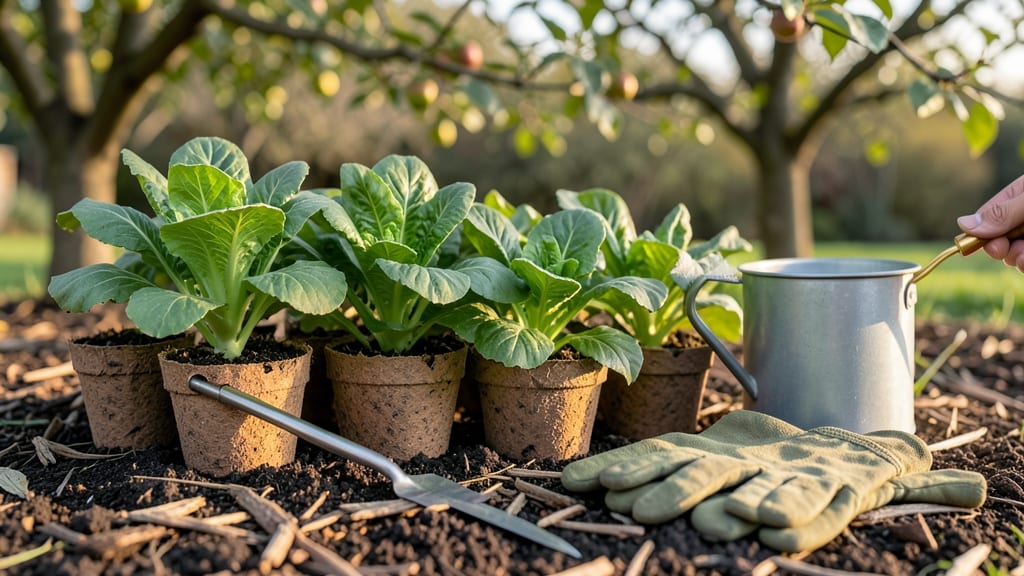
If you're wondering when to plant lettuce in Zone 7, timing is everything—especially when microclimates can shift frost risks by weeks. Miss the window, and you might end up with bitter, bolted greens instead of crisp, fresh 🥬.
The good news? With the right schedule, you can enjoy homegrown lettuce from early spring through late fall.
In Zone 7, the sweet spot for planting is early spring (March-April) and late summer (August-September). These windows align with soil temperatures that lettuce loves—cool enough to prevent bolting but warm enough to avoid frost damage.
Whether you're a first-time gardener or a seasoned pro, getting this right means fewer headaches and more harvests.
But here’s the catch: not all lettuce varieties play nice in Zone 7’s heat. Some bolt quickly, while others thrive with a little shade or succession planting. I’ll break down the best types for your zone and share pro tips to stretch your harvest from May through November—no guesswork required.
Ready to skip the store-bought greens and grow your own? Let’s dive into the exact dates, soil tricks, and heat hacks that’ll keep your 🥬 happy all season long.
Zone 7 lettuce planting calendar: frost-free dates by microclimate type
Lettuce thrives in Zone 7 during cool seasons—spring and fall—when temperatures stay between 40°F and 75°F. Planting outside these windows risks bolting (premature flowering) or frost damage.
Your exact dates depend on whether you're in a coastal, urban, or inland microclimate, where frost risks vary by 2-4 weeks.
For spring planting, aim for 4-6 weeks before your last frost date (typically mid-March to early April in Zone 7). Fall planting should start 6-8 weeks before your first frost (usually late August to mid-September).
Coastal areas like Asheville may have later frost dates, while inland zones like Richmond face earlier risks.
Here’s how to adjust your planting schedule based on your Zone 7 microclimate—because a 3°F temperature swing can mean the difference between success and failure.
If you’re unsure about your local frost dates, check the USDA Plant Hardiness Zone Map or use a frost calendar from your state’s agricultural extension service. For example, Virginia Tech and NC State Extension offer hyper-localized data for Zone 7 gardeners.
For heat-tolerant varieties like Romaine or Buttercrunch, you can push spring planting to early April or fall planting to early September, but monitor soil temperatures—lettuce roots struggle in soil above 75°F. Use a soil thermometer to confirm conditions before planting.
Pro tip: Succession plant every 2 weeks in spring and fall to ensure a continuous harvest. This works especially well for loose-leaf varieties like Oakleaf or Black Seeded Simpson, which regrow after cutting.
Remember, shade cloth (30-50%) can extend your growing season by 2-4 weeks in summer, preventing bolting during heat waves. Pair this with drip irrigation to keep roots cool and moist.
🌱
How to extend lettuce harvests in Zone 7: succession planting & heat hacks
One of the biggest challenges for growing lettuce in Zone 7 is avoiding bolting—when heat triggers your lettuce to flower prematurely, turning crisp leaves bitter. The solution? Succession planting and smart heat management.
By staggering plantings every 2-3 weeks from spring through early summer, you can enjoy fresh lettuce until fall’s first frost.
Start your first batch 4-6 weeks before your last frost date (typically mid-March in Zone 7). Then, plant new seeds every 10-14 days until early June. This keeps a steady supply of young, tender leaves that bolt-resistant varieties like Romaine or Buttercrunch can handle better than mature plants.
For summer heat, shade cloth (30-50%) is your best friend. Stretch it over your lettuce beds to block intense afternoon sun, which can spike soil temperatures above lettuce’s 70°F comfort zone. Even a simple DIY frame with lightweight fabric can buy you 2-4 extra weeks of harvestable greens.
Don’t overlook fall planting—this is where Zone 7 gardeners really shine. Aim to sow seeds 8-10 weeks before your first frost (around early September). Lettuce planted in late summer thrives with cooler nights and longer daylight, producing sweeter, slower-bolting leaves.
Try Winter Density or Arctic King varieties for cold tolerance.
Pro tip: Mulch heavily with straw or leaves to insulate roots from temperature swings. This keeps soil temps stable and moisture levels ideal, even as summer fades into fall. With these tricks, you can harvest lettuce from May through November—no greenhouse required!
Remember, consistent moisture is key. Water deeply in the morning to keep leaves dry, which prevents fungal diseases like downy mildew. A drip irrigation system on a timer makes this effortless and ensures your lettuce stays crisp and happy all season long. 🥬