Planting
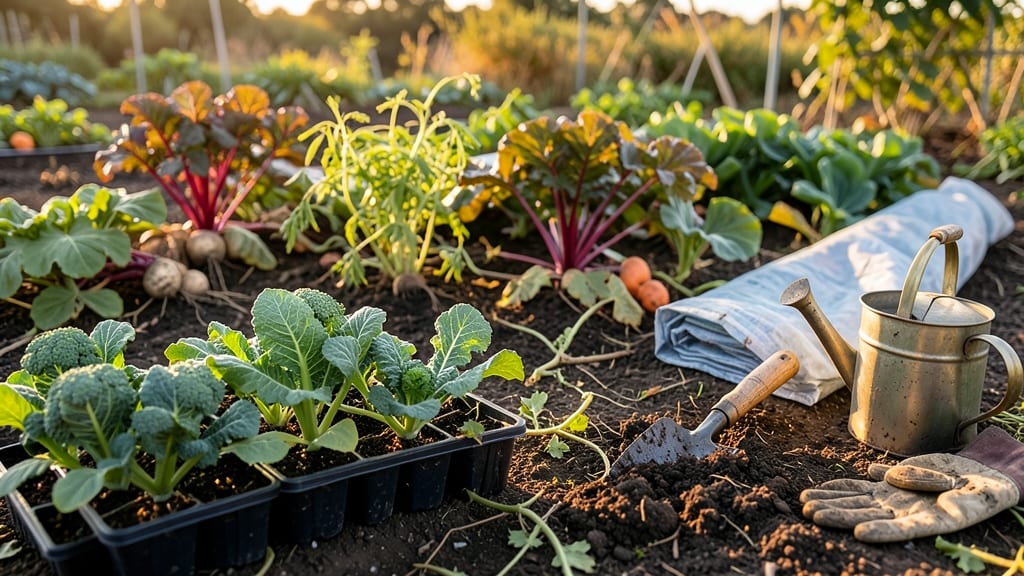
If you've ever stared at your Alabama garden in late summer and wondered, "when to plant a fall garden in Alabama", you're not alone—timing is the difference between a bountiful harvest and wasted effort.
The key lies in understanding your heat zone, because planting too early risks wilting in the heat, while waiting too long means frost will steal your crops before they mature.
Alabama's diverse climate—from the cooler Appalachian foothills to the humid Gulf Coast—means deadlines vary by region. Whether you're in USDA Zone 7b or Zone 8b, missing these windows could cost you weeks of growth.
I'll break down the exact dates you need to know, so you can plant with confidence and avoid common mistakes that derail fall gardens.
Zero-frost crops like collards, kale, and turnips are perfect for Alabama's fall season, but they demand precision. We'll cover the ideal planting windows for each, plus soil prep tips to give your plants the best start.
With the right timing, you could be harvesting fresh produce well into winter—no more sad, wilted plants left in the heat.
Ready to transform your garden? Let's dive into the science-backed deadlines and strategies that will help you beat the heat, outsmart frost, and enjoy a thriving fall harvest. Your future meals—and your plants—will thank you.
Alabama’s fall planting heat zone deadlines by region
Alabama’s USDA heat zones 7b-8b create distinct planting windows for fall gardens. The key is knowing your last safe planting dates before the first frost—typically between October 15 and November 15, depending on your region.
Northern Alabama (zone 7b) has earlier frost dates, while southern Alabama (zone 8b) enjoys a longer growing season.
For warm-season crops like tomatoes and peppers, you’ll need to plant by mid-August to ensure they mature before cooler weather sets in. Cool-season crops like broccoli and lettuce can handle planting until mid-October in most areas. Missing these deadlines risks stunted growth or frost damage before harvest.
Here’s how to align your planting with Alabama’s heat zone deadlines:
| Region | Heat Zone | Last Safe Planting Date (Warm-Season) | Last Safe Planting Date (Cool-Season) | Avg. First Frost |
|---|---|---|---|---|
| North Alabama | 7b | Mid-August | Mid-October | October 15 |
| Central Alabama | 8a | Late August | Early November | November 1 |
| South Alabama | 8b | Early September | Mid-November | November 15 |
If you’re in North Alabama (zone 7b), prioritize fast-maturing varieties like bush beans or radishes—they’ll reach harvest before the first frost. In South Alabama (zone 8b), you have more flexibility to plant slower growers like cabbage or kale.
Always check your local Alabama Cooperative Extension office for microclimate adjustments. Urban areas can experience frost 1-2 weeks earlier than rural zones due to heat island effects. For example, Birmingham’s frost dates might align more closely with zone 7b, even if it’s technically in zone 8a.
Extend your growing season by using row covers or cold frames—these can push back frost damage by 2-3 weeks, giving you extra time for late-season harvests. Just remember: soil temperature matters just as much as air temperature. Aim for 50°F+ for cool-season crops to thrive.
For transplanted seedlings, like tomato or pepper starts, harden them off for 7-10 days before planting. This toughens their leaves and roots, helping them adapt to Alabama’s humid, unpredictable fall weather. Avoid planting when heavy rains are forecasted—soil compaction and poor drainage can stunt young plants.
Pro tip: Mark your fall planting calendar with these key dates: - August 1-15: Last chance for warm-season crops in North Alabama - September 1-30: Ideal window for cool-season crops statewide - October 1-15: Final planting for hardy greens like spinach or arugula
By aligning with these heat zone deadlines, you’ll maximize your Alabama fall garden’s potential—whether you’re growing zero-frost crops or extending your harvest into December. The key is planning ahead and staying flexible with Alabama’s ever-changing weather patterns.
Best zero-frost crops for Alabama fall gardens and their ideal planting times
Alabama’s mild fall climate makes it perfect for growing zero-frost crops like leafy greens, root vegetables, and brassicas. These plants thrive when daytime temperatures drop below 80°F but before hard frosts hit.
My top picks for fall gardens include collard greens, turnips, and radishes, all of which mature quickly in Alabama’s 60-75 day growing season.
For the fastest harvests, prioritize radishes and spinach, which can be ready in as few as 25-30 days. These crops are ideal for extending your garden’s productivity well into November.
In North Alabama (Zone 7b), aim to plant by mid-August for a late fall harvest, while South Alabama (Zone 8b) gardeners have until early September.
| Crop | Planting Window | Days to Harvest | Soil Temp (°F) |
|---|---|---|---|
| Collard Greens | Aug 15 - Sep 15 | 50-70 days | 60-70°F |
| Turnips | Aug 1 - Sep 10 | 30-50 days | 55-65°F |
| Radishes | Aug 10 - Oct 1 | 25-30 days | 50-60°F |
| Kale | Aug 15 - Sep 20 | 45-60 days | 60-70°F |
| Spinach | Sep 1 - Oct 1 | 30-45 days | 55-65°F |
Don’t overlook herbs like cilantro and parsley, which also thrive in Alabama’s fall weather. These can be direct-sown until mid-October in most regions, giving you fresh flavors for holiday cooking.
For longer-season crops like broccoli or cabbage, start seeds indoors in late July to transplant outdoors by mid-August.
Pro tip: Use row covers to extend harvests into December for hardier varieties like kale and collards. These covers protect against light frosts (28°F) while still allowing sunlight and airflow.
Always monitor your local frost forecast—Alabama’s first frost typically arrives between October 15 and November 15, depending on elevation.
For maximum yield, amend your soil with compost before planting to ensure proper nutrient levels. Alabama’s clay-heavy soils benefit from organic matter to improve drainage and fertility.
Test your soil’s pH (ideal 6.0-6.8) and adjust with lime or sulfur if needed—this small step can mean the difference between stunted plants and a bountiful harvest.
Remember, fall gardening in Alabama rewards patience and planning. By choosing the right crops and planting at the optimal times, you’ll enjoy fresh produce well into winter—even when your neighbors are putting their gardens to bed.
Start small with a few fast-growing radishes or spinach to test your timing, then expand next season.