
Trees
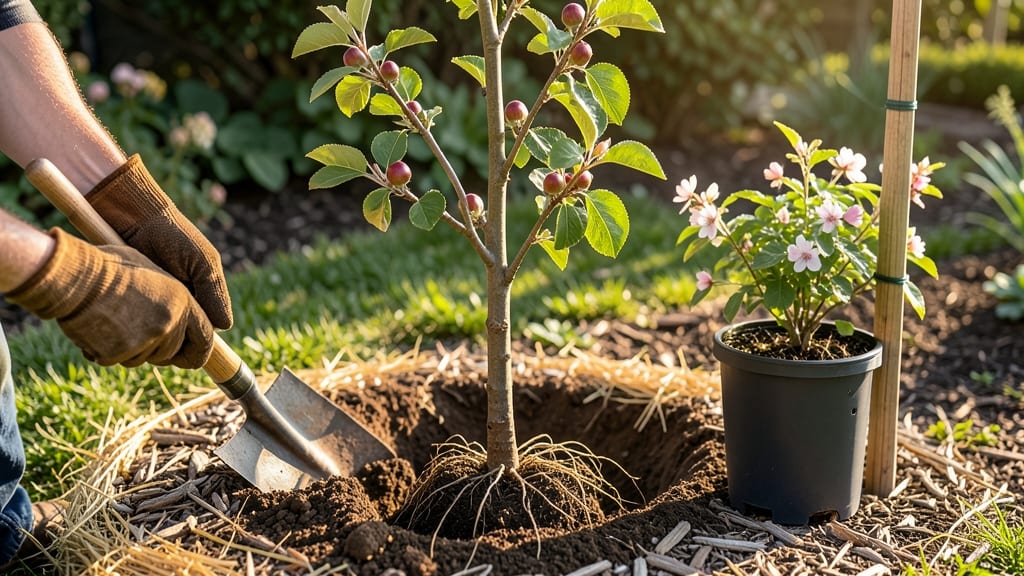
Planting an apple tree in Iowa isn’t just about grabbing a sapling and sticking it in the ground—it’s about outsmarting Mother Nature’s unpredictable frost risks and matching your variety to the state’s 5a-6b chill-hour zones.
Get the timing wrong, and you could end up with a 🍎 that never bears fruit—or worse, a tree that dies before it even gets started.
Iowa’s climate demands precision: Plant too early, and late frosts will fry your young tree; too late, and it won’t establish strong roots before winter hits.
The key is knowing whether your Honeycrisp or Haralson needs to go in the early spring (March-April) or fall (September-October) for the best shot at survival.
In this guide, I’ll break down the exact planting windows for Iowa’s top varieties, how to prep your soil for frost-resistant growth, and when to expect those first critical chill hours. No guesswork—just proven strategies to help your tree thrive from day one.
Whether you’re a first-time gardener or a seasoned orchard pro, these insights will help you avoid common mistakes and set your apple tree up for years of harvests. Let’s get started.
Iowa’s best planting months by apple tree variety & chill-hour zones
Iowa’s chill-hour zones (ranging from 500–900 hours) dictate when—and which—apple trees thrive. Northern Iowa (zones 5a-5b) needs cold-hardy varieties like Haralson (500–600 hours), while southern Iowa (zones 6a-6b) can handle Honeycrisp (600–800 hours). Planting at the wrong time risks late spring frosts or stunted growth.
Most Iowa gardeners succeed with early spring (March–April) or fall (September–October) planting. Spring planting gives roots time to establish before summer heat, while fall planting leverages cooler soil temperatures and winter moisture. Bare-root trees must be planted while dormant, so timing aligns with your variety’s chill-hour needs.
For example, Fuji apples (800–1,000 hours) struggle in northern Iowa but excel in southern counties. Meanwhile, Liberty apples (600–700 hours) thrive statewide due to their disease resistance and adaptability. Always check your USDA zone and variety’s chill-hour range before purchasing.
Here’s how to match your apple tree variety to Iowa’s planting windows:
| Variety | Chill-Hour Needs | Best Planting Window | USDA Zones | Notes |
|---|---|---|---|---|
| Haralson | 500–600 | Early spring or fall | 5a–6b | Cold-hardy, disease-resistant |
| Honeycrisp | 600–800 | Early spring (avoid fall in north) | 6a–6b | Sweet, needs cross-pollination |
| Liberty | td style="padding: 8px;">600–700Early spring or fall | 5a–6b | Fire blight-resistant, versatile | |
| Zestar! | 500–600 | Fall preferred (bare-root) | 5a–6a | Dwarf variety, early bearing |
| Fuji | 800–1,000 | Early spring (southern Iowa only) | 6a–6b | Needs warm microclimate |
Northern Iowa gardeners should prioritize fall planting for bare-root trees to avoid spring frost risks. Southern Iowa’s milder winters allow spring planting flexibility, but always monitor soil temperatures—roots need 50°F+ to establish. Use a soil thermometer to confirm readiness.
Pro tip: If planting in late spring (May), choose container-grown trees with established roots. These adapt faster to heat stress and avoid transplant shock. For fall planting, aim to finish by mid-October before ground freezes.
Iowa’s microclimates matter—urban areas like Des Moines (zone 6a) can support Fuji apples, while rural northern zones (zone 5a) should stick to Haralson or Liberty. Always check local frost dates from your Iowa State University Extension office for precise timing.
Remember: Chill hours aren’t just about winter cold—they’re about consistent dormancy periods. Planting a Fuji apple in northern Iowa might yield small, poor-quality fruit because it didn’t get enough chill hours. Match your variety to your zone’s average winter chill for best results.
🍎
How to avoid Iowa’s deadly frost risks: soil temperature & hardiness tricks
Iowa’s late spring frosts—often hitting in May—can turn your newly planted apple tree into a sad, frostbitten statistic if you’re not prepared. The key to survival? Soil temperature and rootstock selection.
Young trees need roots to establish before the ground thaws completely, but planting too early risks frost damage to tender shoots.
Always check soil temperatures before planting—roots need 50°F+ to grow. Use a soil thermometer (or your finger: cold soil feels like a fridge). In northern Iowa, wait until mid-April; southern Iowa can start in early April. This timing gives roots 6-8 weeks to anchor before frost season returns.
Rootstock matters too. M.9 rootstock (dwarf varieties) is less cold-hardy than B.9 or Antonovka. For Iowa, I recommend B.9 or MM.111—these handle -20°F without flinching. Pair them with cold-hardy varieties like Haralson or Liberty for double protection.
Late May is Iowa’s frost hotspot—even after buds swell! Use row covers or mulch (6+ inches of straw) to insulate roots. Avoid planting in low-lying areas where cold air pools.
Mulching isn’t just for winter—it’s your first line of defense against spring frost heaves. Apply 4-6 inches of wood chips or straw around the base in early spring to regulate soil temps. For extra insurance, wrap the trunk with tree guard to prevent sunscald (which weakens trees for frost).
If you’re planting in fall, aim for September-October when soil temps drop below 60°F. This lets roots harden off before winter. Water deeply before the first frost to hydrate roots, then add 12+ inches of mulch to protect against freeze-thaw cycles.
Pro tip: Plant your apple tree on the south side of a fence or building to create a microclimate that warms up faster in spring. This can delay frost damage by 1-2 weeks—critical when every day counts.
Combine this with drip irrigation to keep roots consistently moist, and you’ll outsmart Iowa’s frost risks every time.