
Trees
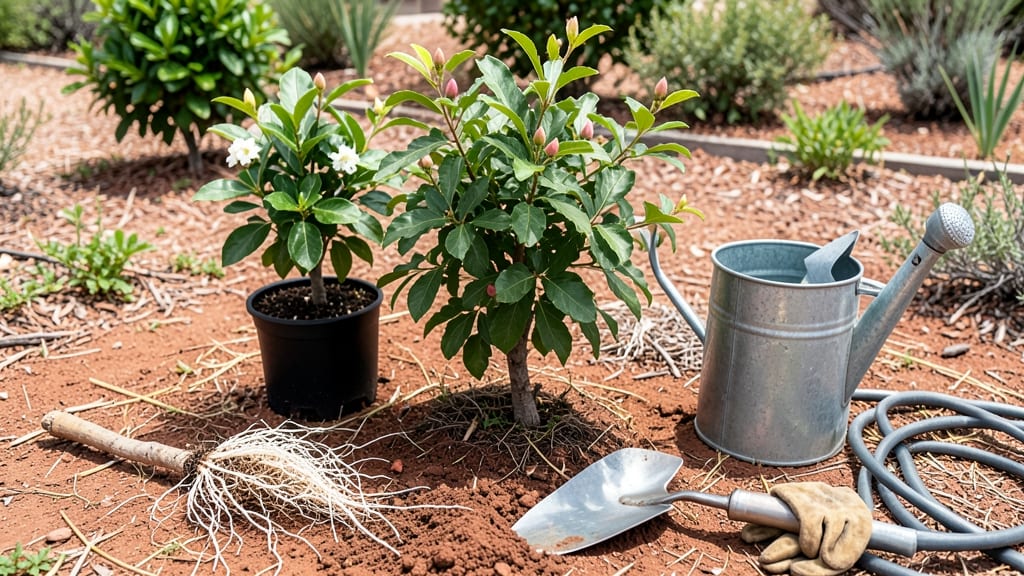
Timing is everything when it comes to planting fruit trees in Arizona—get it wrong, and your 🍎🍊🍇 saplings could wilt before they even take root.
Unlike cooler climates, Arizona’s desert heat demands precision, with late fall to early spring offering the perfect window to avoid scorching temperatures and water stress.
If you’ve ever watched a fruit tree struggle under Arizona’s sun, you know how critical the right timing is. The key is planting during the cooler months (November–February), when soil stays workable and young roots can establish without battling extreme heat.
This isn’t just theory—local growers swear by it, and the results speak for themselves.
But here’s the catch: not all fruit trees thrive on the same schedule. Citrus, for example, prefers early spring planting, while stone fruits like peaches need the cooler temps of late winter.
I’ll break down the exact months for each type, plus how to prep your soil and water like a pro to set your trees up for success.
Ready to skip the guesswork and plant with confidence? Let’s dive into the optimal months, microclimate tweaks, and foolproof tips to turn your Arizona backyard into a fruit-bearing paradise—without the trial and error.
Best months to plant fruit trees in Arizona by climate Zone
Arizona’s diverse climate zones—from the scorching low desert of Phoenix to the cooler high desert of Flagstaff—create wildly different planting windows for fruit trees. In the USDA Zone 9b-10a low desert, you can plant year-round, but November through February offers the best balance of cool temperatures and moisture retention.
Meanwhile, high desert areas (Zone 7b) demand earlier planting to avoid late-winter frosts, typically between October and December.
Citrus trees like lemon and orange thrive in Arizona’s heat but need gentle winter roots—plant them in late winter (February-March) to avoid summer stress. Stone fruits (peaches, plums) prefer cooler soil for root establishment, so November-January is ideal.
Nut trees like pecan and walnut can handle Arizona’s extremes but establish best in late fall (October-November).
Soil preparation is critical: Arizona’s alkaline soils (pH 7.5-8.5) can stunt root growth. Amend with compost and gypsum (for clay soils) before planting. Drip irrigation is non-negotiable—15-20 gallons per tree weekly during establishment. Without proper water, even drought-tolerant varieties like fig or pomegranate will struggle.
Here’s how Arizona’s three main climate zones dictate your planting schedule, including ideal temperatures and soil prep steps:
| Climate Zone | Best Planting Months | Ideal Soil Temp (°F) | Key Soil Prep | Watering Needs |
|---|---|---|---|---|
| Low Desert (Phoenix/Tucson) | Nov-Feb | 55-70°F | Gypsum + compost (break up clay) | Deep soak 2x/week (establishment) |
| Transitional (Prescott/Mesquite) | Oct-Dec | 50-65°F | Organic matter + sulfur (lower pH) | Deep soak 1x/week (cooler temps) |
| High Desert (Flagstaff) | Sep-Oct | 45-60°F | Peat moss + lime (acid-loving trees) | Deep soak 2x/week (spring thaw) |
Citrus trees (like Valencia oranges or Meyer lemons) are Arizona’s superstars but need winter chill (300-500 hours below 45°F). Plant them in February-March to align with natural bloom cycles. Stone fruits (peaches, nectarines) require cross-pollination—choose two compatible varieties and plant them within 50 feet of each other.
For nut trees like pecan, timing matters even more: Plant bare-root saplings in November to avoid summer heat stress. Mulch heavily (4-6 inches of wood chips) to retain moisture and regulate soil temps. Avoid synthetic mulches—they can bake roots in Arizona’s sun.
Ever-bearing figs and pomegranates are low-maintenance picks for Arizona’s heat. Plant them in late winter (February) when soil temps warm slightly. These varieties tolerate poor soil and drought once established, making them perfect for urban yards or rural lots. Just ensure they get full sun (6+ hours)—even shade-tolerant varieties like black mission fig will produce better fruit with maximum light.
One common mistake? Planting too late in spring. By April, Arizona’s soil can hit 90°F+, shocking young roots. If you miss the fall-winter window, opt for container-grown trees (they handle heat better) and provide afternoon shade for the first 3 months.
🌱
How Arizona’s microclimates affect fruit tree planting timing
Arizona’s diverse landscapes—from the scorching low desert of Phoenix to the cooler high desert of Flagstaff—create planting zones that can feel like entirely different climates. What’s perfect timing in Tucson (Zone 9b) might spell disaster in Sedona (Zone 7b).
The key? Understanding how elevation, humidity, and urban heat islands shift your ideal planting window by weeks—or even months.
For example, citrus trees in Yuma (Zone 10a) can handle early spring planting (March), but the same tree in Prescott (Zone 6b) risks frost damage if planted before April. Even within cities, microclimates matter: shaded urban yards stay cooler longer, while sun-baked backyards dry out faster.
Local nurseries often know these nuances—ask them which varieties thrive in your specific microclimate.
Here’s how to decode your zone: Use the USDA Plant Hardiness Map (or Arizona’s AgriLife Extension tools) to pinpoint your exact zone. Then adjust your planting schedule by 1-2 months if you’re in a high-elevation pocket or near water sources that create humidity pockets.
For instance, Flagstaff’s high desert delays planting until late April to avoid late-spring frosts, while Tucson’s low desert allows for February starts.
🌱Pro Tip: Test your microclimate’s soil temperature before planting—ideal root zones stay between 60–75°F. Use a soil thermometer (available at garden centers) to confirm readiness, especially in urban areas where pavement radiates heat.
🌡️ Microclimate Adjustments for Arizona Fruit Trees
Don’t overlook humidity pockets either—areas near lakes or irrigation canals stay moister, mimicking cooler climates.
For example, Sedona’s red rocks create microclimates where peach trees thrive with a March planting, while just 10 miles away in Cottonwood (hotter and drier), the same trees need a February start to avoid summer stress.
🌿Action Step: Observe your yard’s behavior for a week: Does it stay cooler near the house? Does the soil dry out faster in full sun? Use these clues to fine-tune your planting schedule. Even a 10°F difference can mean the difference between thriving roots and wilting saplings.
Finally, container-grown trees give you flexibility—plant them in shaded areas during summer’s peak heat, then move them to sunnier spots as temps drop. This trick works especially well for citrus and figs, which hate sudden temperature swings.
With these microclimate tweaks, you’ll plant at the perfect moment for your specific corner of Arizona—no guesswork required.