
Trees
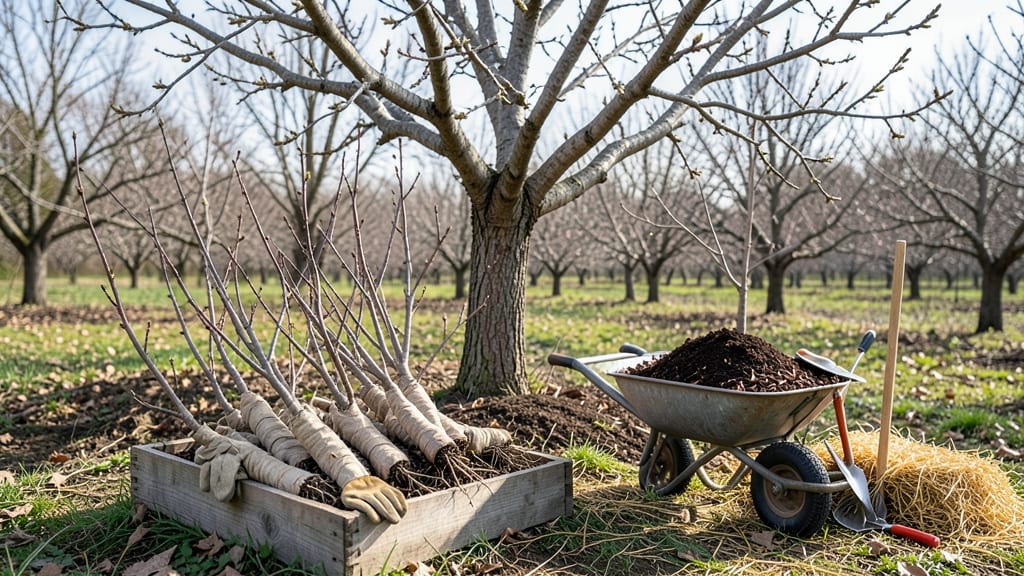
Timing your fruit tree planting in Washington could mean the difference between a thriving orchard and years of frustration—especially with the state’s chill-hour demands. If you’ve ever wondered why some trees struggle while others flourish, the answer often lies in when you put them in the ground.
Washington’s late winter to early spring window (February through April) isn’t just a suggestion—it’s the sweet spot for most varieties like apples, cherries, and peaches. But here’s the catch: Eastern WA’s colder microclimates and Western WA’s milder zones play a huge role in what works best for your orchard.
I’ll break down exactly when to plant based on your zone, variety, and even soil prep—so you can skip the guesswork. Whether you’re dealing with bare-root saplings or container-grown trees, these insights will help you match timing to your 🍎 tree’s needs for a harvest-worthy payoff.
Ready to plant with confidence? Let’s dive into the details that’ll set your fruit trees up for success—no trial and error required.
Washington’s chill-hour zones: matching fruit trees to planting timing
Washington’s diverse climate creates three distinct chill-hour zones that dictate when and which fruit trees thrive. Chill hours (below 45°F) are critical—apples need 800-1,000 hours, while peaches require just 300-500 hours. Planting at the wrong time risks poor fruit set or tree death.
Western Washington (Zone 7-8) has milder winters with 500-1,000 chill hours, perfect for varieties like Honeycrisp apples and Lapins cherries. Eastern WA (Zone 5-6) gets 800-1,200 chill hours, ideal for Granny Smith apples and Montmorency cherries.
Timing matters most for bare-root trees—plant them late winter to early spring (February-April) before buds swell. Containerized trees offer more flexibility but still benefit from spring planting to establish roots before summer heat.
🌱 Washington Chill-Hour Zones & Best Fruit Trees
| Zone | Chill Hours | Best Varieties | Planting Window |
|---|---|---|---|
| Western WA (7-8) | 500-1,000 | Honeycrisp, Fuji, Lapins | Feb-March |
| Eastern WA (5-6) | 800-1,200 | Granny Smith, Montmorency, Elberta | March-April |
| Cascade Foothills (6) | 600-900 | Gala, Rainier, Stella | Late Feb-March |
For peaches and nectarines, prioritize low-chill varieties like Redhaven (300-500 hours) in Western WA. These trees bloom earlier, so avoid planting in Zone 5 where late frosts are common.
Soil prep is just as critical. Amend heavy clay soils with compost and sand to improve drainage, especially in Eastern WA where soils can compact. A pH of 6.0-7.0 ensures nutrient availability for root growth.
Containerized trees can be planted year-round but require extra watering in summer. Bare-root trees, however, must be planted while dormant—never after buds break in spring.
Microclimates matter! Puget Sound areas are 3-4°F warmer than inland zones, so adjust planting dates accordingly. For example, cherry trees in Zone 7 may bloom 2 weeks earlier than in Zone 6.
Use mulch (4-6 inches) to retain moisture and regulate soil temperature. Remove mulch in late winter to prevent fungal diseases as temperatures rise.
For dwarf varieties, plant 6-12 inches deeper than the container to encourage root stability. Standard trees need 18-24 inches of depth for proper anchorage.
Always check last frost dates—Western WA averages March 15, while Eastern WA can see frost until April 15. Planting too early risks root freeze.
Best planting months for Washington fruit trees by variety
Timing your fruit tree planting in Washington isn’t just about the calendar—it’s about matching your variety to the chill-hour zone and regional microclimate. In Western WA, where winters are milder, you’ll plant Honeycrisp apples or Lapins cherries in March or early April to avoid late frosts.
But in Eastern WA, where chill hours are higher, Zestar! apples or Satan cherries thrive when planted in late February—before buds swell.
Containerized trees offer more flexibility, letting you plant them year-round, but bare-root trees demand precise timing. For peaches like Redhaven, aim for February to March in colder inland areas, while pears like Bartlett can wait until April in the Puget Sound region.
The key? Plant when the soil is workable but before the tree breaks dormancy.
🌱
Microclimates play a huge role. In the Puget Sound, where frost dates are later, you can push planting into early April safely. But in the Columbia Basin, where cold snaps linger, February is your best bet.
Always check your last frost date—Western WA averages March 15, while Eastern WA can be as late as April 15.
Soil prep is just as critical as timing. Amend your planting hole with compost and a balanced fertilizer (10-10-10) to give roots a nutrient boost. For dwarf varieties, like Gisela rootstock apples, plant them shallow—the graft union should sit just above soil level.
Mulch heavily with wood chips to retain moisture and regulate soil temperature.
🌿
After planting, prioritize deep watering—especially in the first year. Young trees need 1–2 inches of water weekly, delivered in the morning to prevent fungal diseases. In drought-prone areas like the Yakima Valley, consider drip irrigation to keep roots consistently moist.
Avoid overwatering, though—root rot is a common killer of newly planted fruit trees.
Finally, protect your investment with frost cloth if late frosts threaten. In Zone 7 (e.g., Spokane), this is especially important for stone fruits like peaches and plums, which bloom early. With the right timing and care, your Washington-grown fruit trees will reward you with harvests for decades.