
Trees
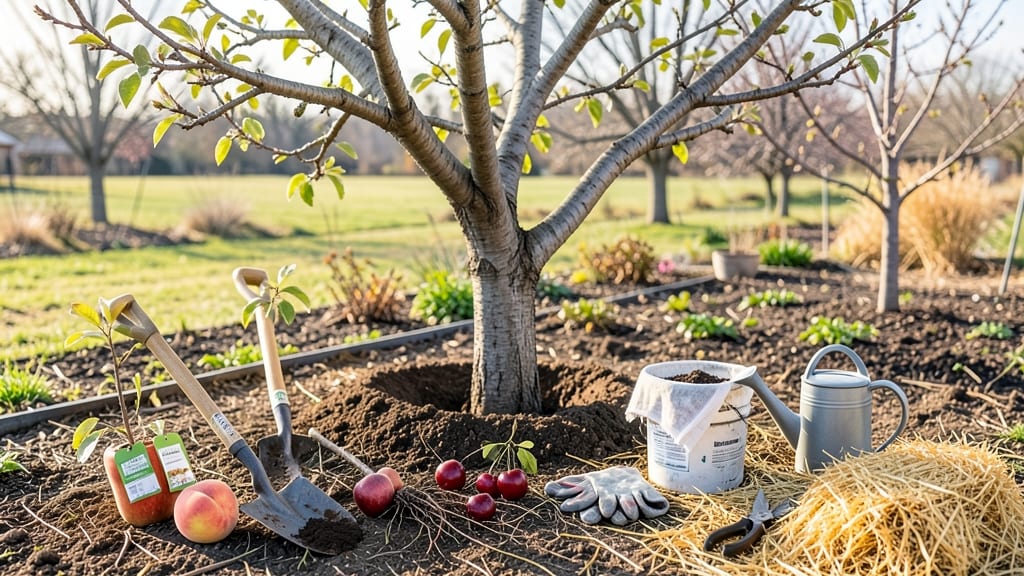
Timing your fruit tree planting in Colorado isn’t just about grabbing a shovel—it’s about matching varieties to their chill-hour needs and avoiding the dreaded late frost. 🍎 One wrong move, and your $100+ investment could end up as firewood instead of a harvest.
The good news? With the right strategy, you can plant in late winter or fall and set yourself up for decades of homegrown apples, peaches, and cherries.
Colorado’s climate throws curveballs—from Denver’s 5b zone to Grand Junction’s 6a warmth—so the "best" time depends on where you live. I’ll break down exactly when to dig in each region, plus which varieties thrive in your microclimate.
Spoiler: Some trees need 1,000 chill hours, while others demand 800+—and getting that wrong means no fruit.
Think you can just plant anytime? Think again. We’ll cover the 3 critical mistakes Colorado gardeners make—like ignoring soil prep or planting too early—and how to sidestep them. Whether you’re a first-timer or a veteran grower, these insights will help you plant once, harvest for years.
Ready to turn your backyard into an orchard? Let’s dive into the exact calendar for your zone, plus pro tips for soil, water, and winter prep. Your future juicy peaches (or crisp apples) are waiting—let’s make sure they get the perfect start.
Colorado fruit tree planting calendar by chill-hour zones
Colorado’s diverse climate—from high-altitude valleys to arid plains—means chill-hour requirements dictate when and where you can plant fruit trees. Most of the state falls within USDA Zones 4-7, but chill hours (4,000–10,000+) are the real game-changer.
For example, apples thrive in Zone 5 (Denver) with 800–1,000 chill hours, while peaches need Zone 7 (Grand Junction) with 600–800 hours. Planting outside these ranges risks poor fruit set or no harvest at all.
Timing matters just as much as variety selection. Fall planting (September–October) gives roots time to establish before winter, while spring planting (March–April) avoids drought stress.
High-altitude areas (e.g., Fort Collins, 5,000+ ft) need earlier fall planting to beat early frosts, whereas lowland zones (e.g., Grand Junction) can plant later into October.
Here’s how to align your planting with Colorado’s chill-hour zones and seasonal windows:
| Zone | Chill Hours | Best Varieties | Ideal Planting Window | Key Tip |
|---|---|---|---|---|
| Zone 4 (e.g., Steamboat Springs) | 800–1,000+ | Honeycrisp Apple, Haralson Pear | Late August–September (fall) | Use windbreaks; mulch heavily |
| Zone 5 (e.g., Denver, Colorado Springs) | 600–800 | Elberta Peach, Montmorency Cherry | September–October (fall) or March–April (spring) | Avoid late spring planting near frost pockets |
| Zone 6 (e.g., Fort Collins, Boulder) | 400–600 | Red Haven Peach, Stella Cherry | August–September (fall) or April (spring) | Water deeply post-planting; drip irrigation helps |
| Zone 7 (e.g., Grand Junction, Pueblo) | 200–400 | J.H. Hale Apple, Flaming Gold Nectarine | September–October (fall) or March (spring) | Use drought-tolerant rootstocks |
For high-altitude gardens (5,000+ ft), prioritize early fall planting (August–September) to avoid early frosts. In Zone 4 areas like Steamboat Springs, Honeycrisp apples and Haralson pears are top picks—they handle 1,000+ chill hours without struggling.
Meanwhile, Zone 7’s Grand Junction can grow low-chill varieties like J.H. Hale apples, which thrive with just 200–400 chill hours.
Spring planting in Colorado works best from March to early April, but avoid planting bare-root trees too early—soil temperatures below 40°F can stunt root growth. Container-grown trees are more flexible and can be planted until late May, though they’ll need extra watering during establishment.
Pro tip: Check your local Cooperative Extension office for microclimate data. For example, Denver’s urban heat islands can push chill hours lower than rural areas, while mountain valleys may accumulate more chill hours than expected. Adjust your variety choice accordingly!
Soil prep is non-negotiable. Before planting, amend your soil with compost and organic matter to improve drainage—critical in Colorado’s clay-heavy or sandy soils. A pH of 6.0–7.0 is ideal for most fruit trees, and adding mycorrhizal fungi can boost root health in dry climates.
Once planted, mulch heavily (3–4 inches) with straw or wood chips to retain moisture and regulate soil temperature. In Zone 5–7, this is especially important during late winter thaws, which can wake dormant roots too soon.
🌱
Top 5 fruit trees for Colorado gardens and their perfect planting windows
Colorado’s diverse climate—from the Front Range’s 5,000+ chill hours to the Western Slope’s 3,000–4,000 hours—means not all fruit trees thrive equally. Choosing the right variety for your microclimate ensures success. Here are the top 5 fruit trees that flourish in Colorado, along with their ideal planting windows.
First, Honeycrisp apples dominate Colorado orchards thanks to their 600–800 chill hours and disease resistance. Plant them in late winter (February–March) or early fall (September–October) for best root establishment. Their crisp, sweet fruit rewards patience—just ensure your yard gets full sun and well-draining soil.
Next, Elberta peaches are a Colorado favorite with 500–700 chill hours, perfect for Denver and Colorado Springs. Plant them in fall (September–October) to let roots harden before winter. Avoid low-lying areas where late spring frosts can damage blossoms. A windbreak helps protect delicate flowers.
Montmorency cherries thrive in higher-chill zones (700–900 hours), making them ideal for Grand Junction and the San Luis Valley. Plant them in late winter (February–March) to avoid summer heat stress. Their tart fruit is perfect for jams, but watch for bird predation—use netting during harvest season.
For pears like Bartlett, aim for 400–600 chill hours, suited to lower-elevation areas. Plant in early spring (March–April) to avoid winter moisture stress. Pears need cross-pollination, so plant a second variety nearby. Their smooth skin and juicy flesh make them a backyard staple.
Finally, plums like Stanley adapt well to Colorado’s dry climate with 300–500 chill hours. Plant in fall (September–October) for early spring blooms. Their self-pollinating nature simplifies gardening, but prune annually to maintain airflow and reduce disease risk.
🌱 Pro Tip: Always check your local chill-hour zone (use CSU Extension’s climate maps) before selecting varieties. Matching trees to your microclimate ensures reliable fruit production year after year.
Each of these top 5 varieties offers unique flavors and growing traits, but their success hinges on proper planting timing. For high-altitude areas, opt for low-chill varieties like Stanley plums, while Front Range gardeners can choose Honeycrisp apples or Elberta peaches for reliable harvests.
🌿 Remember: Bare-root trees planted in fall establish roots before spring growth, while container-grown trees can go in spring or fall. Always amend soil with compost and mulch heavily to retain moisture in Colorado’s dry climate.