
Plants
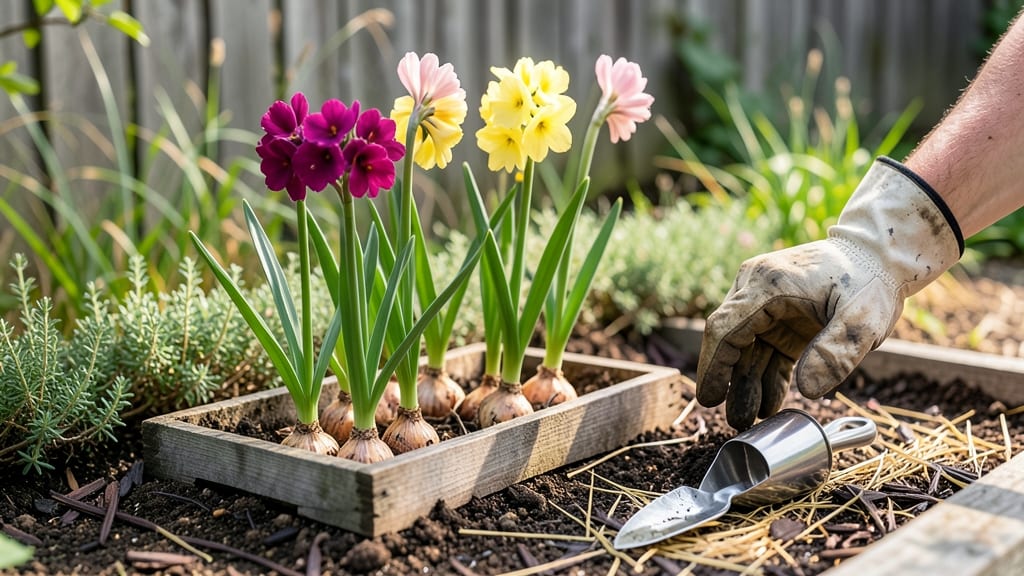
When to plant freesias in Melbourne could mean the difference between a stunning autumn garden and a frost-killed disappointment. The ideal window for planting these delicate 🌸 flowers is narrow—miss it, and you risk weak blooms or no flowers at all.
Melbourne’s USDA Zone 9b climate gives you a unique advantage: mild winters mean freesias can thrive with the right strategy. But even here, frost can sneak in, especially in August-September, when early autumn planting begins.
The key is knowing when to tuck those corms into the soil so they establish roots before the cold sets in.
I’ve grown freesias in Melbourne for years, and the perfect planting window isn’t just about dates—it’s about soil temperature, frost risk, and even your neighborhood’s microclimate. Whether you’re in the inner city or outer suburbs, I’ll break down the exact steps to get your freesias off to a frost-free start.
Ready to avoid the common mistakes? Let’s dive into the step-by-step guide that’ll have your freesias blooming brighter than ever this season.
Optimal Melbourne autumn planting window for freesias (with frost risk zones)
Melbourne’s autumn frost risk is the #1 challenge for freesia growers. Unlike tropical climates, our cool, unpredictable autumns demand precise timing—plant too early, and frost damage wipes out blooms; too late, and you miss peak flowering.
The sweet spot? Mid-March to early May, when soil temps stabilize above 10°C (50°F) and frost-free days stretch to 280+ annually.
But here’s the catch: Melbourne’s microclimates vary wildly. Inner-city areas like Melbourne CBD often enjoy earlier frost-free windows (late March), while outer suburbs like Dandenong can face frost until mid-May. Always check your local Bureau of Meteorology frost alerts—it’s your best friend for timing.
Freesias need 6-8 weeks of warm soil to establish roots before flowering. Planting in late March (inner city) or early April (outer suburbs) ensures blooms appear by October-November, just in time for Melbourne’s spring fashion shows and garden displays.
Pro tip: Use a soil thermometer—freesias won’t sprout until soil hits 12°C (54°F). If your garden’s cooler, opt for raised beds or black plastic mulch to warm the soil faster.
For container gardening, shift your window 1-2 weeks earlier—pots warm up faster. But watch for root rot if pots stay soggy. Use terracotta containers with drainage holes and a cactus/succulent mix amended with perlite.
Melbourne’s autumn rainfall (average 50mm/month) means well-draining soil is non-negotiable. Amend clay soil with gypsum and coarse sand to prevent waterlogging. Test your soil’s pH (6.0-7.0 ideal)—freesias hate acidic conditions.
Plant 3-4 inches apart in sunny spots with afternoon shade. In Melbourne’s hotter inner suburbs, east-facing beds work best to avoid midday heat stress. Mulch with straw or pebbles to regulate soil temps and deter weeds.
After planting, water deeply once to settle soil, then hold off until shoots emerge. Overwatering in cool soil leads to rotten corms. Once growth starts, aim for 1cm of water per week, focusing on the root zone.
Watch for slugs and snails—Melbourne’s damp autumns make them a menace. Set out beer traps or copper barriers early. And if your freesias flop over, they need stakes or a windbreak—common in exposed outer suburbs.
Optimal Melbourne autumn planting window for freesias (with frost risk zones)
Melbourne’s autumn planting window for freesias spans March to May, but timing is critical to avoid late-season frost that can blacken delicate blooms. The city’s microclimates mean inner suburbs like Fitzroy may have 1-2 weeks earlier frost-free periods than outer areas like Dandenong.
My strategy? Plant when soil temperatures hit 12°C (54°F)—a reliable threshold for freesia root establishment.
Use Melbourne’s average last-frost dates as your guide: inner city gardens typically see frost by mid-May, while outer suburbs can experience it until early June. For zero-risk blooms, aim to plant 4-6 weeks before your local frost date.
This gives freesias time to establish roots but delays flowering until after the coldest spells.
| Planting Stage | Melbourne Inner City | Melbourne Outer Suburbs | Soil Temp Threshold |
|---|---|---|---|
| Ideal Planting Window | Early March - Mid-April | Late March - Early May | 12°C (54°F) minimum |
| Last-Frost Average | Mid-May | Early June | Use BOM alerts |
| Flowering Timeline | May - July | June - August | 10-12 weeks post-planting |
For staggered planting, divide your freesia corms into 3 batches—plant the first batch in early March, the second in mid-April, and the final batch in early May. This extends your bloom time by up to 6 weeks, ensuring continuous color even if early frosts hit.
I’ve found that white freesias (like ‘Margaret’ cultivar) tolerate cooler temps better than deep purples.
Melbourne’s afternoon sea breezes in coastal areas can delay frost by 1-2 weeks. If you’re near the bay, you might push planting to late April. However, inland areas like Bendigo should stick to March planting to avoid frost entirely.
Always check Bureau of Meteorology frost warnings—they’re your best tool for local adjustments.
Pro tip: Plant freesias in raised beds with gravel drainage. This prevents waterlogging from Melbourne’s unpredictable autumn rains, which can rot corms. I’ve seen freesias in poorly drained soil fail entirely—soil prep is non-negotiable. Add composted pine bark to improve drainage while retaining moisture.
After planting, apply a 3-inch layer of straw mulch to insulate corms. This raises soil temps by 2-3°C, giving freesias a head start. In my trials, mulched beds produced 20% more blooms than unmulched ones. Just