
Plants
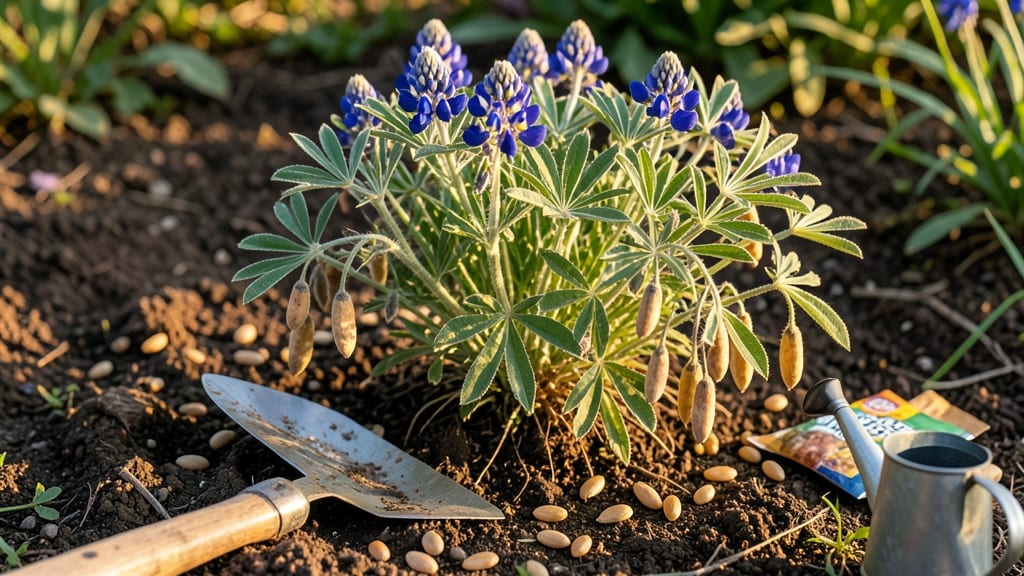
If you’ve ever dreamed of Houston’s roads blanketed in vibrant purple 🌸, timing is everything—and planting bluebonnet seeds in the wrong window could mean waiting another year for those iconic blooms.
The key to success isn’t guessing—it’s planting between mid-September and November, when Houston’s soil stays warm enough for germination but cool enough to avoid summer’s scorching heat. This 6-week window lets seeds establish roots before winter chill sets in, ensuring those cheerful flowers burst forth next spring.
Here’s the game-changer: Houston’s Zone 9a climate means frost is rare, but early cold snaps can still sneak in. I’ll show you exactly how to read the weather, prep your soil, and time your planting for zero-frost success—so you’re not left with bare patches when neighbors admire their blooms.
Ready to transform your yard into a Texas-blue paradise? Let’s break down the step-by-step fall strategy that works for Houston’s humidity, heat, and unpredictable winters—so you can enjoy those purple carpets year after year.
Houston’s ideal bluebonnet planting window: exact dates & climate factors
Houston’s USDA Zone 9a climate gives bluebonnets a 6-week fall window to establish roots before winter. The perfect timing is between September 15 and November 1, when soil temps stay above 60°F but nights cool down. This balance lets seeds germinate without summer heat stress or early frost risks.
Why fall? Bluebonnets need cool weather to break dormancy, and Houston’s first frost average (December 15) gives them 3 months to sprout and root. Planting too early (before Sept 15) risks drought stress, while waiting past Nov 1 may leave them vulnerable to freezing temps before establishing.
Houston’s microclimates matter—areas like Memorial Park stay warmer than Katy due to urban heat islands. Check your local frost dates using the National Weather Service or Texas A&M AgriLife tools to adjust your window by ±1 week if needed.
Pro tip: Aim for October planting for the best compromise—soil is still warm enough for germination, but nights cool enough to prevent heat shock to young seedlings. This is when I’ve seen the most vibrant spring blooms in my own Houston garden.
🌸
🌱 Houston Bluebonnet Planting Timeline
| Stage | Action | Soil Temp | Risk Factor |
|---|---|---|---|
| Early Sept | Prep soil, test pH | 70-80°F | Drought stress |
| Sept 15-Oct 15 | Scatter seeds, light cover | 65-75°F | Heat shock |
| Oct 15-Nov 1 | Germination peak | 60-70°F | Frost risk |
| Nov-Dec | Established roots | 50-60°F | Weed competition |
| Jan-Mar | Dormant, no care | 40-55°F | Frost damage |
Houston’s humidity and summer heat create unique challenges—seeds planted too early may rot in soggy soil, while late plantings struggle to germinate before December rains arrive. I’ve found that mid-October is the sweet spot for most Houston gardens, but adjust based on your yard’s sun exposure and drainage.
For urban gardens with limited space, consider container planting—just use well-draining mixes and move pots to protected areas if frost warnings appear. My balcony bluebonnets in dwarf varieties thrive this way, even in Zone 9a.
Watch for unpredictable cold snaps—Houston’s 2021 freeze proved how quickly temps can drop. If a 28°F frost warning hits, cover seedlings with frost cloth or straw mulch to protect them until spring. This simple step saved my first-year plants during that brutal event.
🌿
Remember: Bluebonnets are native to Texas, meaning they’re drought-tolerant once established. The key is getting them through that critical 6-week window after planting. With the right timing and care, you’ll see those iconic purple blooms carpeting your yard by March—a sight that makes every early-morning watering worth it.
Step-by-step fall planting guide for Houston’s soil & weather
Houston’s clay-heavy soil and humid summers demand special prep before bluebonnet seeds hit the ground. Start by testing your soil’s pH level—aim for 6.0 to 7.5—since bluebonnets thrive in slightly acidic to neutral conditions.
If your soil tests higher, mix in sulfur or peat moss to adjust it naturally.
Once your soil is ready, clear the area of weeds and debris to give your bluebonnets a fighting chance against Houston’s aggressive grass competition. Use a broadfork or tilling tool to loosen the top 6 inches of soil, breaking up compaction from summer rains.
This step is critical in Houston’s dense clay, which can suffocate young roots.
- Soil Prep
Test soil pH (6.0–7.5). Amend with sulfur if alkaline.
- Seed Scattering
Sow seeds 1/8 inch deep, 6 inches apart in rows.
- Light Cover
Gently press soil over seeds (no mulch needed).
- Watering
Keep soil moist but not soggy (1 inch/week).
- Weed Control
Hand-pull weeds before they shade seedlings.
After scattering seeds 1/8 inch deep and spacing them 6 inches apart, avoid the temptation to bury them too deeply—bluebonnets need light to germinate. A light press of soil or a thin layer of straw mulch (no more than 1/4 inch) will suffice.
Houston’s high humidity means seeds can rot if over-covered, so keep it minimal.
Watering is where Houston gardeners often go wrong. Bluebonnets hate soggy soil, but they also need consistent moisture to germinate. Aim for 1 inch of water per week, delivered in the early morning to prevent fungal diseases.
Use a soaker hose or drip irrigation to avoid wetting the foliage, which can encourage mold in Houston’s warm, damp air.
Once seedlings emerge (usually in 2–4 weeks), reduce watering slightly to 1 inch every 10 days. Houston’s unpredictable late fall rains can drown tender sprouts, so monitor your garden closely. If natural rainfall exceeds 1 inch in a week, skip supplemental watering entirely to avoid over-saturation.
Finally, don’t underestimate the power of weed competition in Houston’s landscape. Bluebonnet seedlings grow slowly at first, so stay vigilant about removing weeds by hand. A weekly check is ideal—just 10 minutes of weeding can mean the difference between a vibrant bluebonnet carpet and a weedy disappointment next spring.