
Plants
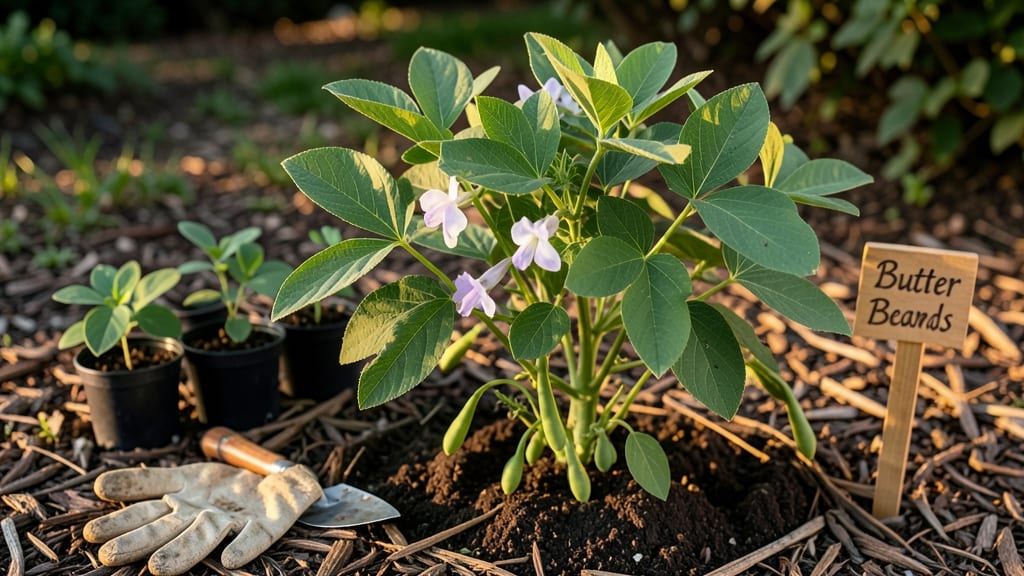
Timing your butter bean 🌱 planting in North Carolina can make or break your harvest—get it wrong, and you’ll end up with stunted plants or wasted seeds.
The key lies in waiting for that perfect window when soil warmth and frost-free days align, typically after your last frost date in zones 6b-8a.
For most of NC, that means holding off until mid-April to May in cooler inland areas (like the Piedmont) or as early as March in warmer coastal zones like Wilmington.
But here’s the catch: rushing too soon can leave your butter beans struggling in cold soil, while waiting too long might cut your harvest short before summer heat peaks.
I’ll break down exactly when to plant in your specific NC zone, plus pro tips for extending your growing season through succession planting. Think of it as your roadmap to a garden full of tender, homegrown butter beans from July through September.
Ready to avoid the most common mistakes? Let’s dive into the heat-zone timing that’ll give you the best shot at a bountiful harvest—no guesswork required.
NC heat Zone planting calendar for butter beans: exact weeks to start
North Carolina’s diverse USDA zones 6b-8a create unique planting opportunities for butter beans. In Zone 8a, where winters are milder, you can start as early as mid-March. Meanwhile, Zone 6b gardeners should wait until mid-April after the last frost date to avoid cold damage.
Soil temperature is critical—butter beans need soil that’s at least 60°F for germination. Use a soil thermometer to confirm readiness. In Zone 7a, this typically aligns with late March to early April, giving you a 180-day growing season before the first frost.
Here’s a quick reference for your NC heat zone:
| Zone | Last Frost Date | Planting Window | Soil Temp Requirement | Harvest Window |
|---|---|---|---|---|
| 6b | April 15 | April 15 - May 1 | ≥60°F | July - September |
| 7a | March 20 | March 20 - April 15 | ≥60°F | June - August |
| 8a | February 15 | February 15 - March 15 | ≥60°F | May - September |
For Zone 6b, aim to plant by May 1 to ensure pods mature before the November 15 frost. In Zone 8a, you can even extend your season into late summer with succession planting, which we’ll cover in the next section.
Pro tip: If you’re unsure about frost dates, use a frost-free date calculator or check your local Cooperative Extension Service for precise timing. They often provide 10-year averages that account for NC’s variable climate.
Once planted, maintain consistent moisture and watch for yellowing leaves, which can signal overwatering or nutrient deficiency. Butter beans are heat-loving, so they’ll reward you with vigorous growth when given the right conditions.
In Zone 7a, you can also try early spring planting under row covers to jumpstart growth. Just remove the cover once plants are established to avoid heat stress. This method can shave off 2-3 weeks from your growing season.
Remember, butter beans are warm-season crops, so they’ll wilt if exposed to temperatures below 50°F. Always check your extended forecast before planting to avoid surprises.
For coastal NC (e.g., Zone 8a), you might even squeeze in a fall planting in September for a late-season harvest. Just be prepared to protect young plants with frost cloth if temperatures dip.
Start with direct sowing for best results—butter beans don’t transplant well. Space seeds 4-6 inches apart in rows 18-24 inches apart to allow for vining growth. With the right timing, you’ll enjoy a bountiful harvest in just 80-100 days!
NC heat Zone planting calendar for butter beans: exact weeks to start
North Carolina’s diverse USDA zones 6b-8a create distinct planting windows for butter beans. In Zone 6b (western NC), wait until April 15 after the last frost, while Zone 8a (coastal areas) can start as early as February 15. The key is soil temperatures above 60°F—cold soil delays germination.
Butter beans need 90-120 frost-free days to mature, so timing is critical. In Zone 7a (central NC), aim for March 20-April 15 planting. Late starts risk stunted growth before first frost (November 1 in Zone 7a). Always check your local frost date averages for precision.
| Zone | Last Frost Date | Ideal Planting Window | Soil Temp Requirement | Harvest Window |
|---|---|---|---|---|
| 6b | April 15 | April 20-May 10 | ≥60°F | July 15-Sept 1 |
| 7a | March 20 | March 25-April 15 | ≥60°F | June 15-Aug 15 |
| 8a | February 15 | February 20-March 10 | ≥60°F | May 15-July 15 |
For coastal NC (Zone 8a), early planting lets you enjoy two harvests before summer heat. Inland areas should prioritize late April starts to avoid spring frost damage. Always monitor weekly weather forecasts—unpredictable NC springs can delay planting by weeks.
Pro tip: Use black plastic mulch to warm soil faster in cooler zones. This raises soil temps by 5-10°F, accelerating germination. Remove mulch when plants reach 12 inches tall to prevent overheating.
Butter beans planted too early in Zone 6b often suffer from stunted vines and poor pod set. If your area experiences late May frosts, wait until June 1 for a safer bet. The trade-off? A slightly later harvest—but better quality pods.
For container growing, plant 2-3 weeks later than ground planting. Pots heat up faster but also dry out quicker—check soil moisture daily. Use fast-draining mixes with 50% compost to prevent root rot.