
Flowers
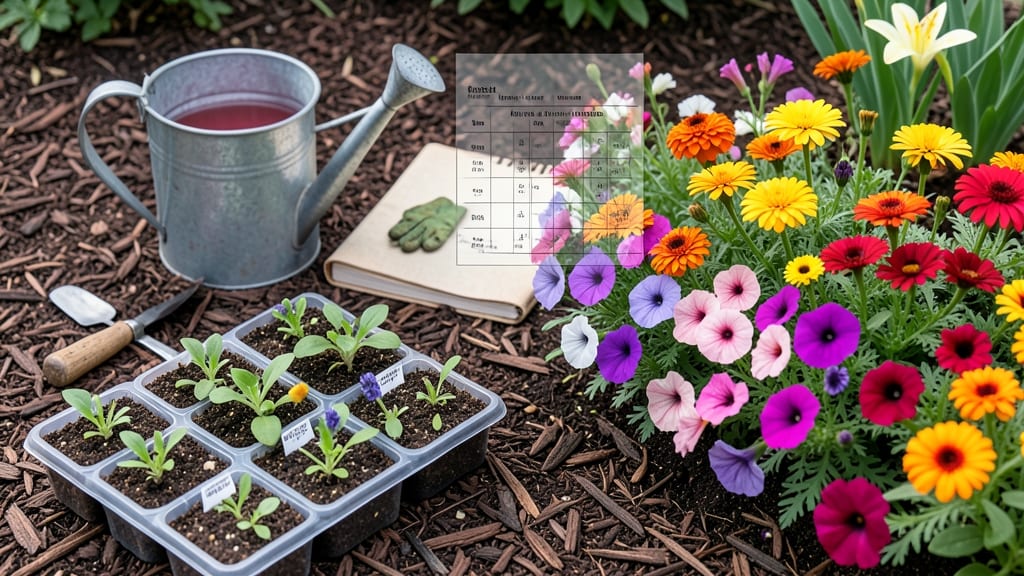
Timing your flower planting in Philadelphia isn't just about following a calendar—it's about beating the city's famously fickle spring weather to unlock a garden bursting with 🌸 vibrant blooms that last all season.
With USDA Zone 7a and last frost dates hovering around April 15, you’ve got a narrow window to get annuals in the ground before summer heat sets in—or risk wilting before they even bloom.
But here’s the secret: the right prep and plant dates can turn Philly’s unpredictable climate into your garden’s greatest ally.
In this guide, I’ll break down exactly when to plant everything from spring bulbs to fall perennials, plus how to adjust for those late frosts or early heatwaves that love to throw curveballs. No more guessing—just bold, long-lasting flowers that make your neighborhood green with envy.
Ready to transform your garden into a season-long showstopper? Let’s dive into the planting schedule that actually works for Philly’s unique growing conditions.
Best flower planting times in Philadelphia’s USDA Zone 6B (by season & type)
Philadelphia’s USDA Zone 6B climate means we enjoy 165 frost-free days—but those last frost dates can shift unpredictably. For me, this means planning two main planting windows: spring (March-May) and fall (September-October).
The key? Understanding how each flower type interacts with Philly’s urban heat islands and rural cooler pockets.
Annuals like marigolds and petunias need to wait until after April 15 when soil temps hit 60°F+. Perennials like coneflowers can go in early spring or fall, while tulip bulbs need 6-8 weeks of cold before spring planting.
Let’s break down the perfect timing for each category—plus how to adjust for Philly’s quirks.
🌱 PRO TIP: Use the Penn State Extension’s frost date tracker (link in resources) to confirm your microclimate’s last frost—it can vary by 1-2 weeks between Center City and suburban areas.
| Flower Type | Best Planting Window | Soil Temp Requirement | Philly-Specific Tip |
|---|---|---|---|
| Annuals (Marigolds, Petunias) | April 15–May 15 | 60°F+ | Use row covers for late frosts |
| Perennials (Coneflowers, Black-Eyed Susans) | March 1–April 15 OR Sept 15–Oct 15 | 45°F+ | Fall planting = stronger roots |
| Bulbs (Tulips, Daffodils) | Oct 1–Nov 1 (for spring blooms) | 50°F+ | Plant 6" deep in well-draining soil |
| Cold-Hardy (Pansies, Snapdragons) | March 15–April 30 | 40°F+ | Tolerate light frosts—ideal for Philly! |
For urban gardeners, container planting extends your season. I’ve had geraniums bloom until November 15 in pots on my rooftop deck—just move them to partial shade in July to prevent wilting. Rural areas can push fall planting until October 31 thanks to cooler nights.
Soil prep is non-negotiable in Philly’s clay-heavy soil. Amend beds with 2 inches of compost and sand to improve drainage. My raised beds in West Philly warm up 2 weeks earlier than in-ground soil—perfect for early spring planting of cold-tolerant flowers like stock or sweet alyssum.
🌿 WARNING: Avoid planting heat-sensitive flowers like impatiens until May 15—Philly’s July heatwaves can scorch them if planted too early.
Let’s talk microclimates: A south-facing wall in Center City can be 5°F warmer than your backyard. Use this to your advantage—plant warm-season flowers like zinnias near heat-absorbing surfaces. In cooler North Philly, delay tender annuals by 10-14 days.
For fall planting, aim for 6-8 weeks before first frost (typically October 15). This gives pansies and kale flowers time to establish roots before winter. I’ve had calendulas bloom until
How to adjust planting dates for Philadelphia’s unpredictable weather (pro tips)
Philadelphia’s spring frosts can strike well into April, while summer heatwaves arrive earlier than expected—both threats to your flower beds. The key? Flexible planting and weather-ready strategies to protect tender blooms. I’ve gardened here for years and learned that monitoring soil temps (not just air temps) and using frost cloths can extend your planting window by 2-3 weeks. Start by checking the Penn State Extension’s frost date tracker—their April 15 average last-frost date is a guideline, not a rule. For heat-loving annuals like zinnias or marigolds, wait until May 1 when soil temps hit 60°F+ at 4 inches deep. A soil thermometer ($10 at garden centers) is your best friend here—cool soil delays germination, even if air temps seem warm.For perennials and bulbs, fall planting (September-October) gives roots time to establish before winter. But if you’re late, cover newly planted perennials with straw mulch (3-4 inches thick) to insulate them from freeze-thaw cycles.
I once planted tulip bulbs in late November and lost half—the lesson? Stop planting bulbs by October 15 unless you’re in a sheltered microclimate (like a south-facing bed).
🌱 Pro Tip: Use row covers or cold frames to push spring planting 2 weeks earlier. These create a 5-10°F warmer microclimate, letting you sow pansies or snapdragons by mid-March—long before the "official" last frost. Just remove covers before flowers bloom to prevent heat stress.
Heatwaves are another Philly wildcard. If a 90°F+ forecast hits while your petunias or geraniums are still young, shade them with 30% shade cloth until they root deeper.
I’ve seen annuals wilt in days during early June heat—mulch heavily (with wood chips or grass clippings) to keep roots cool. For container gardens, move pots to shadier spots or add ice cubes to water to lower soil temps gradually.
💧 Warning: Overwatering after a late frost can drown seeds. Wait until soil is dry 1 inch down before watering—finger-test daily in spring. And never plant when rain is forecast for 48 hours; soggy soil causes rot and fungal diseases like damping off in seedlings.
Urban vs. Rural Philly? City gardens (like those in Center City) can be 5°F warmer than suburban areas due to the "heat island effect." If you’re in a concrete-heavy zone, opt for heat-tolerant flowers like lantana or salvia and plant 1-2 weeks later than rural guidelines suggest.
For backyard gardens, test your microclimate: Hang a thermometer in your bed for a week to see how it compares to official forecasts.
🌡️ Final