
Flowers
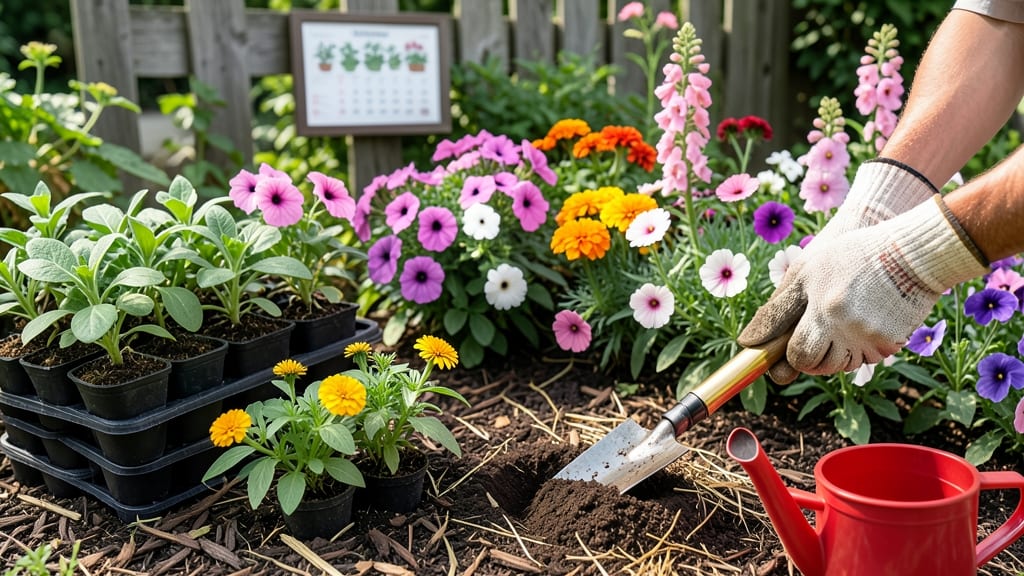
Knowing when to plant flowers in GA isn’t just about throwing seeds into the dirt—it’s the difference between a showstopping garden and a sad, wilted mess.
With USDA zones 7a-9a and a growing season that stretches from February to November, you’ve got a golden opportunity to grow vibrant blooms year-round—but only if you play by Mother Nature’s rules.
Most gardeners in Georgia know spring is prime planting time, but did you know fall can be even better for many varieties? Cool soil and fewer pests mean stronger roots and longer-lasting blooms.
Whether you’re dreaming of spring azaleas or fall mums, knowing your last frost date (which varies from February to March) is the key to success.
I’ve spent years perfecting my own garden in Georgia, and I’ll share exactly when to plant everything from heat-loving marigolds to frost-tender pansies. No more guessing—just a clear, zone-specific schedule so your 🌸 flowers thrive from the first bloom to the final frost.
Ready to transform your yard into a nonstop floral display? Let’s dive into the best months for planting, the flowers that shine in Georgia’s heat, and how to avoid the biggest mistakes that kill blooms before they even begin.
Georgia heat Zone planting schedule: best months for annuals, perennials, and bulbs
Georgia’s USDA heat zones 7-9 create a unique gardening environment where flowers can bloom almost year-round—but timing still matters. The key is understanding your last and first frost dates, which vary dramatically from North Georgia (Zone 7) to South Georgia (Zone 9).
For example, Zone 7 gardeners in the mountains might see frost as late as March 15, while Zone 9 gardeners in Savannah can plant tender annuals in January.
Most Georgia gardeners focus on two main planting windows: spring (February-April) and fall (August-October). Spring planting gives you vibrant summer blooms, while fall planting ensures winter color and early spring flowers.
Bulbs like tulips and daffodils should go in the ground 6-8 weeks before last frost, while annuals like marigolds need soil temps above 60°F to thrive.
Here’s how to align your planting with Georgia’s climate zones for maximum success:
| Heat Zone | Last Frost Date | First Frost Date | Best Planting Window | Ideal Flowers |
|---|---|---|---|---|
| Zone 7 (North GA) | March 15 | November 15 | Feb 15-Apr 15 (Spring) / Aug 15-Oct 1 (Fall) | Azaleas, Daylilies, Petunias |
| Zone 8 (Central GA) | March 1 | November 1 | Feb 1-Apr 1 (Spring) / Aug 1-Oct 15 (Fall) | Hydrangeas, Salvias, Zinnias |
| Zone 9 (South GA) | February 15 | December 15 | Jan 1-Apr 1 (Spring) / Aug 1-Nov 1 (Fall) | Orchids, Bougainvillea, Marigolds |
For spring planting, start with cool-season annuals like pansies and snapdragons in February. These handle Georgia’s mild winters and bloom early. By March, you can add heat-loving petunias and zinnias, but wait until soil temps reach 60°F to avoid stunted growth.
In Zone 9, you can even plant tender annuals like impatiens in January.
Fall planting is just as critical—especially for bulbs and perennials. Plant fall-blooming bulbs like crocuses in October for winter color. For annuals, focus on pansies and kalmias, which thrive in cooler temps. Avoid planting in September if temps are still high, as this can stress young plants.
One Georgia-specific tip: Mulch heavily after planting to protect roots from temperature swings. In Zone 7, mulch with pine straw to insulate against late frosts, while Zone 9 gardeners should use straw mulch to prevent soil overheating in summer.
This simple step can extend your bloom season by 4-6 weeks.
Don’t forget about summer planting! While most gardeners focus on spring and fall, heat-tolerant annuals like sunflowers and black-eyed Susans can be direct-sown in May-June for late summer blooms. Just ensure they get consistent watering during Georgia’s humid, rainy summers to prevent fungal issues.
Pro tip: Use shade cloth for new transplants in June-July to protect them from intense sunlight while they establish roots. This is especially helpful for Zone 8-9 gardens, where afternoon sun can scorch young plants.
Timing your plantings to match Georgia’s microclimates ensures your garden stays vibrant year-round. Whether you’re in the mountains, piedmont, or coastal plains, these schedules will help
Top 10 flowers that thrive in Georgia’s climate (with exact planting times)
Georgia’s humid subtropical climate and USDA Zones 7-9 create perfect conditions for heat-loving flowers that bloom year-round. Whether you’re planting annuals for summer color or perennials for low-maintenance beauty, timing is key.
Below are the top 10 flowers that thrive in Georgia, complete with their ideal planting windows and care tips to keep them blooming all season.
From drought-tolerant salvias to vibrant marigolds, these flowers are chosen for their adaptability to Georgia’s heat and humidity. Most can be planted in early spring or fall, but some—like black-eyed Susans—thrive when planted in late summer for a fall-winter show.
Let’s dive into the specifics so you can plant with confidence.
🌸 Did You Know? Georgia’s long frost-free season (180–240 days) allows for extended blooming periods if you choose the right flowers and plant at the perfect time. For example, pansies planted in September will bloom until spring frost, giving you 6+ months of color.