
Flowers
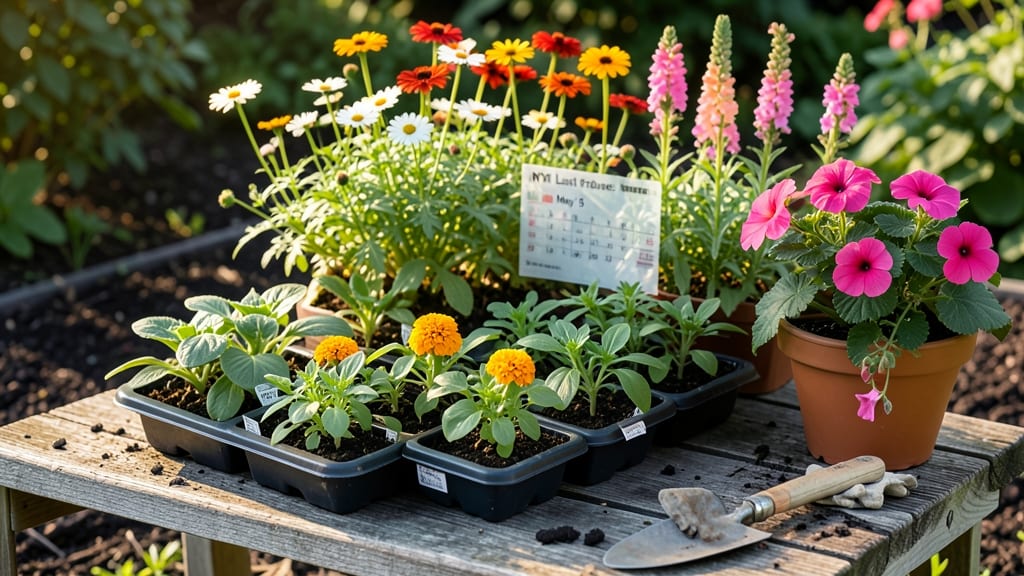
Timing your flower planting in New York isn’t just about luck—it’s about knowing your hardiness zone and when the soil is ready to welcome those 🌸 roots. Skip the guesswork and plant at the wrong time, and you’ll end up with wilted dreams instead of vibrant blooms.
Whether you’re in the city or upstate, the 6a zone has specific windows where success blooms effortlessly.
Spring planting kicks off after the last frost, typically around April 15, but don’t rush—soil needs to warm up to 60°F for roots to thrive. Fall is your second chance, with August through September offering cooler temps and fewer pests.
But here’s the catch: not all flowers play by the same rules. Annuals demand precision, while perennials can be a little more forgiving.
I’ll break down the exact months to plant for maximum blooms, whether you’re growing sun-loving annuals or shade-tolerant perennials. You’ll also learn how to beat New York’s unpredictable weather with simple tricks, like row covers and soil prep hacks.
Let’s turn your garden into a year-round showstopper—starting with the right timing.
Ready to ditch the trial-and-error? By the end, you’ll know exactly when to dig in for spring and fall planting, plus how to care for your flowers once they’re in the ground. No more second-guessing—just beautiful, thriving blooms all season long.
NY hardiness zones 5-7: best flower planting months for spring and fall
New York’s diverse hardiness zones—ranging from Zone 5 in the Adirondacks to Zone 7 in Long Island—mean your planting schedule should shift based on location.
For Zone 5 (Upstate NY), aim for late April to early May in spring, while Zone 7 (NYC/Long Island) can start as early as mid-April. Fall planting works best from mid-August to mid-September across all zones, giving roots time to establish before winter.
Your last frost date is critical: NYC typically sees its last frost around April 15, while Upstate NY can experience late frosts until May 1. Use these dates as your spring planting baseline, but always check local forecasts.
For fall planting, aim to finish 6 weeks before your first frost—usually by mid-October for most of NY.
Soil temperature matters just as much as air temperature. Most flowers need soil that’s warmed to at least 60°F (15°C) before planting. In Zone 6 (Central NY), this often happens by mid-May, while Zone 7 areas may reach it by early April.
Use a soil thermometer to confirm—cold soil can stunt growth or even kill tender seedlings.
| Zone | Spring Planting Window | Fall Planting Window | Key Considerations |
|---|---|---|---|
| Zone 5 (Adirondacks, Catskills) | Late April – Early May | Mid-August – Early September | Late frosts common; use row covers |
| Zone 6 (Albany, Syracuse) | Mid-April – Mid-May | Late August – Mid-September | Soil warms slower; test temps |
| Zone 7 (NYC, Long Island) | Early April – Early May | Mid-August – Late September | Urban heat islands may allow earlier planting |
For annual flowers like marigolds or zinnias, direct sow after your last frost date. These heat-lovers thrive when planted in warm soil, so don’t rush them—waiting a few weeks for consistent warmth pays off with bigger, healthier blooms.
If you’re itching to start earlier, opt for cool-season annuals like pansies or sweet alyssum, which tolerate light frosts and can be planted as early as March in Zone 7.
Perennials like coneflowers or black-eyed Susans are more forgiving. Plant them in early spring (as soon as soil is workable) or in fall (6 weeks before frost) to give roots time to establish. Fall-planted perennials often bloom earlier the following year because they’ve had a head start on growth.
Bulbs like tulips and daffodils are a fall-planting specialty. In NY, plant them between October and mid-November—this mimics their natural winter dormancy cycle. If you miss this window, wait until early spring (March) for a second chance, though blooms may be delayed.
For tender bulbs like dahlias, wait until after your last frost in spring, as they’re frost-sensitive.
NY’s urban heat islands (like Manhattan) can create microclimates where spring arrives 1-2 weeks earlier than rural areas. If you’re in a city, monitor local Cornell Cooperative Extension updates or use a neighborhood plant hardiness map to fine-tune your timing.
For example, Brooklyn may be Zone 7b, while Staten Island could be Zone 7a—these subtle differences matter for heat-loving annuals.
Always amend your soil before planting, especially in NY’s clay-heavy or sandy soils. Mix in 2-3 inches of compost or aged manure to improve drainage and fertility. For container gardening (common in NYC), use a lightweight potting mix with added perlite to prevent waterlogging.
Mulch after planting to retain moisture and suppress weeds, which is especially important during NY’s hot, dry summers.
Pro tip: Mark your planting calendar with these NY-specific milestones: - March 15: Start seeds indoors for spring - April 15: Last frost date (NYC average) - May 1: Safe for heat-loving annuals - August 15: Begin fall planting - October 1: Plant bulbs for spring blooms
Spring vs fall planting: which works Better for your NY flower types?
Deciding between spring and fall planting in New York depends entirely on what you’re growing. Annuals like marigolds and petunias thrive when planted in late spring after the last frost, while perennials such as coneflowers and black-eyed Susans often establish better roots in fall.
Bulbs like tulips and daffodils actually need the cold to bloom, so fall is their ideal window. Let’s break down which season wins for your favorite flowers.
Spring planting gives you a head start on vibrant summer blooms, but it’s a race against time—late frosts can still catch seedlings off guard. Fall planting, on the other hand, means fewer weeds, cooler soil, and a chance for roots to settle before winter.
For NY hardiness zones 5-7, fall planting typically closes by mid-September, while spring planting opens after April 15. The key is matching your flower’s growth cycle to the season’s advantages.
🌸
Spring Planting
- ✅ Faster blooms: Annuals like geraniums and impatiens burst into color in 6-8 weeks.
- ✅ Longer growing season: Warmer soil speeds up germination and growth.
- ⚠️ Frost risk: Late frosts can damage tender seedlings if planted too early.
- ⚠️ Weed competition: Weeds grow aggressively in spring, competing for nutrients.
Fall Planting
- ✅ Reduced pests: Fewer insects and diseases mean healthier plants.
- ✅ Better root establishment: Cooler temps encourage strong root growth before winter.
- ✅ Earlier spring blooms: Perennials like daylilies often flower sooner.
- ⚠️ Limited time window: Plant too late, and roots won’t establish before frost.
Best for:
Spring: Annuals, tender perennials, and warm-season blooms.
Fall: Perennials, bulbs, and cool-season flowers.
For annuals, spring planting is non-negotiable—these one-season wonders need warm soil to germinate and thrive. Think zinnias, cosmos, and sunflowers; they’ll reward you with nonstop color from summer through fall.
But if you’re growing perennials like peony or hosta, fall is your best bet. These plants establish deep roots over winter, giving them a head start for next year’s blooms.
Bulbs are a special case. Planting tulips or daffodils in fall ensures they’ll bloom in spring, but only if they experience a period of cold. Skip fall planting, and you’ll miss out on those cheerful spring displays.
Even spring-blooming bulbs need time to root before winter sets in. For bulbs, the rule is simple: plant in fall, and they’ll thank you with vibrant blooms come spring.
Don’t overlook cool-season annuals like pansies and snapdragons, which can handle fall planting and even survive light frosts. These are perfect for extending your garden’s season well into autumn. Meanwhile, warm-season annuals like begonias and coleus should wait until spring, as they won’t tolerate cold soil or air temperatures.
🌿 Whether you choose spring or fall, the key is soil temperature. Use a soil thermometer to check for 60°F+ in spring or 50-60°F in fall. This ensures roots grow quickly without stress.
And remember: mulching in fall adds insulation, protecting young roots from temperature swings. With the right timing, your flowers will thrive—no matter the season!