
Flowers
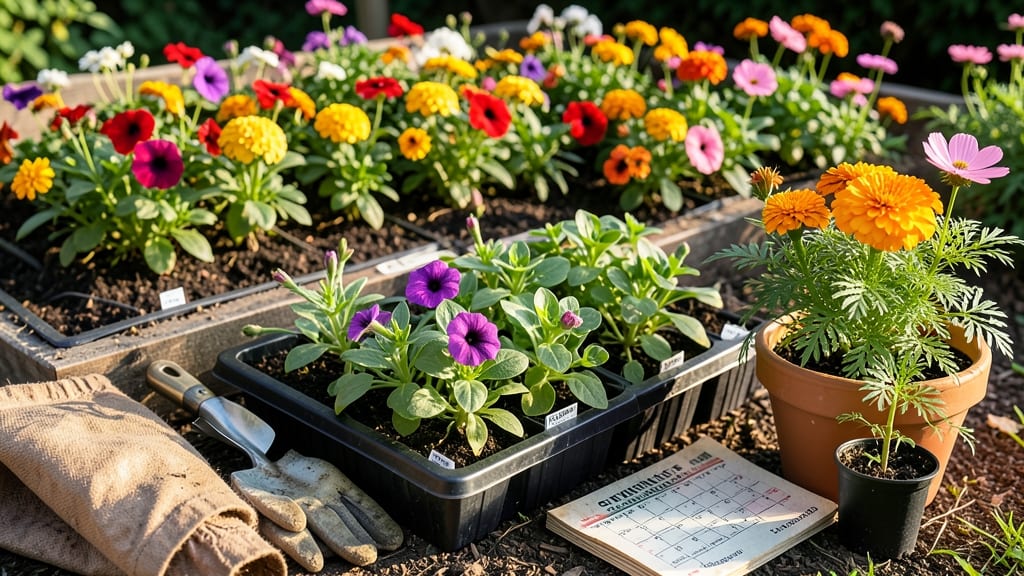
Timing your flower planting in St. Louis can mean the difference between a garden bursting with 🌸 blooms and one that barely takes root. With USDA Zone 6a frost dates that shift yearly, knowing when to plant flowers in St. Louis is your secret weapon for success.
Whether you're dreaming of vibrant spring annuals or hardy perennials that thrive through fall, getting the timing right is everything. Plant too early, and a late frost could wipe out your progress. Wait too long, and summer heat arrives before your flowers even sprout.
I’ll break down the exact planting windows for spring and fall, including how to adjust for raised beds or containers. You’ll learn which flowers handle St. Louis’ climate best, from drought-resistant perennials to heat-loving annuals.
By the end, you’ll have a clear plan to maximize your garden’s potential—no more guesswork, just beautiful, thriving flowers all season long.
Spring planting schedule for St louis flowers: avoid last frost dates
Timing your spring flower planting in St. Louis means beating the average last frost date of March 15–April 1. Plant too early, and a late frost will kill tender seedlings.
Wait too long, and summer heat arrives before blooms even appear. The key is understanding soil temperature thresholds—most flowers thrive when soil reaches 60°F (15°C).
For annual flowers like marigolds and zinnias, wait until 2–4 weeks after the last frost to ensure roots establish before heat stress. Perennials, however, can handle cooler soil and often do better when planted in early spring (March–April) for deeper root growth before summer.
St. Louis’ USDA Zone 6a-6b climate means some flowers, like cold-hardy pansies or snapdragons, can tolerate light frosts.
Others, such as petunias or geraniums, need warmer soil and should wait until late April. Bulbs like tulips planted in fall will bloom in spring, but summer-blooming bulbs (like dahlias) need to wait until soil warms.
🌱
| Flower Type | Cold Hardiness | Ideal Planting Window | Soil Temp Threshold |
|---|---|---|---|
| Annuals (Marigolds, Zinnias) | Tender | April 15–May 15 | 60°F (15°C) |
| Perennials (Coneflowers, Black-Eyed Susans) | Hardy | March 1–April 15 | 45°F (7°C) |
| Bulbs (Tulips, Daffodils) | Cold-Hardy | Fall (Sept–Oct) or Early Spring | 40°F (4°C) |
| Heat-Lovers (Petunias, Geraniums) | Tender | May 1–June 1 | 65°F (18°C) |
If you’re unsure about your last frost date, use a frost calendar or check local weather reports.
For extra protection, cover seedlings with frost cloth if temperatures dip below 32°F (0°C) after planting. Raised beds warm up faster than in-ground soil, so you can plant 1–2 weeks earlier in them.
For container gardening, wait until soil in pots reaches 60°F (15°C)—containers cool down faster at night. Native flowers like purple coneflower or black-eyed Susan thrive in St. Louis’ climate and can handle drought and heat once established, making them ideal for late spring planting.
Pro tip: Prep your soil in early spring by adding compost to improve drainage and fertility. Test your soil pH—most flowers prefer 6.0–7.0. Adjust with lime (to raise pH) or sulfur (to lower pH) if needed. Mulch after planting to retain moisture and regulate soil temperature.
🌿
Don’t forget to harden off seedlings if you’re starting them indoors. This means gradually exposing them to outdoor conditions over 7–10 days before transplanting. Skip this step for purchased bedding plants, but still acclimate them to your garden’s light conditions for 2–3 days before planting.
Finally, keep an eye on pests like slugs and aphids, which thrive in St. Louis’ humid springs. Use organic slug bait or neem oil to protect young plants. With the right timing and care, your spring garden will burst into color just in time for summer!
Fall planting advantages in St louis: extend bloom time without frost risk
Fall planting is my secret weapon for a longer bloom season in St. Louis. While spring planting gets all the attention, fall offers cooler soil temperatures and fewer pests, giving flowers a head start before winter.
The key is timing—aim for September through early October to let roots establish before the ground freezes.
St. Louis’ first frost typically arrives around mid-October, but hardy perennials and biennials planted in fall often bloom earlier the following spring. This strategy works especially well for cool-season flowers like pansies, snapdragons, and sweet alyssum, which thrive in our climate.
Here’s why fall planting wins: cooler temps reduce water stress, and established roots mean faster growth in spring. Plus, fewer weeds compete for nutrients when you plant in autumn. Just remember—soil should stay above 50°F for best root development.
- 1. Cooler Soil Temps: Ideal for root growth without heat stress (50–65°F).
- 2. Fewer Pests: Bugs are less active in fall, reducing damage.
- 3. Early Spring Blooms: Plants establish roots and flower sooner next year.
- 4. Moisture Retention: Cooler air holds humidity better, keeping soil moist.
- 5. Weed Control: Fewer weeds compete for nutrients in autumn.
For perennials, fall planting means stronger stems and bigger blooms next season. Think coneflowers, black-eyed Susans, and asters—these thrive when planted in September. Even bulbs like tulips and daffodils benefit from fall planting, as they need cold stratification to bloom.
Pro tip: Mulch heavily after planting to insulate roots from winter fluctuations. A 2–3 inch layer of straw or shredded leaves works perfectly. Avoid nitrogen-rich fertilizers in late fall, as new growth can’t harden off before frost.
Fall planting isn’t just for experts—even beginners can succeed by sticking to hardy varieties and monitoring soil temps. Start with pansies or calendula for instant color, or try native wildflowers like purple coneflower for low-maintenance beauty.