
Plants
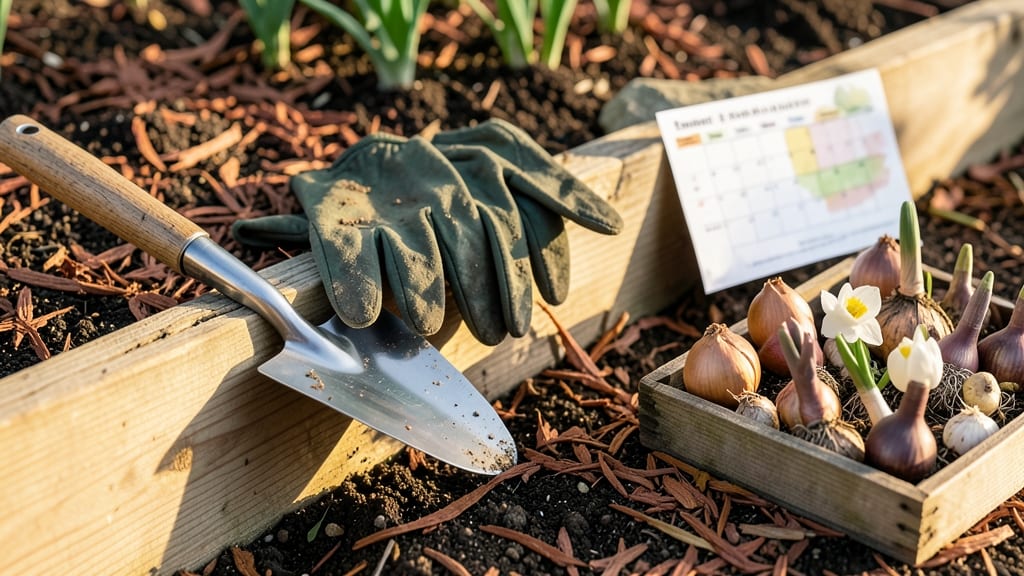
If you’ve ever planted bulbs in Zone 8a only to watch them wither before spring blooms—you’re not alone. The key to vibrant 🌱 flowers lies in timing, and getting it wrong can mean bulbs roasting in summer heat or struggling to root before winter sets in.
Zone 8a’s mild winters and scorching summers make traditional planting windows tricky. Unlike colder climates, bulbs here need extra care to avoid heat stress, which is why fall planting (October–December) is your best bet—but there are exceptions for heat-tolerant varieties.
I’ll show you exactly when to plant for maximum blooms, how to adjust for Zone 8a’s unique climate, and which bulbs thrive here. Skip the guesswork and start with the right timing to turn your garden into a spring (and summer!) paradise.
From soil prep to post-planting care, these strategies will help your bulbs establish strong roots before the heat kicks in. Let’s get those 🌱 planted right the first time!
Best planting windows for Zone 8a bulbs (fall focus + late winter adjustments)
Zone 8a gardeners face a unique challenge: mild winters and hot springs that can scorch bulbs if planted at the wrong time. Unlike colder zones, your bulbs need to establish roots before the ground heats up—typically by late winter.
The golden rule? Plant most bulbs in fall (October–December) to give them a head start, but adjust for heat-loving varieties.
Fall planting (October–December) is ideal for traditional spring bulbs like tulips and daffodils. The cooler soil temperatures let roots grow without summer heat stress. However, Zone 8a’s late-winter warmth (January–February) can trick some bulbs into sprouting too early, only to wilt when spring heat arrives. Timing is everything!
Here’s the critical timeline for Zone 8a: - October–December: Plant cool-season bulbs (tulips, hyacinths, crocuses). - February–March: Plant heat-tolerant bulbs (rain lilies, spider lilies) after the last frost risk. - Avoid April+: Soil is often too warm, causing bulbs to rot before blooming.
Zone 8a Bulb Planting Guide
| Bulb Type | Best Planting Month | Soil Temp Goal | Bloom Time |
|---|---|---|---|
| Tulips | October–November | 50–60°F | Spring (Feb–April) |
| Daffodils | November–December | 45–55°F | Winter–Spring (Jan–March) |
| Rain Lilies | February–March | 60–70°F | Summer (June–August) |
| Spider Lilies | March–April | 65–75°F | Summer (July–September) |
| Crocuses | October–November | 40–50°F | Early Spring (Jan–Feb) |
💡 Pro Tip: Use a soil thermometer to confirm temps. Aim for 50–60°F for cool-season bulbs.
For Southern California, plant 2–4 weeks earlier (early October) due to faster warming soils. In the Texas Hill Country, delay until late November to avoid early heat spikes. The Florida Panhandle allows late-winter planting (February) for heat-tolerant bulbs like crinum lilies.
Micro-climates matter! If your yard has south-facing beds, soil warms faster—plant bulbs earlier (September–October). Shady spots can handle later plantings (November–December). Always check last frost dates for your specific area using the USDA Plant Hardiness Zone Map.
One common mistake is planting bulbs too deep in Zone 8a’s heavy clay soils. Dig holes only 2–3 times the bulb’s height (e.g., 6 inches deep for a 2-inch tulip bulb).
Over-deep planting suffocates roots and delays blooms. Amend soil with compost or sand to improve drainage, especially in low-lying areas.
After planting, mulch heavily (3–4 inches) with straw or shredded leaves to insulate bulbs from late-winter heat waves. Remove mulch in early spring to prevent rot from excess moisture. Water deeply once a week until shoots emerge, then taper off as blooms appear.
Zone 8a’s long growing season means you can even plant fall-blooming bulbs like fall crocuses in August–September for early autumn color. Just ensure they’re in partial shade to avoid summer wil
How to adjust planting for Zone 8a’s unique heat challenges (and save your bulbs)
Zone 8a’s mild winters and early springs create a tricky balance for bulb planting. Traditional fall-planted bulbs like tulips and daffodils often struggle when soil temperatures rise too fast in late winter.
The key is timing—planting too early means bulbs may sprout and get fried by 60°F+ soil, while waiting too long reduces root establishment before summer heat arrives.
My solution? A two-phase approach: prioritize heat-tolerant bulbs in early fall, then use pre-chilling tricks for cooler-loving varieties. For example, rain lilies (Zephyranthes) thrive when planted in late October, while tulips need refrigeration for 8–12 weeks before planting in January to mimic winter dormancy.
To protect bulbs, use shade cloth (30–50%) over newly planted areas in late winter if daytime temps exceed 70°F. Mulch with 3–4 inches of straw to insulate soil and retain moisture—critical when spring rains skip town.
I’ve seen daffodil blooms double with this method in San Antonio’s Zone 8a heat.
Another game-changer? Soil temperature gauges ($15 at garden centers). Plant when soil hits 55–60°F—ideal for root growth without triggering premature shoots. For late-winter plantings (February–March), combine bulbs with cool-season annuals (like snapdragons) to shade soil and slow warming.
Mistake alert: Overwatering in summer is just as deadly as underwatering. Bulbs in Zone 8a’s dry heat need deep but infrequent watering—think once every 10–14 days once established. Let foliage yellow naturally; don’t cut it back until it’s 60% brown to feed next year’s blooms.
Pro tip: Test your soil’s drainage before planting. Zone 8a’s clay-heavy soils (common in Texas and Florida) trap heat and moisture. Amend with compost and perlite to create a well-aerated bed. I’ve revived wilted alliums by simply adding 1 inch of sand to compacted soil.