
Flowers
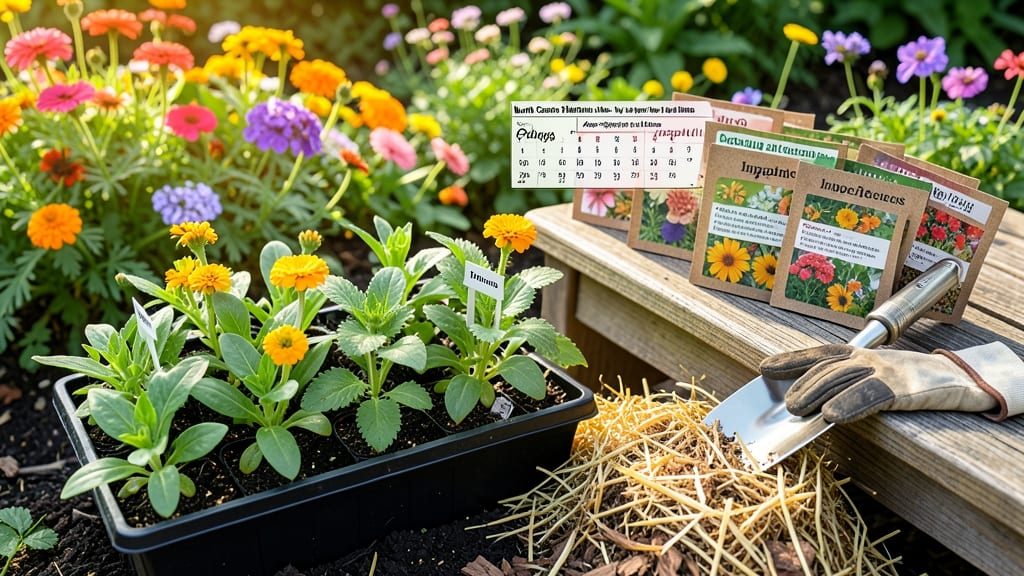
Timing your flower planting in North Carolina isn’t just about picking a month—it’s about working with the state’s wild swings from sweltering Piedmont summers to frost-prone mountain winters. Get it wrong, and you’ll either watch your 🌸 wilts melt in May heat or freeze before they bloom.
But nail the schedule, and you’ll unlock a garden that bursts with color year after year, no matter if you’re in the humid Coastal Plain or the cooler Appalachian foothills.
Here’s the secret: North Carolina’s USDA Zones 6a-8b mean your neighbors’ perfect timing might be your gardening disaster. What thrives in Zone 7a’s early springs could rot in Zone 8b’s lingering warmth.
I’ll break down exactly when to plant everything from azaleas to petunias—plus how to adjust for your specific corner of the state—so you’re never left guessing when the last frost will strike or when those bulbs should hit the soil.
Let’s start with the non-negotiables: the best months to plant in your zone, how to prep your soil for NC’s clay-heavy patches, and which flowers actually want the heat.
Whether you’re dreaming of summer petunias or fall mums, you’ll leave here with a clear deadline—no more “I’ll plant it when it feels right” excuses. Your future self (and your garden) will thank you.
Ready to turn your yard into a showstopper? I’ll walk you through the exact steps to time your plantings like a pro—so you’re not scrambling when the first azalea bud pops in April or the last petunia needs a fall hug before winter sets in.
Let’s get those flowers in the ground the right way, the first time.
North Carolina flower planting calendar by USDA zones 7a-8b
North Carolina’s diverse climate—from the Coastal Plain’s humidity to the Mountains’ cooler temps—means planting times vary wildly. Understanding your USDA Zone (7a-8b) is key to avoiding frost damage or wilting in summer heat.
For example, Zone 7a (western NC) has a later last frost (April 15) than Zone 8b (eastern NC, March 15).
Most annual flowers (like petunias and marigolds) thrive when planted 2-4 weeks after your last frost date. Perennials (e.g., daylilies, coneflowers) often go in early spring or fall to establish roots before extreme weather. Bulbs like tulips and daffodils need a 6-8 week head start before frost returns.
Here’s how NC’s zones break down for optimal planting:
Spring planting in Zone 7a starts earlier than you’d think—late February for tender annuals like marigolds and cosmos in containers. In Zone 8b, you can even plant warm-season flowers (e.g., sunflowers) as early as mid-February under frost cloth.
For fall planting, aim for 6-8 weeks before first frost (typically September-October in most zones).
North Carolina’s humidity and summer heat demand extra prep. Amend clay-heavy Piedmont soil with compost to improve drainage, and mulch Coastal Plain beds to retain moisture. Mountain gardens benefit from windbreaks to protect delicate blooms like azaleas.
Don’t overlook fall planting—it’s ideal for perennials and bulbs to establish roots before winter. In Zone 7a, plant tulips by October 15; in Zone 8b, extend to November 1. Cool-season annuals like pansies and snapdragons thrive when sown August-September.
Use this 3-step
Best flower varieties for North Carolina seasons and when to plant them
North Carolina’s diverse climate—from the humid Coastal Plain to the cool Appalachian Mountains—means your flower choices should match the season. I’ve curated top-performing varieties that thrive in NC’s USDA Zones 7a-8b, along with their ideal planting windows to maximize blooms.
For spring bloomers, like azaleas and daffodils, plant bulbs in fall (October-November) and seeds in early spring (March). These hardy flowers handle NC’s late frosts and reward you with early color when other gardens are still bare.
🌸 Spring Stars
- Azaleas – Plant October-November (bare-root) or March-April (container-grown). Thrives in acidic soil (pH 4.5-6.0) and partial shade.
- Daffodils – Bulbs go in September-October, 6-8 weeks before frost. Deer-resistant and drought-tolerant once established.
- Black-Eyed Susans – Sow seeds March-April or transplant September-October. Full sun lovers with long bloom seasons (June-October).
- Petunias – Start seeds indoors in February or transplant April-May after last frost. Heat-tolerant for NC summers.
- Daylilies – Divide and plant March-April or September-October. Perennial workhorses with minimal care.
Summer brings heat and humidity, so opt for heat-loving annuals like marigolds and sunflowers. Plant these after the last frost (mid-April to May) for bold, long-lasting blooms. Pro tip: Mulch heavily to retain moisture in NC’s clay-heavy soils.
For fall interest, mums and aster varieties shine. Plant potted mums in September for October-November color, or sow aster seeds in early spring (March) for late-summer to fall blooms. These cool-season flowers handle early frosts better than summer annuals.
Don’t overlook winter interest! Hellebores and winter jasmine add structure and color when most gardens sleep. Plant hellebores in fall (October) for early spring blooms, and winter jasmine in early spring (March) for fragrant clusters in late winter.
Remember: Soil prep is key in NC. Amend clay soils with compost before planting, and test pH—many native flowers (like azaleas) need acidic conditions. Adjust with sulfur or peat moss if needed.