
Plants
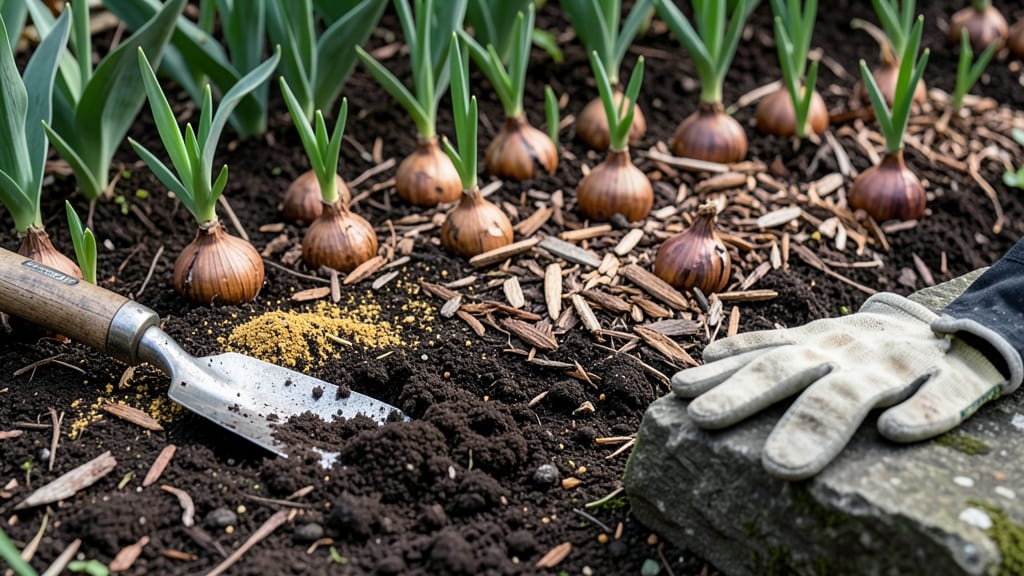
Most gardeners know fall is the magic window, but the exact dates depend on where you live. In USDA Zone 6a, like many northern regions, the ideal time stretches from October to November, giving bulbs time to root before the ground freezes.
Miss this window, and you risk weak or no blooms next year.
I’ve learned the hard way that rushing or waiting too long can mean the difference between a showstopping spring display and a sad, shriveled bulb. Let me walk you through the exact timing for your zone, plus pro tips to prepare soil and bulbs for winter survival.
Whether you’re a first-time planter or a seasoned gardener, these insights will help you avoid common mistakes—like planting too late or confusing tulips with spring-flowering bulbs—and set you up for a garden that pops with color come April.
The ideal fall planting window for tulips: exact dates by climate Zone
Tulips thrive when planted in fall, giving their bulbs time to root before winter. The perfect window depends on your USDA zone and last frost date.
Plant too early, and roots won’t establish; too late, and bulbs may freeze. Let’s break it down by climate zone so you never miss the mark.
Most gardeners aim to plant 4-6 weeks before the ground freezes. This ensures bulbs develop strong roots but don’t sprout prematurely. In northern climates (zones 3-5), this usually means late September to early November.
For warmer zones (6-10), extend the window to October through December—just avoid planting when soil temps drop below 50°F (10°C).
🌷
| USDA Zone | Ideal Planting Window | Soil Temp Threshold | Key Risk |
|---|---|---|---|
| Zones 3-5 (Cold Winters) | Late September – Early November | Above 50°F (10°C) | Frost before rooting |
| Zones 6-7 (Moderate Winters) | October – Mid-November | Above 55°F (13°C) | Premature sprouting |
| Zones 8-10 (Mild Winters) | November – December | Above 60°F (16°C) | Weak root growth |
For example, in Zone 5, aim for mid-October—this gives bulbs 6 weeks to root before the first frost. In Zone 9, December planting is safer than November, as soil stays warmer longer. Always check your local last frost date and adjust by 4-6 weeks backward.
Pro tip: Use a soil thermometer to confirm temps. If soil drops below 50°F (10°C), bulbs may rot before winter. In dry climates, water deeply after planting to encourage root growth, even if rain isn’t forecasted.
🌡️
Regional variations matter too. In Pacific Northwest (Zone 7-8), plant in late October to avoid soggy, overwatered soil. In the Midwest (Zone 5), prioritize early November to beat early frosts. Southern Zone 9-10 gardeners can plant as late as early December, but bulbs may bloom later or weaker.
Missed the fall window? Don’t panic—spring planting can work in warmer zones (8-10), but success rates drop dramatically. We’ll cover that in the next section, but for now, focus on fall timing for the best results.
📅
The ideal fall planting window for tulips: exact dates by climate Zone
Timing your tulip planting is everything—get it wrong, and your bulbs may freeze or rot before spring. The ideal window is 4-6 weeks before your first hard frost, when soil temps drop to 50-60°F (10-15°C).
This ensures roots establish before winter dormancy. Miss this window, and you risk frozen bulbs or weak blooms next year.
Northern climates (USDA zones 3-5) need to plant by mid-October, while southern zones (6-10) can wait until late November. Check your local average first frost date—this is your deadline. For example, in zone 6a, aim for October 15-November 1.
| USDA Zone | Optimal Planting Window | Soil Temp Threshold | Key Risk |
|---|---|---|---|
| 3-4 | September 15-October 15 | 45-55°F (7-13°C) | Early frost |
| 5-6 | October 1-November 1 | 50-60°F (10-15°C) | Soil too warm |
| 7-8 | November 1-December 1 | 55-65°F (13-18°C) | Late blooms |
| 9-10 | December 1-January 15 | 60-70°F (15-21°C) | Minimal frost risk |
Pro tip: Use a soil thermometer to confirm temps. Aim for 60°F (15°C) or cooler—warmer soil can trigger premature sprouting, leaving bulbs vulnerable to frost. In zone 6a, where I garden, I plant by October 20 to avoid this pitfall.
Don’t panic if you’re late! Planting in early December still works in mild zones (7+), but blooms may be smaller. The key is well-draining soil—this prevents rot even if bulbs sprout before winter. Mulch with 2-3 inches of straw after planting to insulate roots.
Watch for local microclimates too. A north-facing bed stays cooler longer, while a south-facing spot may need earlier planting. If your area has unpredictable frosts, err on the side of planting 2-3 weeks early rather than late.
Remember: Tulips need cold to bloom—planting too early in warm zones (like zone 9) can lead to floppy, weak stems next spring. Balance is key: cool enough to root, warm enough to avoid rot. 🌷