
Plants
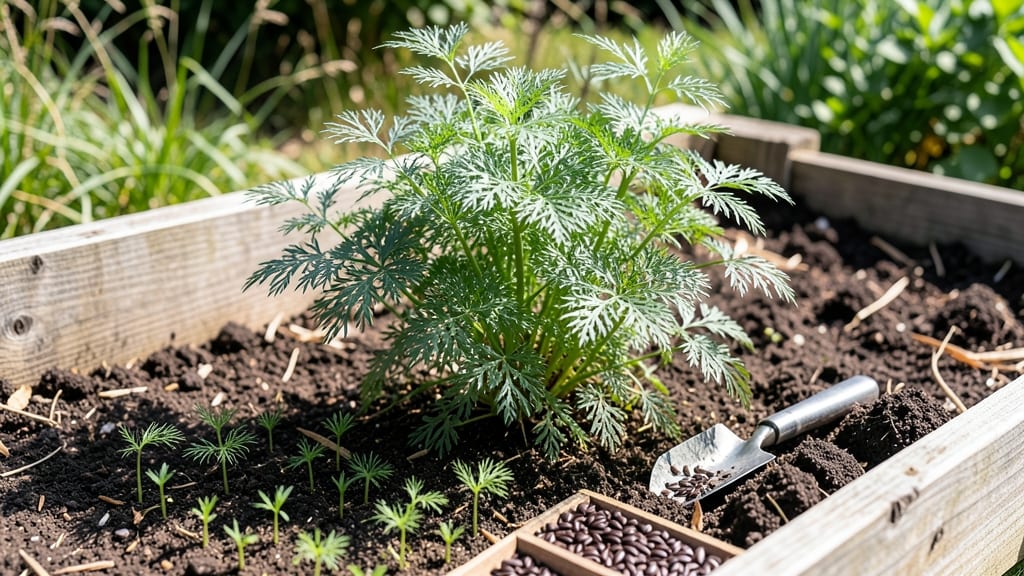
Timing your dill planting in Texas could mean the difference between a thriving 🌿 herb garden and a sad, wilted disappointment. The key isn't just about the calendar—it's about understanding your local heat zone and avoiding both frost and scorching summer sun.
For most of Texas, including zones 8a-10b, the sweet spot is late winter to early spring (February-March) or early fall (August-September). Plant too early, and a late frost might zap your seedlings; too late, and the brutal summer heat will stunt their growth before they even get started.
I've learned the hard way that dill loves cooler temperatures but can't handle the Texas heat wave. The secret is working with your region's microclimates—whether you're in North Texas, Central Texas, or down South. Let me show you exactly how to time it right for your specific area.
You'll discover how to extend your growing season, avoid common mistakes, and keep your dill happy from seed to harvest. Ready to grow lush, flavorful dill that lasts all season? Let's get started.
Texas heat zones explained: best planting months for dill by region
Texas spans USDA hardiness zones 8a through 10b, meaning the perfect planting window for dill varies dramatically from the Panhandle to South Texas.
In North Texas (Dallas/Fort Worth, zone 8a), late frosts can linger until mid-March, while South Texas (Houston/Corpus Christi, zone 9b-10a) enjoys frost-free conditions year-round. This means your ideal planting months could range from February to April in the north to September to November in the south.
Dill thrives in cool to moderate temperatures—below 85°F—and struggles in Texas summers when temps exceed 90°F for extended periods. The key is planting when your region’s last frost date has passed but before peak summer heat sets in.
For most Texans, this means late winter to early spring for spring harvests and early fall for fall crops.
Here’s how to match your local heat zone with the best planting window for dill:
| Region | USDA Zone | Last Frost Date | Best Planting Window | Harvest Time | Heat Risk |
|---|---|---|---|---|---|
| North Texas (Dallas/Fort Worth) | 8a | February 15 | March 1 - April 15 | April - May | High (summer) |
| Central Texas (Austin/San Antonio) | 8a-9a | February 1 - March 1 | February 15 - April 30 | March - June | Moderate (summer) |
| South Texas (Houston/Corpus Christi) | 9b-10a | January 31 | September 1 - November 15 | October - December | Low (fall/winter) |
| West Texas (El Paso/Midland) | 7b-8a | March 1 | April 1 - May 15 | May - June | Extreme (summer) |
If you’re in zone 8a or colder, focus on spring planting (March-April) and fall planting (August-September) to avoid summer’s 100°F+ heat waves. Gardeners in zones 9b-10a can enjoy two full harvests per year—spring and fall—by planting in September and February.
Pro tip: Use shade cloth in summer to protect dill from heat stress if you must plant
How to extend dill’s growing season in Texas: succession planting and heat hacks
Texas summers can turn your dill plants into sad, wilted shadows if you’re not careful. But with the right strategies, you can stretch your harvest from spring to fall—even in the 100°F+ heat.
The key? Succession planting and smart heat management. I’ve grown dill in Central Texas for years, and these tricks keep my plants thriving when others give up.
Start by planting dill seeds every 2-3 weeks from late February through early May. This staggered approach ensures you always have fresh foliage, even as older plants bolt in the heat. For fall harvests, begin sowing in August—just
📅 Late Feb – First sowing after last frost
📅 March 15 – Second batch for early summer harvest
📅 April 1 – Third planting for late summer
📅 August 1 – Fall starter with shade protection
📅 September 15 – Final sowing for October harvests
Heat is dill’s biggest enemy, but a few tweaks make all the difference. Mulch heavily with straw or wood chips to keep roots cool and retain moisture. I also use drip irrigation instead of overhead watering—this prevents fungal issues and keeps leaves dry during afternoon heat.
For extreme summers, a 30% shade cloth can buy you an extra month of growth.
Companion planting works wonders too. Pair your dill with cucumbers or lettuce, which thrive in similar conditions and help shade the soil. Avoid planting near carrots or onions, though—their competing needs can stress your dill.
And always harvest leaves in the morning when oils are most potent and plants are hydrated.
Watch for heat stress signs like yellowing leaves or stunted growth. If you see these, move plants to a shadier spot immediately and increase watering slightly. With these adjustments, I’ve had dill growing strong into November—long after most gardeners have given up.
The secret? Adaptability and a little extra care when Texas heat ramps up.
Don’t let summer shut down your dill harvest. With these heat hacks, you’ll enjoy fresh, fragrant leaves from spring through fall—no matter where in Texas you garden. 🌿