
Plants
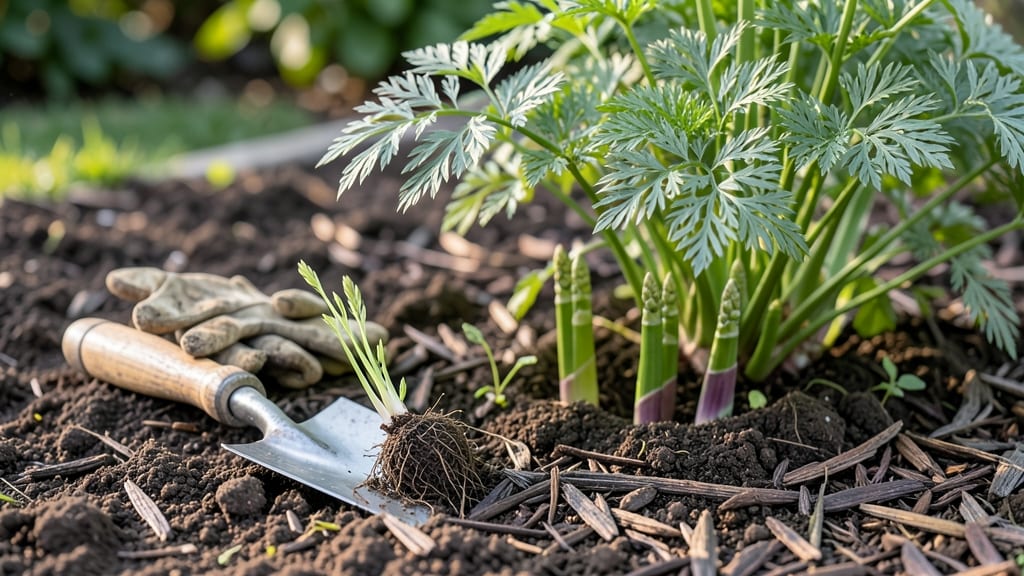
Timing your asparagus planting in North Texas can make the difference between a thriving garden and a wasted investment. The late winter to early spring window—typically February through March—is your best shot at establishing strong roots before the heat sets in.
Why does this matter? Asparagus crowns are delicate when first planted, and North Texas' unpredictable frost patterns can turn a good start into a total loss. I've seen firsthand how a well-timed planting leads to harvests in just a few years, while late plantings struggle to recover.
In this guide, I'll walk you through the exact frost-free window for your USDA Zone 7b-8a area, soil prep secrets, and how to protect your young plants from our infamous Texas heat. Whether you're a beginner or a seasoned gardener, these tips will help you grow asparagus like a pro.
Let's get your asparagus off to the right start—because once those spears emerge, you'll be hooked for life. Ready to dig in?
North Texas asparagus planting dates: frost-free window for success
Timing your asparagus planting in North Texas means the difference between a thriving perennial crop and a failed investment. Since asparagus crowns take 3-4 years to establish, getting the timing right is critical.
The ideal window aligns with soil warming and frost risks—typically February through March—but regional microclimates add nuance.
North Texas spans USDA Zones 7b-8a, where average last frost dates range from mid-March in Dallas to early April near Wichita Falls. Planting too early risks frost damage to young crowns, while waiting too long delays root establishment.
The key is planting when soil temperatures reach 50°F (10°C)—usually by late February in most areas.
Pro Tip: Use a soil thermometer to confirm readiness. For Dallas-Fort Worth, aim for February 20-March 15; in West Texas, wait until March 1-April 1 due to later frost dates. Fall planting is not recommended in this region due to high humidity and fungal risks.
North Texas Asparagus Planting Timeline
| Stage | Action | Soil Temp | Notes |
|---|---|---|---|
| Soil Prep | Test pH (6.5-7.5), amend with compost | 40-50°F | Do 4-6 weeks before planting |
| Planting Window | Crowns 6-8" deep, 12-18" apart | 50-60°F | Feb 20-Mar 15 (DFW), Mar 1-Apr 1 (West TX) |
| First Year | No harvest; focus on root growth | Varies | Keep soil moist, mulch heavily |
| Harvest Window | March-May (Years 3+) | 60-75°F | Harvest spears 6-8" tall |
Understanding North Texas' frost patterns is crucial. While the average last frost is March 15, microclimates near bodies of water (like Lake Lewisville) can delay frost by 1-2 weeks.
Conversely, higher elevations (like Denton) may experience frost until March 25. Always check the National Weather Service for your specific area.
For gardeners in East Texas (near Tyler or Longview), where humidity is higher, prioritize well-draining soil to prevent crown rot. In West Texas (near Amarillo), focus on mulching to retain moisture during the hot, dry summers that follow planting.
Both regions benefit from raised beds if your native soil is heavy clay.
One common mistake is planting asparagus too late in April, which forces the plant to establish roots during North Texas' scorching summers. Crowns planted in April often struggle to recover from heat stress and may produce fewer spears in their first harvest year.
If you miss the ideal window, consider container growing for better control over soil conditions.
North Texas' summer heat (often exceeding 95°F) isn't the main concern for asparagus—it's the transition periods. The plant thrives in full sun but needs consistent moisture during the first two growing seasons. After establishment, asparagus is drought-tolerant, making it ideal for Texas' low-water landscapes once mature.
For those in North Central Texas (like Waco or Killeen), consider planting Jersey Knight or Purple Passion varieties, which handle Texas' heat better than traditional Mary Washington. These varieties also produce earlier harvests, giving you a 2-3 week advantage in the March-May window.
Remember: Asparagus is a perennial investment
How to prepare North Texas soil for asparagus crowns before planting
Asparagus thrives in well-draining, nutrient-rich soil with a slightly acidic to neutral pH. In North Texas, our clay-heavy soils often need amendments to prevent waterlogging, which can rot asparagus crowns. Start soil prep 4-6 weeks before planting to give amendments time to integrate.
First, test your soil's pH level—asparagus prefers 6.5 to 7.5. If your soil is too acidic, add lime; if alkaline, incorporate sulfur or peat moss. North Texas soils often lean alkaline, so peat moss or composted pine bark works well to lower pH naturally.
Next, enrich the soil with organic matter. Work in 3-4 inches of compost or well-rotted manure into the top 12 inches of soil. This boosts fertility and improves soil structure. For heavier clay soils, consider adding perlite or vermiculite to enhance aeration.
Asparagus crowns need deep, loose soil to spread their roots. Use a broadfork or tiller to loosen the soil to a depth of 12-18 inches. Avoid compacting the soil further, as this restricts root growth and can lead to poor spear production.
Finally, consider adding a balanced fertilizer like 5-10-10 at planting time. This provides essential nutrients for root establishment. Avoid high-nitrogen fertilizers early on, as they encourage leafy growth over spear production in the first year.
Once your soil is prepped, mulch heavily with straw or wood chips to retain moisture and suppress weeds. This is especially important in North Texas's hot, dry summers, where mulch helps maintain consistent soil moisture for young plants.