
Plants
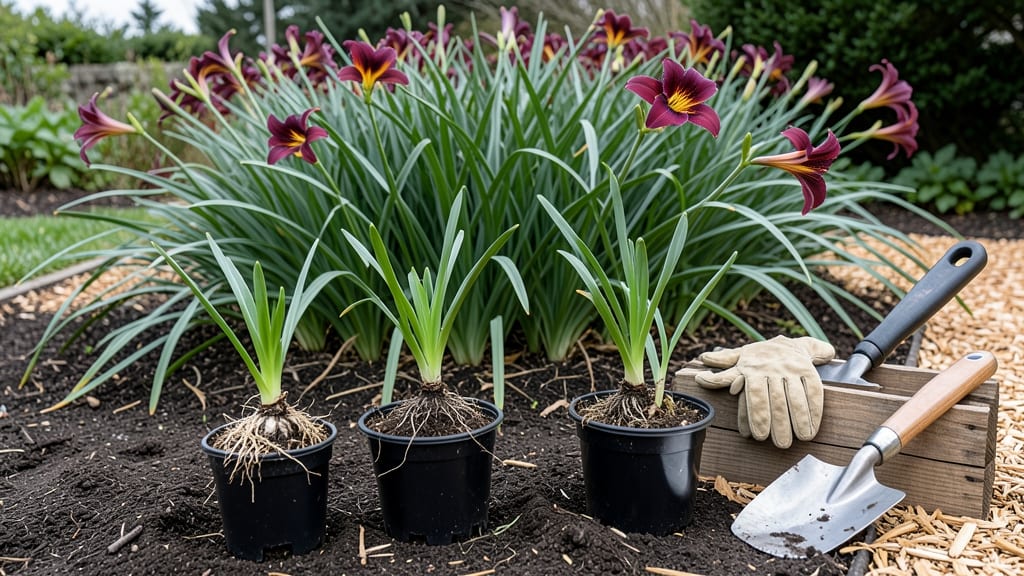
Timing your daylily planting in Georgia can mean the difference between a vibrant garden bursting with 🌸 color and a season of disappointment. With Georgia's 7b-8b climate zones and unpredictable frost patterns, getting those roots in the ground at the right moment is absolutely critical.
Most gardeners assume spring is the only option, but fall planting actually gives your daylilies a head start for next year's blooms. The key window runs from early March through April for spring, or September through October for fall—just before those first chilly nights arrive.
Why does this timing matter so much? Because daylilies need 6-8 weeks to establish strong roots before winter sets in. Plant too late, and frost can damage tender new growth before it even has a chance to take hold.
I'll walk you through exactly how to read Georgia's frost dates, which months work best for your specific region, and the simple soil prep tricks that make all the difference. Let's get those daylilies thriving before the first frost hits!
Georgia’s frost-free window: best months to plant daylilies
Georgia’s USDA zones 7b-8b create a unique challenge for daylily gardeners. While our winters are mild, unpredictable frost dates—especially in the North Georgia mountains—mean timing is everything. Plant too early, and your daylilies may bolt before winter; too late, and frost can damage tender roots before they establish.
For zero-frost survival, focus on Georgia’s 6-week frost-free window before the average first frost date (typically mid-November). This means your best planting windows are early spring (March-April) and early fall (September-October), with adjustments based on your exact location.
Atlanta gardeners (Zone 7b) have a slightly shorter window than Savannah (Zone 8a), where late fall planting can extend into early November. Rural areas with higher elevations may need to plant 2-3 weeks earlier to avoid frost risk.
Always check your local frost date averages—your county extension office is a great resource.
| Region | USDA Zone | Best Planting Window | Frost Risk |
|---|---|---|---|
| North Georgia (Atlanta) | 7b | March 15-April 15 or Sept 15-Oct 15 | Moderate (earlier frosts possible) |
| Central Georgia (Macon) | 8a | March 1-April 30 or Sept 1-Oct 31 | Low (milder winters) |
| South Georgia (Savannah) | 8b | February 15-April 15 or Sept 15-Nov 1 | Very Low (rare frosts) |
| Mountain Regions (Dahlonega) | 6b-7a | April 1-May 1 or Sept 1-Sept 30 | High (earlier, harder frosts) |
Spring planting in Georgia offers longer daylight hours and warmer soil temperatures, giving daylilies a head start. Aim for March-April when soil temps reach 50°F (10°C)—this ensures roots establish before summer heat arrives.
In North Georgia, wait until after your average last frost date (March 15) to avoid cold snaps.
Fall planting is my personal favorite for Georgia gardens because it allows daylilies to settle roots before winter. Plant in September-October when soil is still warm but nights cool—this gives them 6-8 weeks to establish before dormancy.
Avoid planting after October 15 in most zones, as roots may not harden off before frost.
For container-grown daylilies, you have 2 extra weeks of flexibility in both seasons. Containers warm up faster in spring and retain heat longer in fall, making them ideal for urban gardeners or those with microclimate challenges.
Just ensure pots have drainage holes to prevent root rot during Georgia’s humid summers.
Pro tip: If you’re in Zone 7b or cooler, consider mulching heavily after fall planting. A 4-inch layer of straw or pine needles can protect roots down to 10°F (-12°C), giving your daylilies an extra buffer against late frosts.
This is especially helpful for newly planted divisions that haven’t built up winter hardiness yet.
Remember, daylilies are perennials, so they’ll come back year after year if planted correctly. The key is giving them time to establish roots before extreme temperatures—whether that’s summer heat or winter frost. With Georgia’s climate, patience in planting pays off with years of low-maintenance blooms. 🌸
How to extend your daylily season: fall vs. spring planting strategies
Georgia’s mild winters and long growing season give you two prime windows to plant daylilies—spring and fall—but each has unique advantages. Spring planting (March-April) aligns with the active growth phase, while fall planting (September-October) lets roots establish before winter.
The choice depends on your local microclimate and bloom timing goals.
For earlier blooms, fall-planted daylilies often outperform spring-planted ones because they’ve had months to root deeply before summer heat arrives. However, spring planting gives you more selection flexibility since nurseries stock a wider variety of daylily cultivars in early spring.
Let’s break down the pros and cons of each approach.
🌸 Fall Planting (September-October)
- Roots establish before summer heat
- Earlier blooms next season
- Less competition from weeds
- Limited nursery stock
- Risk of frost damage if planted too late
- Soil may still be warm, slowing root growth
🌱 Spring Planting (March-April)
- Wider variety of daylilies available
- Avoids late-season frost risks
- Soil is warmer, encouraging faster growth
- Blooms may be delayed by 1-2 weeks
- More weed competition early in the season
- Requires consistent watering during establishment
If you’re in North Georgia (USDA Zone 7b), aim to plant daylilies by October 15 in fall to avoid early frost. In South Georgia (Zone 8b), you can push planting to mid-November with minimal risk.
For spring planting, wait until after the last frost date (typically mid-April in most regions) to ensure roots don’t freeze.
Pro tip: Test your soil temperature before planting. Daylilies thrive when soil is between 60-70°F—ideal for fall planting in Georgia. Use a soil thermometer to check; if temperatures drop below 50°F, delay planting until conditions improve.
Mulching with 3-4 inches of straw after planting can also protect roots from temperature swings.
For maximum bloom impact, consider planting a mix of both seasons. Start with spring-planted daylilies for immediate color, then add fall-planted varieties to extend your blooming season into late summer. This strategy ensures your garden stays vibrant from June through September with minimal gaps.
Remember, daylilies are perennials, so proper planting timing now means years of low-maintenance color. Whether you choose fall or spring, focus on well-draining soil and full sun to set your daylilies up for success. Happy planting!