
Plants
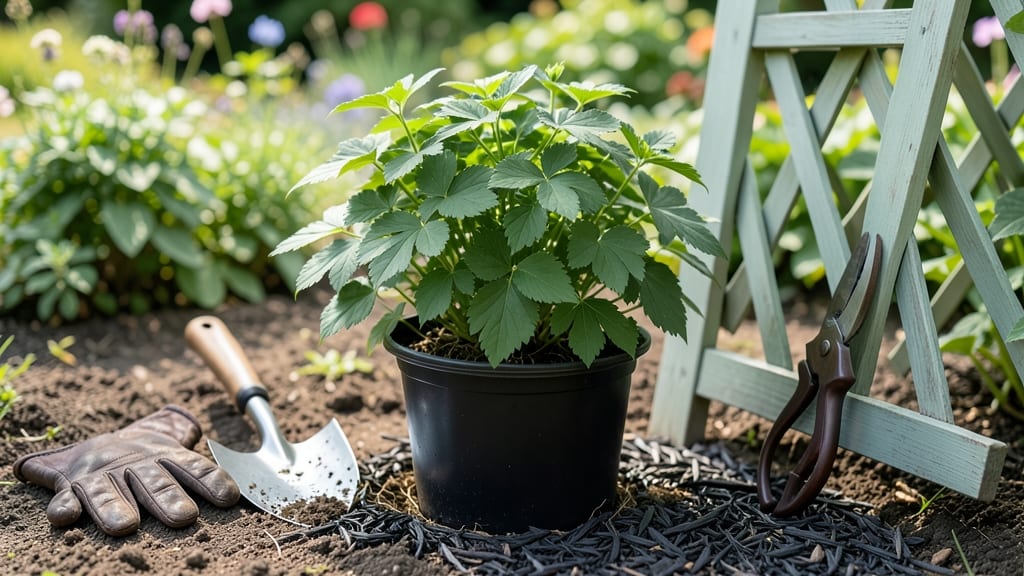
Timing your clematis planting in Colorado could mean the difference between a show-stopping 🌸 display and a frost-killed vine before it even takes root. With our 5-7 USDA zones and elevation swings from plains to mountains, getting it right takes more than just following a generic calendar.
Most gardeners assume spring is the only safe window, but Colorado’s early frosts and late snowmelt can turn that strategy into a gamble. I’ve seen firsthand how fall planting—when soil temps drop but roots still establish—can give clematis a head start on survival.
The key? Knowing your exact last frost date and adjusting for altitude.
In this guide, I’ll break down the exact months that work best for Colorado’s varied climates, plus soil prep secrets to ensure your clematis thrives from day one. Whether you’re in Denver or the Rockies, these tips will help you avoid common mistakes that leave plants struggling.
Ready to plant with confidence? Let’s dive into the science—and the Colorado-specific tweaks—that make all the difference for your 🌸 vines’ long-term health. Your future blooms will thank you.
Optimal planting months for clematis in Colorado’s climate zones
Colorado’s USDA hardiness zones 4-7 create a complex puzzle for clematis planting. Unlike coastal regions, our elevation shifts—from Denver’s 5,280 feet to mountain towns at 8,000+ feet—directly impact frost dates and soil warming.
Planting too early risks late-spring frosts, while waiting too long may stunt root growth before winter. The key? Align your timeline with local last-frost averages and soil temperature thresholds.
For most Colorado gardeners in zones 5-6 (covering Denver, Fort Collins, and Boulder), the ideal window spans March 15 to April 30 for spring planting. This gives roots 6-8 weeks to establish before summer heat arrives.
In higher elevations (zones 4-5), like Steamboat Springs or Leadville, shift your focus to late April through May 15 to avoid the extended cold snaps common in these areas.
Fall planting offers a second chance for Colorado gardeners. Aim for September 1 to October 15 in zones 6-7, but adjust to mid-September through early October in zones 4-5.
The goal is to allow roots to establish before first frost, which typically hits Colorado between October 15 and November 1, depending on elevation.
Pro Tip: Use Colorado State University’s Frost Free Date Calculator (https://www.colostate.edu) to pinpoint your exact last frost date. For example, Denver’s average last frost is April 15, while Aspen’s is May 1. Planting 2-3 weeks after these dates minimizes frost risk while maximizing root growth.
Soil temperature is just as critical as air temperature. Clematis roots need consistent soil temps above 50°F to thrive. In Colorado, this usually aligns with mid-to-late April for lowlands and late May for mountain regions. Use a soil thermometer to verify—planting when soil hits 55°F+ ensures faster root establishment.
| Zone | Spring Planting Window | Fall Planting Window | Soil Temp Threshold | Key Elevation Notes |
|---|---|---|---|---|
| 4 (e.g., Leadville) | Late April – May 15 | Mid-Sept – Early Oct | 55°F+ (late May) | High elevation delays; use row covers for early plants |
| 5 (e.g., Fort Collins) | March 30 – April 30 | Sept 15 – Oct 10 | 50°F+ (mid-April) | Moderate elevation; watch for late frosts |
| 6 (e.g., Denver) | March 15 – April 15 | Sept 1 – Oct 15 | 50°F+ (early April) | Urban heat islands warm soil faster |
| 7 (e.g., Colorado Springs) | March 1 – April 10 | Sept 15 – Nov 1 | 48°F+ (late March) | Drier climate; water deeply after planting |
Colorado’s microclimates can create 10°F+ temperature swings within 50 miles. For example, Boulder’s urban heat may allow earlier planting than nearby Longmont’s rural areas. When in doubt, observe local cherry blossom blooms—they’re a natural indicator that frost risk has passed in most zones.
Another Colorado-specific trick: plant in containers if your area has unpredictable frosts. Containers warm faster in spring and can be moved to protected microclimates (like south-facing walls) during cold snaps. Just ensure containers have drainage holes to prevent root rot—a common issue in Colorado’s clay-heavy soils.
For mountain gardeners (zones 4-5), consider delayed spring planting until after June 1 if early frosts are likely. Clematis planted in late spring often outperform fall-planted vines in high-altitude areas, thanks to Colorado’s short growing season. The trade-off? You’ll see first blooms 1-2 years later.
Remember: Clematis roots establish best in cool soil, not warm. In Colorado’s dry climate, water thoroughly 1-2 weeks before planting to raise soil moisture levels. This mimics the consistent moisture clematis prefers during root development.
🌸
Optimal planting months for clematis in Colorado’s climate zones
Colorado’s USDA zones 4-7 create unique challenges for planting clematis—from Denver’s 10,000-foot elevation to mountain towns with earlier frost dates. The key is aligning your planting window with your zone’s last frost date and soil temperature thresholds.
Most Colorado gardeners succeed by planting in early spring (March-April) or early fall (September-October), but timing shifts dramatically with elevation.
For lowland areas (zones 6-7), like Colorado Springs or Boulder, aim for March 15-April 15 in spring or September 15-October 15 in fall. These zones enjoy longer frost-free periods (150+ days), giving clematis roots time to establish before winter.
In contrast, high-elevation zones (4-5), such as Steamboat Springs or Aspen, should delay planting until after May 1 or plant in late August to avoid early snow.
| USDA Zone | Last Frost Date | Spring Planting Window | Fall Planting Window | Soil Temp Threshold |
|---|---|---|---|---|
| 4 (e.g., Steamboat) | May 15 | May 15-June 1 | Late August-Sept 15 | 50°F+ for 10+ days |
| 5 (e.g., Fort Collins) | April 20 | April 15-May 15 | Sept 1-Oct 15 | 50°F+ for 7+ days |
| 6-7 (e.g., Denver, Colorado Springs) | April 15 | March 15-April 15 | Sept 15-Oct 15 | 45°F+ for 5+ days |
Pro tip: Use a soil thermometer to confirm 50°F soil temperatures—this is your green light to plant. In zone 5-7 areas, I’ve found that planting in late March (when daffodils bloom) signals safe conditions.
For high-altitude zones, wait until after peonies finish blooming—this natural marker aligns with warmer soil.
Colorado’s diurnal temperature swings (hot days, cold nights) can stress young clematis plants. To mitigate this, I recommend mulching heavily (4-6 inches) with straw or wood chips after planting. This insulates roots and retains moisture, which is critical during Colorado’s dry spring winds.
For container-grown clematis, delay planting until soil temps stabilize—containers heat up faster and can scorch delicate roots.
If you miss the ideal window, don’t panic. Clematis is perennial and can handle one late planting in spring, but avoid planting after June 1—new growth won’t harden off before winter. For fall plantings, stop by October 1 to allow roots to establish before dormancy.
In zone 4 areas, I’ve had success planting in late August with row covers for the first frost.
Remember: Elevation trumps calendar dates. A 6,000-foot elevation in Colorado Springs may align with zone 6 timing, while the same latitude at 9,000 feet in the Rockies could be zone 4. Check your local CoCoRaHS station for hyper-local frost data—this precision makes all the difference for clematis survival.