
Planting
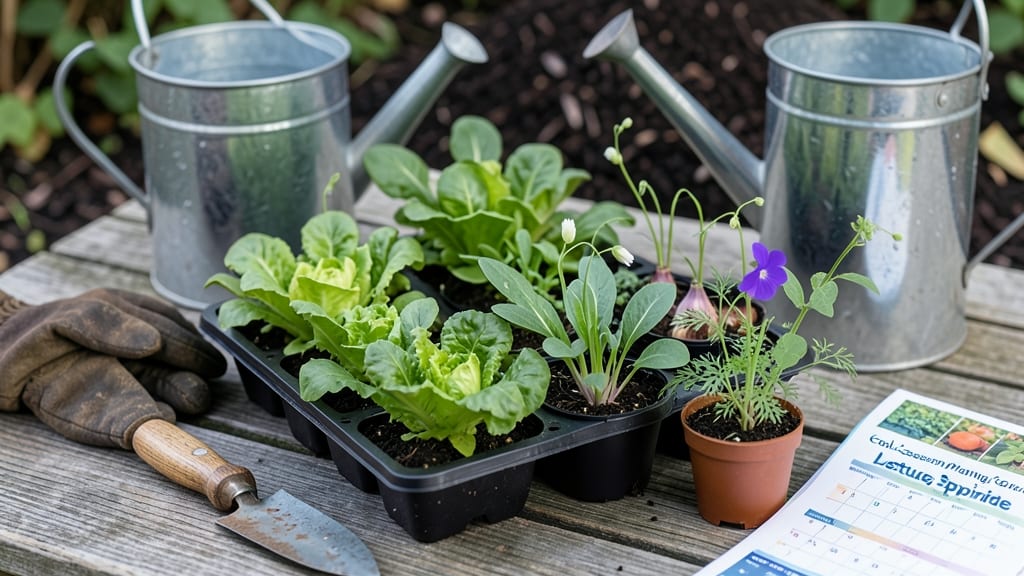
When to plant a garden in Utah isn’t about following a one-size-fits-all calendar—it’s about mastering the microclimates that turn a good harvest into a great one. Whether you’re in the high desert’s dry heat or the Wasatch Front’s cooler valleys, planting too early or too late can mean the difference between a thriving 🌱 and a failed crop.
I’ve spent years testing what works in Utah’s USDA Zones 4-9, and the key isn’t just knowing when frost strikes—it’s understanding how elevation, soil, and even your neighborhood’s microclimate shift those deadlines.
Skip the guesswork and learn the exact windows for cool-season crops in March or heat-lovers like tomatoes in May, tailored to your corner of the state.
From St. George’s Zone 8 to Park City’s Zone 5, we’ll break down the science behind Utah’s unpredictable frost patterns and how to adjust for alkaline soils that drain faster than you’d expect. No more wasted seeds or wilting plants—just a garden that aligns with your local climate.
Ready to stop playing roulette with your planting dates? Let’s dive into the actionable calendar that’ll have your garden flourishing from spring to fall, no matter where in Utah you’re growing.
Utah’s frost-free planting zones: when to start seeds indoors vs. direct sowing outdoors
Utah’s USDA Plant Hardiness Zones 4-9 create wildly different planting windows—what works in St. George (Zone 8) will fry in Logan (Zone 5). The key to success? Knowing your last frost date and matching it to your crops.
In Salt Lake City (Zone 6), the average last frost is April 15, while Park City (Zone 5) holds onto frost until May 10. These dates determine whether you’ll start seeds indoors or sow directly outside.
For cool-season crops like lettuce and peas, I always start seeds indoors 6-8 weeks before the last frost.
In Zone 6, that means February 20 for lettuce—give it a head start indoors before transplanting. Warm-season crops like tomatoes and peppers need even more patience: begin seeds indoors 8-10 weeks before your last frost (around March 10 in Salt Lake City).
Direct sowing outdoors is trickier—wait until soil temps hit 50°F (10°C) for cool crops or 60°F (15°C) for warm ones. In Utah’s high desert, soil warms faster than valleys, so St. George gardeners can plant 2 weeks earlier than Wasatch Front residents.
Always check USU Extension’s frost data for your exact location, as microclimates vary even within cities.
🌱 Utah Planting Zones Summary
| Zone | Last Frost | Start Cool Crops Indoors | Direct Sow Cool Crops | Start Warm Crops Indoors |
|---|---|---|---|---|
| Zone 4 (Logan) | May 10 | March 15 | May 15 | March 1 |
| Zone 5 (Park City) | May 1 | March 10 | May 1 | February 20 |
| Zone 6 (Salt Lake City) | April 15 | February 20 | April 15 | March 10 |
| Zone 7 (Provo) | April 1 | February 15 | April 1 | March 1 |
| Zone 8 (St. George) | February 15 | January 15 | February 15 | January 1 |
Pro tip: Use black plastic mulch in cooler zones to warm soil 5-10°F faster. I’ve seen it shave 2 weeks off the planting window in Zone 5 gardens. Just
Utah’s first frost dates are just as critical. In Zone 6, expect frost October 15, while Zone 8 holds out until November 15. This means fall planting of cool crops like kale and spinach can continue until September 1 in most areas. Always have row covers ready to protect late-season plants from unexpected cold snaps—especially in valleys where cold air pools.
For perennials and shrubs, timing matters too. Plant in early spring (March-April) when soil is workable but before summer heat stress. In Utah’s alkaline soils, I always amend with compost and gypsum to improve drainage—this gives roots a head start before our low
Microclimate-specific planting deadlines: high desert vs. mountain valleys
Utah’s extreme elevation shifts create wildly different planting deadlines. In St. George (Zone 8), where summers scorch, you can plant tomatoes and peppers as early as March 15, while Logan (Zone 5) gardeners must wait until May 1 to avoid frost.
These differences aren’t just about dates—they’re about soil warmth and heat tolerance.
The high desert (like Moab or Cedar City) warms faster but loses moisture quicker, while mountain valleys (like Park City or Ogden) stay cooler longer. This means succession planting works better in the desert, while row covers become essential in cooler zones to extend the season.
🌱
| Region | USDA Zone | Last Frost Date | First Planting Window | Key Adjustment |
|---|---|---|---|---|
| St. George | 8 | March 15 | March 15 (peppers), April 1 (tomatoes) | Shade cloth for seedlings |
| Salt Lake City | 6 | April 20 | April 20 (cool crops), May 15 (warm crops) | Black plastic mulch for warmth |
| Logan | 5 | May 1 | May 1 (cool crops), June 1 (warm crops) | Row covers for late frost protection |
| Park City | 4 | May 15 | May 15 (cool crops), July 1 (warm crops) | Cold frames for early starts |
For St. George gardeners, focus on heat-resistant varieties like 'Solar Fire' peppers or 'Heatmaster' tomatoes. In cooler zones, prioritize fast-maturing crops such as bush beans or 'Early Girl' tomatoes, which can reach harvest before the first frost in September.
Soil temperature matters more than air temperature. Use a soil thermometer—aim for 60°F+ before planting warm-season crops. In high-desert areas, this might mean waiting until late April, while mountain valleys may need to push planting to June.
🌿 If you’re in transition zones like Provo or Orem (Zone 6-7), split your planting: start cool crops in March and warm crops in mid-May. This staggered approach ensures a continuous harvest and minimizes risk.
✂️ Pro tip: Test your soil in early spring—Utah’s alkaline soils often need gypsum or sulfur to adjust pH. Amend beds 4-6 weeks before planting to give microbes time to break it down.