
Plants
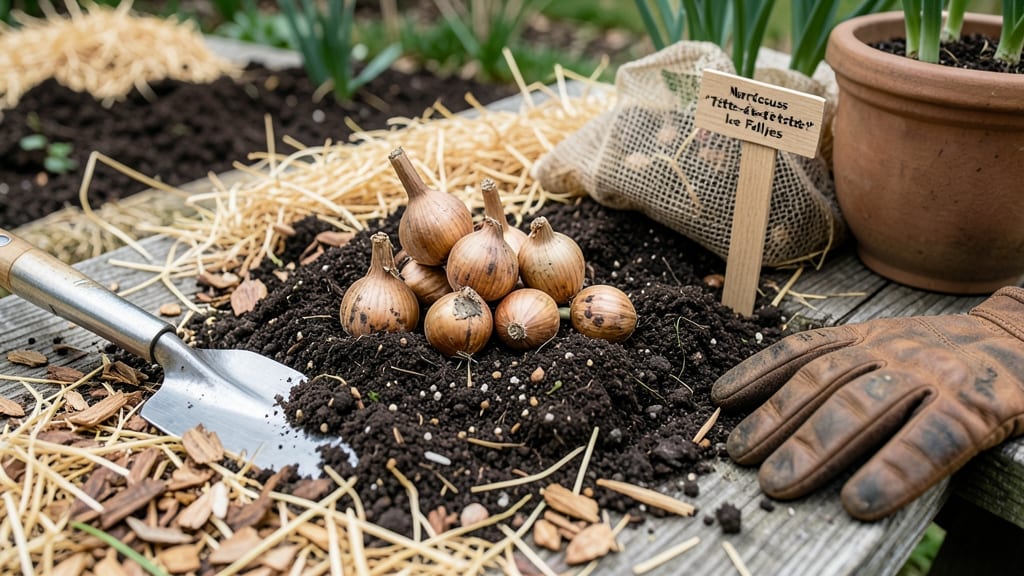
Timing your daffodil planting in Washington State could mean the difference between a vibrant spring garden and wasted bulbs. With coastal regions like the Puget Sound and drier inland areas having wildly different frost patterns, getting the schedule right is everything.
Most gardeners in 6b-8b zones swear by fall planting—typically between October and December—to give roots time to establish before winter. But in Eastern Washington, where first frosts hit as early as mid-September, you’ve got a narrower window to act.
Let’s break down the exact timing for your specific corner of the state.
You’ll also discover how soil temperature, elevation, and even rainfall play a role in when to plant. Whether you’re in the maritime climate of Seattle or the arid Yakima Valley, these factors can shift your ideal planting date by weeks.
Ready to avoid common mistakes and ensure your 🌼 daffodils bloom like clockwork?
By the end, you’ll have a clear, region-specific planting plan—plus tips to prep your soil and choose the right varieties for your microclimate. No more guesswork, just stunning spring blooms.
Washington State daffodil planting calendar: coastal vs inland timing differences
Washington’s diverse microclimates create a 6-8 week difference in ideal daffodil planting between coastal Seattle and inland Spokane. In Western WA, milder winters mean you can plant until mid-November, while Eastern WA gardeners should finish by late October to avoid frost damage.
The key? Plant 6-8 weeks before your area’s first hard frost.
For Puget Sound gardeners, aim for October 1–November 15—this window ensures bulbs root before October’s average frost. In Eastern WA, where frosts hit earlier, September 15–October 31 is critical. High-elevation areas (like the Cascade foothills) may need to plant as early as mid-September.
Here’s how soil temperature plays a role: Daffodils need soil temps between 40–50°F for root growth. Coastal areas hit this in late September, while inland regions may wait until mid-October. Use a soil thermometer to confirm—planting too early in warm soil can trigger premature sprouting.
🌼
Spring planting is possible in Western WA (February–March) if you miss fall, but Eastern WA gardeners should avoid this—bulbs need 12–16 weeks of cool soil to bloom. For container gardening, plant 4–6 weeks earlier than ground planting, as pots cool faster.
Pro tip: Chill bulbs for 8–10 weeks in your fridge (40°F) before planting if you’re in a warmer microclimate (like San Juan Islands). This mimics natural winter conditions and ensures blooms.
🌱
If you’re in Zone 8b (coastal), you can even plant late November—just add 2–3 inches of mulch to insulate bulbs. But in Zone 5b (inland), wait until soil temps drop below 60°F or risk rot.
Always plant 3x bulb depth (typically 6–8 inches deep) for winter protection.
💧
5 Critical factors that determine your exact planting window
Planting daffodils in Washington State isn’t just about picking a month—it’s about understanding your microclimate. The Puget Sound region’s mild winters and high rainfall create a very different timeline than the Yakima Valley, where cold snaps arrive early.
Even within cities, elevation changes can shift your frost dates by weeks. Let’s break down the 5 key factors that dictate when you should plant.
First, soil temperature is your best guide. Daffodil bulbs need 60-65°F soil to start rooting. In Western WA, this happens by late September, while Eastern WA may not reach it until October 15.
Use a soil thermometer to confirm—planting too early in cold soil can cause rot. My rule? Wait until the ground feels like a warm cup of tea when pressed.
First-frost dates are your second clue. Plant bulbs 6-8 weeks before the ground freezes. In Zone 7b-8b (Western WA), that’s October-November, but in Zone 5b (Eastern WA), you’ll need to plant by mid-September. Check the USDA Plant Hardiness Map for your exact zone—it’s your planting passport!
Rainfall patterns matter too. Western WA’s wet winters mean bulbs can rot if planted too late. Aim for October planting to let roots establish before the December rains. In drier Eastern WA, you’ve got until November, but watch for early snow—bulbs need 4-6 weeks of root growth before winter.
Bulb hardiness varies by variety. Tete-a-Tete and Ice Follies thrive in Zone 3, while Paperwhite daffodils prefer Zone 7+. Check your bulb’s USDA zone rating—planting a Zone 5 bulb in Zone 8 may lead to weak blooms. I always double-check labels to avoid costly mistakes.
Finally, microclimates can shift your timeline by weeks. A south-facing slope warms faster than a north-facing yard, while urban areas stay warmer than rural spots. Observe your garden: Does frost linger in low spots? Does your yard stay dry longer? These clues help you fine-tune your planting schedule.
🌱 Pro Tip: If you’re unsure, plant a test bulb in early October—if it sprouts by November 1, your soil’s ready for the full batch!