
Plants
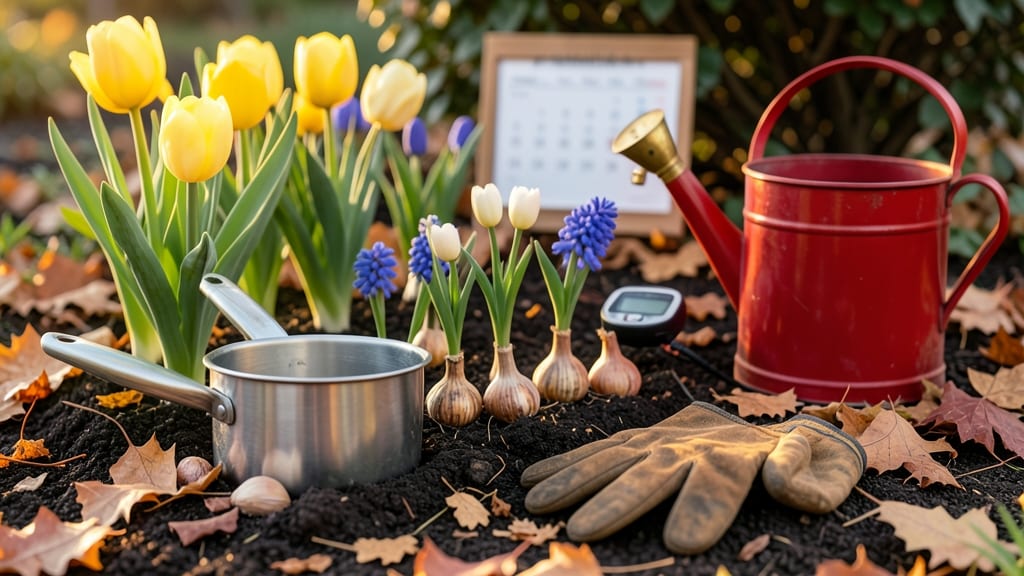
Knowing when to plant bulbs in Zone 6 could make or break your garden’s spring display—because timing isn’t just a detail, it’s the foundation of success.
Whether you’re dreaming of vibrant tulips or cheerful daffodils, getting those 🌱 bulbs in the ground at the right moment ensures roots establish strong before winter’s chill sets in.
Most gardeners swear by fall planting, but spring has its place too—if you know the tricks. In Zone 6 (where first frost typically arrives around mid-October), planting 6-8 weeks before the ground freezes gives bulbs the perfect head start.
But what if you missed that window? We’ll cover both scenarios so you never guess again.
From soil temperature checks to bulb-specific timing, this guide breaks down the science behind successful planting. You’ll learn how to adjust for your exact microclimate—whether you’re in 6a or 6b—and which bulbs (like tulips vs. daffodils) play by different rules.
Ready to transform your garden? Let’s dive into the exact steps to plant bulbs for bigger blooms and fewer flops—no matter when you’re starting.
Fall planting schedule for Zone 6 bulbs: the best months and why
In Zone 6, fall is the golden window for planting bulbs like tulips and daffodils. The key is planting 6-8 weeks before the first frost, which typically lands in October or early November.
This timing lets bulbs establish strong roots before winter dormancy, ensuring vibrant blooms next spring.
Bulbs planted in fall outperform spring-planted ones because they develop deep roots during cool fall weather. In Zone 6, soil temperatures drop below 60°F by late October, signaling bulbs to enter dormancy. Planting too late risks frozen roots or weak growth.
Use this summary table to pinpoint the ideal planting window and soil conditions for fall bulb planting in Zone 6:
| Stage | Action | Soil Temp | Zone 6 Window |
|---|---|---|---|
| Prep Soil | Loosen soil to 12 inches deep | 65-70°F | Mid-September |
| Plant Bulbs | Place bulbs 6-8 inches deep | 50-60°F | October-November |
| Mulch | Add 3-inch mulch layer | Below 40°F | Late November |
| Frost Protection | Cover with straw mulch | 32°F or lower | December-February |
For Zone 6a (colder microclimates), aim for early October planting to avoid early freezes. In Zone 6b (warmer areas), you can extend planting until mid-November.
Always check your local frost dates—a quick online search for "Zone 6 frost dates [your city]" will give you precise timing.
Before planting, amend your soil with compost or well-rotted manure to improve drainage. Bulbs rot in soggy soil, so avoid planting in low-lying areas where water pools. If your soil is clay-heavy, mix in sand or perlite to create a well-draining bed.
One common mistake is planting bulbs too shallow. Most bulbs need depth equal to 2-3x their diameter. For example, a 2-inch tulip bulb should be planted 4-6 inches deep. Shallow planting exposes bulbs to frost heave, where freezing and thawing cycles push them out of the soil.
After planting, water deeply to settle the soil around the bulbs. In Zone 6, fall rains often handle this, but if your area is dry, give bulbs a good soak every 2-3 weeks until the ground freezes. This encourages root development before winter.
Mulching is another critical step for fall-planted bulbs. Apply a 3-inch layer of straw or shredded leaves after planting. This insulates roots from extreme cold and suppresses weeds. In Zone 6, mulch also helps prevent soil erosion during winter thaws.
By following these fall planting guidelines, your Zone 6 bulbs will reward you with bold, early blooms next spring. The secret? Timing, soil prep, and proper depth—three factors that turn weak bulbs into showstoppers.
Spring planting for Zone 6 bulbs: late vs early timing and what to avoid
Spring planting might seem like a backup plan if you missed the fall window, but it’s not always a failure—just a different strategy. In Zone 6, where the last frost typically hits around mid-April, spring planting can still yield beautiful blooms, but timing and preparation are everything.
The key is to plant bulbs as soon as the soil is workable (around 40°F) and at least 2-3 weeks before your last frost date to give roots a head start.
However, spring-planted bulbs often produce smaller blooms than their fall counterparts because they miss the critical root-establishment period before winter. That said, some bulbs—like daffodils and alliums—handle spring planting better than others.
We’ll break down the pros and cons so you can decide whether to take the risk or stick with fall.
| Factor | Spring Planting | Fall Planting |
|---|---|---|
| Best Time | March-April (after last frost) | October-November (6-8 weeks before frost) |
| Root Growth | Slower (shorter season) | Faster (full winter dormancy) |
| Bloom Size | Smaller (less root time) | Larger (stronger roots) |
| Best Bulbs | Daffodils, Alliums | Tulips, Hyacinths, Crocus |
| Avoid Planting After | Mid-April (risk of frost damage) | November (soil too cold) |
If you’re planting in spring, prioritize well-draining soil and add a handful of compost or bulb fertilizer to compensate for the shorter growing season. Avoid planting too deep—stick to 2-3 times the bulb’s height—since spring bulbs need quick access to moisture.
For example, a 2-inch daffodil bulb should go in 4-6 inches deep.
One common mistake is waiting until the soil is too warm (above 60°F) to plant. This stresses bulbs and can lead to rotting. Instead, aim for 50-60°F soil and water thoroughly after planting to encourage root growth.
Mulch lightly with straw or shredded leaves to retain moisture and protect against late frosts.
For bulbs like tulips, spring planting is riskier—they often flop or produce weak stems. But if you’re set on trying, choose hardy varieties like Darwin Hybrid tulips, which tolerate cooler soils better.
Always label your spring-planted bulbs so you remember they’re a one-season wonder and plan to replant next fall for bigger blooms.
Pro tip: Pair spring-planted bulbs with annuals or perennials that bloom later in the season to hide any smaller blooms. This way, your garden stays vibrant even if the bulbs don’t reach their full potential.