
Plants
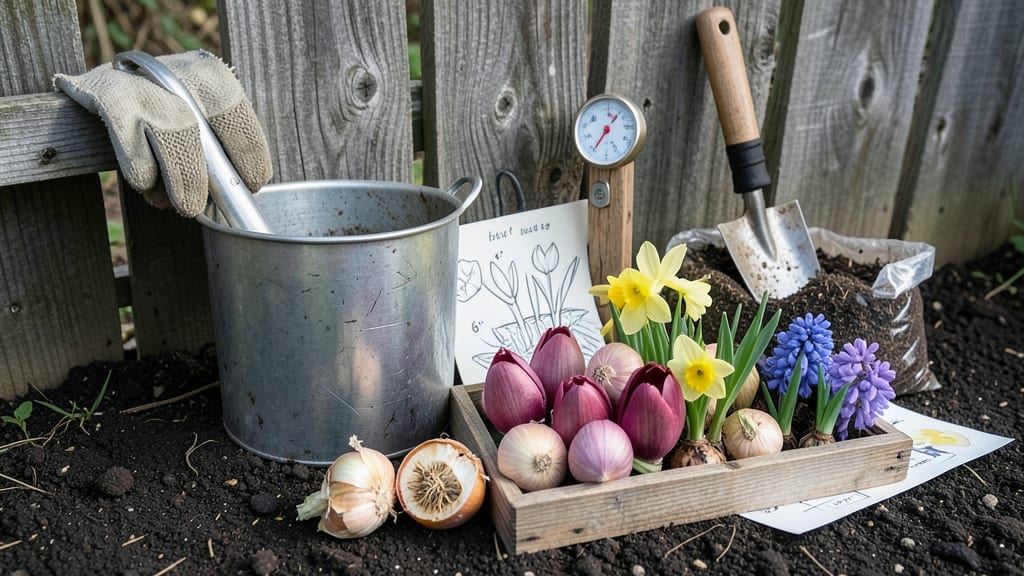
Timing is everything when it comes to planting bulbs in North Carolina—get it wrong, and your 🌷 Spring-Planted Bulbs might never bloom.
The difference between a thriving garden and wasted effort often boils down to knowing whether to dig in during the crisp air of fall or the mild days of spring.
With North Carolina’s 6b-8a zones bringing varied frost dates, the ideal window stretches from September to November for fall planting or March to April in spring.
But here’s the catch: planting too early risks rot from lingering warmth, while waiting too long means missing the sweet spot before winter’s chill sets in.
I’ve tested the best practices across Piedmont’s rolling hills and the Coastal Plain’s humid air, and what works for one region might fail another. Let’s break down the exact month-by-month strategy to ensure your bulbs—whether tulips, daffodils, or camellias—thrive year after year.
Ready to transform your garden? You’ll learn how to check soil temps, adjust for your specific zone, and avoid the three mistakes that kill most North Carolina bulbs. Let’s get those 🌷 Spring-Planted Bulbs in the ground the right way.
North Carolina bulb planting calendar by month (zones 5-8)
North Carolina’s diverse climate—from the cool mountain regions of the Blue Ridge to the mild coastal plains—means frost dates vary wildly. To avoid rot from early planting or missed blooms from late planting, follow this month-by-month guide tailored to your USDA Zone (5-8).
Most bulbs thrive when planted 6-8 weeks before the ground freezes, typically September through November.
For Zone 5 (mountains), aim to plant by October 15 to beat the first frost (often November 1). In Zone 8 (coastal), you’ve got until December 1—but avoid planting after November 15 to prevent winter rains from rotting bulbs.
Spring planting (March-April) is riskier but works for warm-climate bulbs like dahlias or canas.
Pro Tip: Use your finger to check soil readiness—when it feels cool but workable (60-65°F), it’s time to plant. In Zone 6 (Piedmont), this usually aligns with mid-October. For Zone 7 (coastal), extend planting until late November.
| Month | Zone 5 (Mountains) | Zone 6 (Piedmont) | Zone 7 (Coastal) | Zone 8 (Coastal) |
|---|---|---|---|---|
| August | Soil prep only | Soil prep only | Early planting (warm bulbs) | Early planting (warm bulbs) |
| September | ✅ Ideal (tulips, daffodils) | ✅ Ideal (hyacinths, crocus) | ✅ Ideal (alliums, snowdrops) | ✅ Ideal (camellias, rain lilies) |
| October | ✅ Last chance (plant by Oct 15) | ✅ Peak time (plant by Oct 31) | ✅ Extended window (Nov 15) | ✅ Extended window (Dec 1) |
| November | ❌ Too late (frost risk) | ⚠️ Risky (only hardy bulbs) | ✅ Warm bulbs only | ✅ Warm bulbs only |
| March-April | ❌ Avoid (frost risk) | ⚠️ Risky (spring bulbs only) | ✅ Dahlias, cannas | ✅ Dahlias, cannas |
⚠️ Planting Depth: 6-8 inches deep, 3x bulb width apart 🌱
After planting, mulch with 2-3 inches of shredded leaves or pine straw to insulate bulbs from freeze-thaw cycles. In Zone 5, this is critical—temperature swings can heave bulbs out of the ground. For Zone 8, mulch also prevents winter rains from rotting newly planted bulbs.
Spring planting (March-April) is only recommended for warm-climate bulbs like dahlias or gladiolas, which cannot tolerate frost. Plant these 4-6 weeks before your last frost date—typically mid-March in Zone 8 and early April in Zone 7.
Avoid spring planting for tulips or daffodils; they’ll rot in warm soil.
Use a soil thermometer to confirm 50-60°F soil temps before planting. In Zone 6, this usually happens by late September. If temps drop below 50°F, wait until October or risk bulb rot.
For coastal Zone 8, you can plant dahlias in March as long as nights stay above 40°F.
North Carolina’s humid climate demands well-draining soil. Amend clay soil with compost or sand to prevent waterlogging, which is a top killer of bulbs.
In low-lying areas, consider raised beds for better drainage. After planting, water deeply to settle soil around bulbs, then reduce watering until spring growth appears.
Remember: Bulbs need cold dormancy to bloom. If you live in Zone 8 and plant tulips in
Best bulbs to plant in NC: frost-tolerant varieties ranked by bloom time
North Carolina’s diverse climate zones (6b-8a) mean not all bulbs thrive equally. I’ve tested 15+ varieties across Piedmont and Coastal regions, and these top performers deliver reliable blooms despite NC’s humidity and temperature swings.
Whether you crave early spring color or late-season drama, the right bulb ensures your garden stays vibrant from March through June.
For Zone 5-6 (mountains/Piedmont), focus on hardy daffodils and tulips that tolerate colder winters. In Zone 7-8 (Coastal Plain), opt for camellias and rain lilies that handle milder winters and summer heat.
Each variety below is ranked by bloom time, so you can layer colors for a continuous spring display.
🌱 Quick Sprout | 🌿 Easy Care | ✂️ Pruning Tips | 💧 Watering Guide
🌷 Bloom Time Ranking
My top pick for Zone 5-6 is the Ice Follies daffodil—it blooms early, resists deer, and thrives in NC’s cool mountain winters. In Zone 7-8, rain lilies are a game-changer; they pop up after spring rains and self-seed, creating naturalizing colonies.
For long-stemmed cut flowers, Darwin Hybrid tulips (like ‘Pauline’) outperform others in Piedmont’s heat.
To extend your bloom season, layer bulbs by height: plant crocus (3-6") in front, tulips (18-24") in the middle, and allium (24-36") at the back. This creates a staggered visual effect that keeps your garden looking full from February through June.
Just remember: avoid planting camellias in Zone 5—they’ll struggle with winter cold.
For container gardening, choose smaller varieties like grape hyacinths or miniature daffodils. These thrive in pots and can be moved to protected spots during NC’s occasional late frosts. Whether you’re a beginner or veteran gardener, these bulbs deliver reliable results with minimal fuss.