
Plants
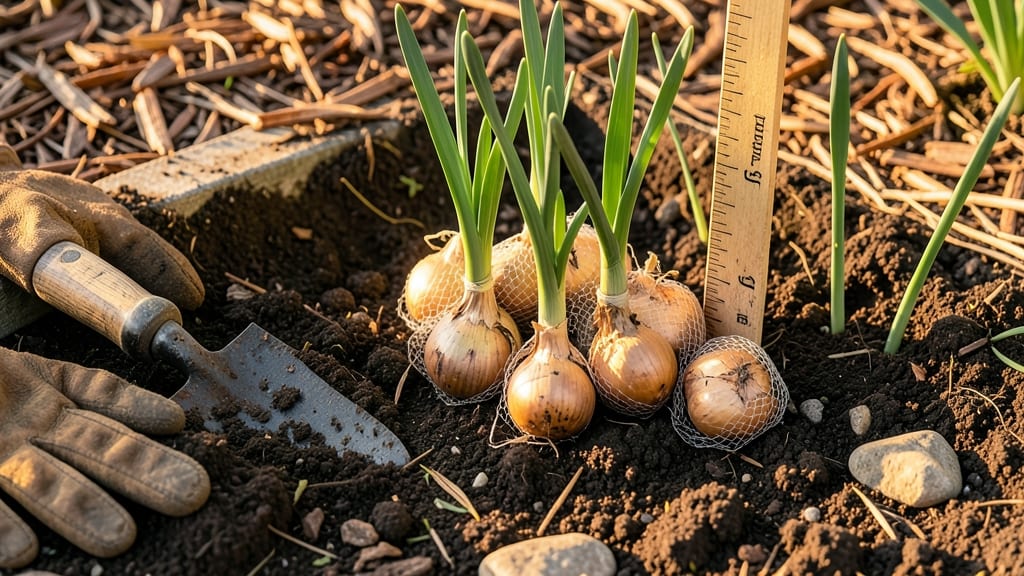
Planting daffodil bulbs in NY at the wrong time means risking frost damage or weak spring blooms—so getting the timing right is your secret weapon for a showstopping garden. 🌼 The key is understanding New York’s 6a climate, where chilly winters demand precise planting between October and November—before the ground freezes but after summer’s heat fades.
Why does this matter? Because daffodils need 4-6 weeks to establish roots before winter sets in, and planting too early exposes them to rot, while waiting too long leaves them vulnerable to frost heave.
Whether you're in NYC’s warmer microclimate or upstate’s colder zones, knowing the exact window makes all the difference for bulbs that return year after year.
I’ll break down the best months for your region, soil prep tricks, and how to adjust for NYC’s urban heat islands versus upstate’s sharp freezes.
By the end, you’ll know exactly when to dig, how deep to plant, and what to do if you miss the window—so your daffodils thrive no matter where you are in the state.
Ready to turn your yard into a springtime explosion of color? Let’s get those bulbs in the ground the right way—once, and they’ll come back bigger and brighter every year.
NY’s ideal daffodil planting window: months, soil temps & frost zones
Timing your daffodil bulb planting in New York depends on two critical factors: soil temperature and first frost dates. Aim to plant when soil temps drop to 40–50°F—this usually lands in late October to mid-November across most of the state.
For USDA Zones 5–7, this window ensures bulbs establish roots before winter dormancy.
In Zone 6a (covering much of NY), the first frost typically arrives around November 1.
Planting 4–6 weeks before frost gives roots time to anchor, while avoiding early September planting, which can lead to soft, frost-damaged bulbs. Mid-October is my sweet spot—cool enough for root growth but warm enough to handle the shock of digging.
Here’s the golden rule: Daffodils need 6–8 weeks of root growth before the ground freezes. If you’re in Upstate NY (colder zones), push planting to early October.
In NYC or Long Island, where microclimates delay frost, you can stretch planting until late November—but only if soil temps stay above freezing.
Pro tip: Use a soil thermometer to confirm temps. If your garden soil reads below 40°F, wait a week or two. Cold soil slows root development, and weak roots mean fewer blooms next spring. Patience pays off—rushing leads to disappointment.
🌼 Daffodil Planting Timeline for NY 🌼
| Stage | Action | NY Timeline | Soil Temp |
|---|---|---|---|
| Prep Soil | Amend with compost | Late August–September | 50–60°F |
| Plant Bulbs | 6" deep, 4–6" apart | Mid-October–Mid-November | 40–50°F |
| Mulch | 2–3" organic mulch | After planting | Below 40°F |
| First Frost | Roots must be established | Early–Mid-November | 32°F or lower |
| Bloom Time | Vibrant flowers | April–May | 40–60°F |
Not all daffodil varieties thrive equally in NY’s climate. Tete-a-Tete and Ice Follies are my top picks for Zone 6a—they’re hardy, disease-resistant, and bloom reliably. Poeticus types, like ‘Thalia’, also handle cold well but may need extra mulch in Upstate NY winters.
For late-blooming varieties (e.g., ‘Peeping Tom’), push planting to early November—they need the extra time to establish roots. Avoid planting after November 15, even in NYC, unless you’re using black plastic mulch to insulate soil. Root growth slows dramatically once temps drop below 40°F.
One common mistake? Planting too shallow. Daffodils need 6 inches of soil coverage to protect bulbs from heaving (when soil freezes and expands, pushing bulbs upward). In sandy soil (
How to adjust planting for NY’s microclimates: urban vs. rural timing
New York’s diverse climate zones mean your daffodil planting schedule should vary based on whether you’re in NYC’s urban heat island, suburban areas, or upstate’s colder regions. These microclimates can shift your ideal window by 2-4 weeks, so let’s break it down to avoid common mistakes.
Urban gardeners in NYC (Zone 7b-8a) often enjoy warmer soil temps later into November due to concrete heat retention. This means you can safely plant daffodils until mid-November—sometimes even early December—if the ground isn’t frozen.
However, suburban areas (Zone 6b-7a) typically freeze by early November, so aim to finish by October 31.
Upstate NY (Zones 5a-6a) faces the harshest conditions, with ground freezing as early as late October. Here, October 1-15 is your only reliable window. Use a soil thermometer to confirm temps are between 40-50°F—daffodil bulbs won’t root properly in colder soil.
| Location | USDA Zone | Best Planting Window | Key Adjustments |
|---|---|---|---|
| NYC (Urban) | 7b-8a | Mid-October to mid-November | Extend window with mulch; plant deeper (8") to insulate |
| Suburban (Long Island, Hudson Valley) | 6b-7a | Late September to October 31 | Prioritize well-draining soil; add 2" mulch after planting |
| Upstate (Adirondacks, Catskills) | 5a-6a | October 1-15 (critical!) | Plant in south-facing beds; use straw mulch (4-6") |
Regardless of your location, bulb depth and mulching are your best tools for extending the planting window. In colder zones, plant bulbs 6-8 inches deep—this adds insulation against early freezes.
A 3-4 inch layer of straw mulch after planting can push your window back by 1-2 weeks in suburban areas.
For urban gardeners, consider planting in containers or raised beds, which stay warmer longer. Fill containers with a mix of 50% potting soil and 50% compost to improve drainage—a common issue in NYC’s dense soil. Water containers deeply once a week until the ground freezes.
One final tip: Observe your local park gardens! Many NYC parks (like Central Park) plant daffodils in November, while upstate botanical gardens (like the New York Botanical Garden) finish by October 15. Use these as your guide to adjust your timing.