
Plants
Planting daffodil bulbs in Georgia isn’t just about timing—it’s about matching your county’s chill-hours to the perfect window between October and November. Too early, and you risk rot; too late, and those bright 🌼 blooms might never show up.
Georgia’s 7b-8b zones create a puzzle, but with the right approach, you can ensure your daffodils burst into color come spring.
Why does this matter? Because Georgia’s climate varies wildly from the cool mountains to the warmer coastal plains. In North Georgia, you’ve got more chill-hours to work with, while South Georgia gardeners need to be extra strategic.
I’ll break down exactly how to align your planting schedule with your local frost dates and chill requirements—so you’re not guessing when to dig in the dirt.
What you’ll discover here is a foolproof timeline tailored to Georgia’s microclimates. Whether you’re in Atlanta, Savannah, or somewhere in between, I’ll walk you through the best months to plant, how deep to bury those bulbs, and even how to prep your soil for maximum success.
No more second-guessing—just vibrant, reliable blooms every spring.
Ready to transform your garden? Let’s dive into the step-by-step guide that’ll have your daffodils thriving, no matter where you are in the Peach State. The key is in the chill-hours—and I’ve got the county-specific breakdown you need.
Georgia’s daffodil planting zones: chill-hours by county (2024 guide)
Georgia’s diverse climate zones mean daffodil planting isn’t one-size-fits-all. North Georgia’s cooler winters (like Blue Ridge) need 6-8 weeks of chill-hours (below 40°F), while South Georgia’s milder winters (like Savannah) may struggle with traditional varieties. The key? Match your USDA zone to the right chill-hour threshold.
Daffodils thrive when planted 6-8 weeks before your area’s first frost date. In Georgia, this typically lands between mid-October and early November, but your county’s chill-hours determine the exact window.
For example, Fannin County (Zone 7a) can plant as early as late September, while Camden County (Zone 8b) should wait until late November.
Here’s how to decode your chill-hour needs: Most daffodils require 300-600 chill-hours. North Georgia (Zones 7a-7b) easily meets this, but South Georgia (Zones 8a-8b) often falls short. That’s why I recommend heat-tolerant varieties like ‘Ice Follies’ or pre-chilling bulbs for warmer regions.
Let’s break it down by Georgia’s key regions and their ideal planting windows. Use this as your county-specific guide to avoid common mistakes like planting too early (risking rot) or too late (missing bloom season).
Use this table as your county-specific roadmap. For example, if you’re in Forsyth County (Zone 7b), aim for mid-October planting to ensure 600 chill-hours before spring. Meanwhile, Chatham County (Zone 8b) gardeners should wait until late November or pre-chill bulbs for 300+ hours.
Pro tip: Check your local frost dates using the Georgia Climate Project or Old Farmer’s Almanac. Then, count backward 6-8 weeks to set your planting date. For instance, if your first frost is November 15, plant by late September.
Don’t overlook soil temperature—daffodils need 60°F soil to root properly. In warmer zones, wait until soil cools in fall. Use a soil thermometer to confirm before planting. This small step prevents bulb rot and ensures strong roots.
For low-chill zones, consider ‘Tête-à-Tête’ or ‘Minerva’ varieties, which tolerate fewer chill-hours. Pair them with mulch (3-4 inches) to simulate winter conditions. This hack works wonders in Coastal Georgia where winters barely dip below 40°F.
Remember: Daffodils are hardy, but timing is critical. Plant too early, and bulbs rot; too late, and you’ll miss spring blooms. Use this guide to align your planting with Georgia’s microclimates and chill-hour zones for foolproof results.
Step-by-step daffodil planting timeline for Georgia’s climate variations
Georgia’s climate isn’t one-size-fits-all, and neither should your daffodil planting schedule be. In North Georgia, where winters are cooler and frost arrives earlier, you’ve got a wider window to plant—typically from mid-October through early November.
But in Central Georgia (think Atlanta), aim for late October to mid-November, while South Georgia gardeners should focus on early to mid-November to avoid early spring warmth.
The key is planting 6-8 weeks before your first frost date. In most of Georgia, this lands in October or early November, but always check your local USDA zone (7b-8b) for precision.
For example, Blue Ridge gardeners can start as early as late September, while Savannah may need to wait until mid-November.
🌼
📅 Georgia Daffodil Planting Timeline by Region
- North Georgia (Zones 7a-7b): Mid-October to early November – Cooler temps and earlier frost mean a longer window.
- Central Georgia (Zones 7b-8a): Late October to mid-November – Balance between chill-hours and frost risk.
- South Georgia (Zones 8a-8b): Early to mid-November – Warmer winters require later planting to avoid premature sprouting.
- Soil Prep (All Regions): Test soil pH (6.0-7.0) and amend with compost. Daffodils hate soggy soil—ensure drainage!
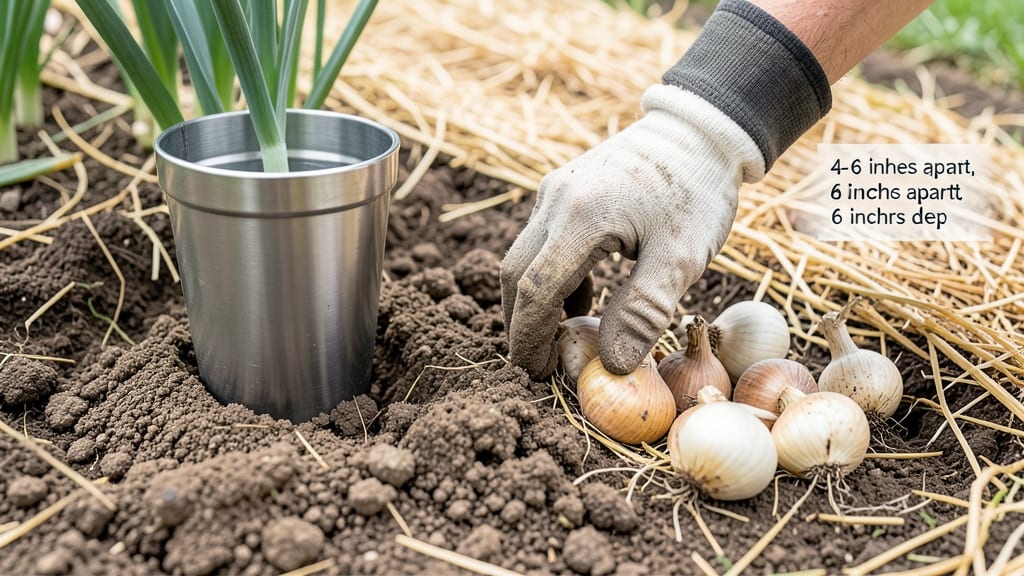
- Bulb Depth: Plant bulbs 6-8 inches deep, with 2x their height covered. Pointy end up!
- Spacing: 4-6 inches apart for clusters, 12 inches apart for single blooms. Crowding = fewer flowers.
- Post-Planting Care: Water deeply once planted, then bi-weekly until frost. Mulch with 2-3 inches of organic matter to insulate roots.
Don’t overlook soil preparation—this is where many gardeners go wrong. Daffodils thrive in well-draining, slightly acidic soil. If your garden soil is heavy clay, mix in sand or compost to improve aeration. A quick soil test (available at local extension offices) can save you from guesswork.
Aim for a pH between 6.0 and 7.0, and add a balanced fertilizer (10-10-10) at planting time to give roots a nutrient boost.
Once your bulbs are in the ground, resist the urge to overwater. Daffodils are drought-tolerant once established, but they need consistent moisture during their first 4-6 weeks to root properly.
Water deeply in the morning to reduce fungal risks, and avoid soggy soil—this is the #1 cause of bulb rot in Georgia’s humid climate.
Pro tip: If you’re in South Georgia or another low-chill zone, consider pre-chilling bulbs for 8-12 weeks in your fridge before planting. This mimics the winter chill they need to bloom. Store bulbs in a paper bag in the crisper drawer (not plastic!) at 35-45°F until ready to plant.
Finally, mark your planting spots! Daffodil foliage is critical for next year’s blooms—don’t cut it back until it fully yellows in late spring. A simple garden flag or mulch marker will keep you from accidentally digging up your bulbs in the off-season.
With this timeline, your daffodils will reward you with bold, early spring color year after year.