
Plants
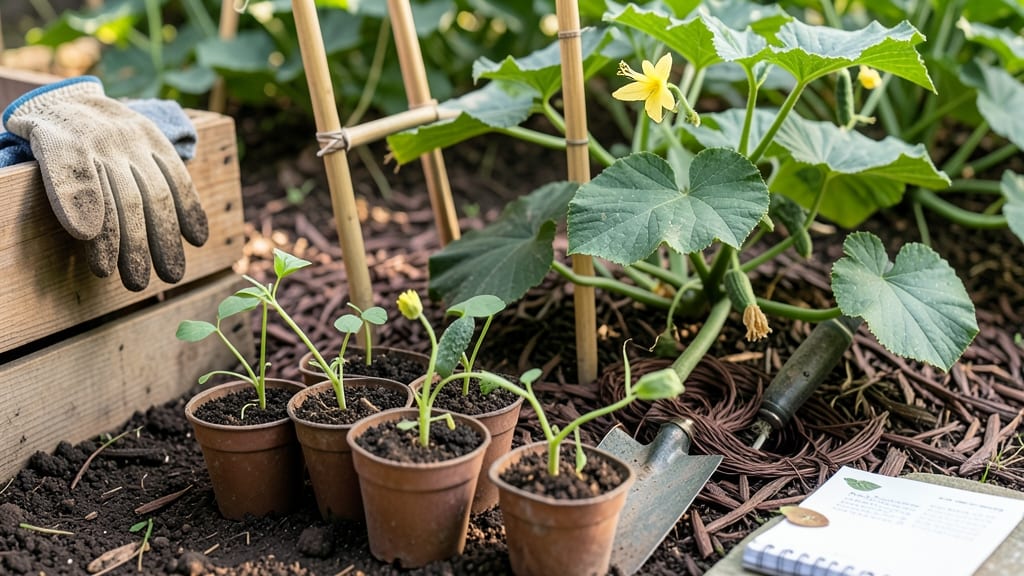
If you’ve ever watched your 🥒 cucumber plants wilt overnight because you planted the cucumber seeds in Ohio too early—or missed the harvest window because you waited too long—you know timing is everything in Ohio’s unpredictable climate.
The difference between a bumper crop and a sad garden bed often comes down to knowing exactly when to plant those seeds after the last frost.
Ohio’s USDA Zone 6a means you’ve got a short but critical window—typically between mid-April and early May—to get cucumbers in the ground when soil temperatures hit that sweet spot of 60°F or warmer.
But here’s the catch: planting too soon risks frost damage, while waiting too late could leave you scrambling for summer harvests. Let’s break down the science-backed strategy to nail your planting schedule this year.
You’ll discover how to read Ohio’s microclimates, from the warmer southern regions to the cooler north, and why waiting for frost-free soil is more important than checking the calendar.
Plus, I’ll share my top pro tips for extending your growing season—whether you’re using row covers, black plastic mulch, or choosing the right cucumber varieties for your area.
Ready to transform your garden from hit-or-miss to consistently productive? By the end of this guide, you’ll know exactly when to plant cucumber seeds in Ohio—and how to set yourself up for a harvest that’ll make your neighbors jealous.
Ohio cucumber planting dates by microclimate: frost-free soil temperature guide
Ohio’s diverse microclimates mean your cucumber planting window can vary by 3+ weeks depending on where you live. Southern Ohio’s warmer springs let gardeners start as early as mid-April, while Northern Ohio’s cooler zones often wait until mid-May.
The key? Soil temperature—cucumbers need 60°F+ to germinate, and Ohio’s last frost dates range from April 15 (south) to May 10 (north).
Don’t rely solely on calendar dates—use a soil thermometer to confirm readiness. Cold soil delays germination and invites damping-off disease. Even if daytime temps feel warm, nighttime frosts can linger in Ohio’s valleys until late April. My personal rule: Wait until 3 consecutive days above 60°F before planting.
Ohio’s USDA Zone 6a classification is a starting point, but local conditions matter more. Urban areas like Columbus may warm faster than rural Appalachian regions. Check your local cooperative extension for hyper-local frost data—some counties average 10 days earlier than state norms.
Here’s the critical planting timeline broken down by Ohio’s 3 main climate zones:
| Zone | Last Frost Avg. | Ideal Planting Window | Soil Temp Threshold | Pro Tip |
|---|---|---|---|---|
| Southern Ohio (e.g., Cincinnati, Chillicothe) | April 15 | April 20–May 5 | 60°F+ | Use row covers for early starts |
| Central Ohio (e.g., Columbus, Dayton) | April 25 | May 1–May 15 | 60°F+ | Plant trellis varieties to save space |
| Northern Ohio (e.g., Cleveland, Toledo) | May 10 | May 15–June 1 | 65°F+ (warmer soil needed) | Try greenhouse starts for earlier harvests |
For extended-season growing, Northern Ohio gardeners can try succession planting every 2 weeks until July 1. This gives you 3 harvest waves instead of one. I’ve had success with ‘Straight Eight’ planted in late June—it matures before Ohio’s first frost in mid-October.
Ohio’s humidity (average 78% in summer) is a double-edged sword. While it helps cucumbers grow fast, it also invites powdery mildew. Space plants 12–24 inches apart for airflow and mulch heavily to keep leaves dry. My go-to mulch is straw—it regulates soil temp and reduces fungal spores.
If you’re in USDA Zone 5b (like parts of Northeast Ohio), consider black plastic mulch to warm soil faster. Lay it down 2 weeks before planting—it can raise soil temps by 5–10°F, letting you plant 10 days earlier without risking frost damage.
Remember: Direct sowing is best for cucumbers—they hate transplant shock. Start seeds ½ inch deep, 2–3 per mound, and thin to the strongest seedling. In Ohio’s short season, fast-maturing varieties (50–55 days) are your best bet for reliable harvests.
Pro move: Mark your calendar for July 4 weekend—it’s the perfect time to start a second planting of bush varieties like ‘Bush Champion.’ You’ll enjoy fresh cukes through Labor Day, just as Ohio’s humidity peaks.
How to time cucumber planting for maximum Ohio yield: 5 pro tips
Ohio’s humid summers and variable springs demand smart timing for cucumbers. Plant too early, and frost zaps tender seedlings; too late, and you’ll miss peak harvests. I’ve grown cucumbers in Ohio for 10 years, and these 5 pro tips will help you maximize your yield while avoiding common pitfalls.
Start with soil warming—cucumbers need 60°F+ soil to germinate, and Ohio’s cool springs often delay this.
First, use black plastic mulch or row covers to warm soil faster. Lay down 1-2 inches of black plastic 2 weeks before planting to raise soil temps by 5-10°F. This trick lets you plant 2-3 weeks earlier than the average last frost date.
For northern Ohio, aim for early May; southern Ohio can start as early as mid-April with soil warming.
🌱 Pro Tip #1: Soil Warming Hacks
- 🔥 Black plastic mulch: Raises soil temp by 5-10°F, speeds germination
- ☀️ Clear plastic cloches: Traps heat for 2-3 weeks before planting
- 🌱 Compost piles: Place near beds to warm adjacent soil naturally
Next, succession plant every 2 weeks from May to June for a continuous harvest. Cucumbers bolt (flower prematurely) in Ohio’s hot July-August heat, so stagger plantings to keep vines producing. Choose early-maturing varieties (like ‘Straight Eight’) for first plantings and heat-tolerant types (like ‘Marketmore 76’) for later ones.
This ensures you’re always harvesting fresh cucumbers instead of facing a glut all at once.
Don’t overlook trellising—Ohio’s humidity breeds powdery mildew, and vines sprawling on damp soil invite disease. Use 5-6 ft trellises to elevate plants, improve airflow, and make harvesting easier.
Train vines with soft ties or jute twine to avoid damaging stems. Pro tip: Prune lower leaves to keep foliage off the ground, reducing fungal risks.
Finally, water deeply in the morning to prevent fungal issues. Ohio’s high humidity means wet leaves at night invite downy mildew. Use drip irrigation or soaker hoses to deliver 1-2 inches of water weekly, focusing on the soil—not the leaves.
Mulch with straw or shredded leaves to retain moisture and suppress weeds. Avoid overhead watering, especially after 6 PM, to keep plants dry overnight.
With these strategies, you’ll beat Ohio’s unpredictable weather, extend your harvest, and grow healthier cucumbers. Start with soil warming, then succession plant, trellis properly, and water wisely—your summer harvest will thank you! 🥒