
Plants
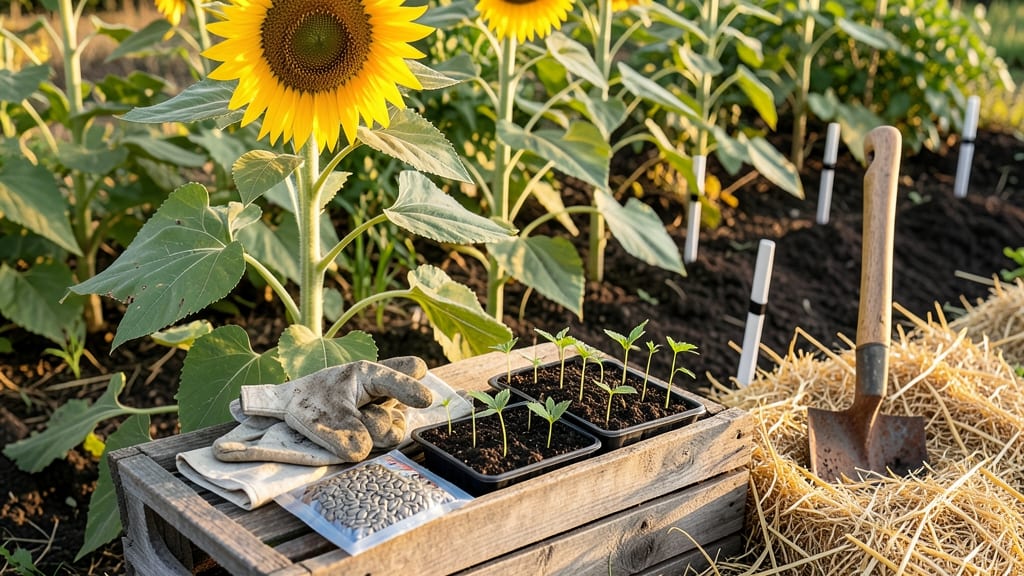
Timing when do you plant sunflower seeds in Ohio is the key to watching those towering 🌻 blooms reach their full potential—and missing the window can mean stunted growth or worse.
With Ohio's unpredictable spring weather, knowing exactly when to plant (and how to adjust for your specific county) makes all the difference between a thriving garden and a gamble.
Most Ohio gardeners plant sunflower seeds between mid-April and late June, but your exact timing depends on whether you're in the cooler northern zones (like Toledo) or the warmer southern regions (closer to Cincinnati).
The rule of thumb? Wait until after your last frost date—usually around April 15—but don't delay too long, or you might miss the 165-day growing season Ohio sunflowers need to mature.
Here's the game-changer: Ohio's diverse microclimates mean planting dates can vary by 2-3 weeks from one county to the next.
Whether you're in the humid Lake Erie zone or the drier Appalachian foothills, I'll break down the frost-free planting windows tailored to your heat zone—so you can plant with confidence and avoid late-season risks.
Ready to grow sunflowers that reach 10 feet tall or higher? Let's dive into the exact planting schedule, soil prep tips, and how to stretch your growing season for maximum blooms—no more guessing, just guaranteed success.
Ohio sunflower planting dates by heat Zone: USDA zones 5-6 timing guide
Ohio’s sunflower seeds thrive when planted after the last frost, but timing varies dramatically between USDA Zone 5 (northern Ohio) and Zone 6 (southern Ohio).
In my experience, northern counties like Cleveland and Toledo often wait until mid-May due to later frost risks, while southern regions like Cincinnati and Columbus can start as early as late April. The key is soil temperature—sunflowers need 55°F+ for germination.
For Zone 5, I recommend waiting until May 1-15 to plant, as frost can linger until April 25 on average. In Zone 6, you can start as early as April 15, but I’ve learned to monitor local forecasts—late frosts in March can still sneak up.
The 165-day growing season in Ohio means late plantings risk stunted growth, so aim for mid-June as your absolute cutoff.
Here’s my Ohio sunflower planting timeline based on heat zones and last-frost averages:
| Zone | Last Frost Date | Ideal Planting Window | Soil Temp | Notes |
|---|---|---|---|---|
| 5a (North) | April 25 | May 1–15 | 55°F+ | Use row covers if planting early |
| 5b (Central) | April 15 | April 25–May 10 | 55°F+ | Monitor nighttime temps |
| 6a (South) | April 1 | April 15–May 1 | 55°F+ | Best for tall varieties |
| 6b (Southeast) | March 25 | March 30–April 15 | 55°F+ | Longest growing season |
I’ve found that direct sowing works best for sunflowers—no need for indoor starts. Simply scatter seeds 1 inch deep and 6 inches apart in well-drained soil. For Zone 5, I add a light row cover if planting in late April to protect tender sprouts from unexpected frosts.
In Zone 6, you can often skip this step entirely.
Ohio’s humidity levels also play a role. Southern counties like Athens and Chillicothe benefit from earlier plantings because their longer summers prevent bolting. Meanwhile, Toledo and Sandusky near Lake Erie need to wait longer due to cooler lake breezes.
Always check your local almanac for 3-year frost averages—they’re more reliable than generic zone guides.
One pro tip I’ve learned: plant dwarf varieties (like ‘Teddy Bear’) in northern Ohio if you’re pushing the season. They mature faster (50–60 days) and still produce edible seeds.
For standard varieties (like ‘Mammoth’), stick to May plantings to ensure 120-day maturation before Ohio’s first frost in mid-October.
If you’re in doubt about timing, I recommend planting a test row in early May. Sunflowers are forgiving—they’ll still grow if planted late, but expect shorter stems and smaller seed heads. The trade-off? You’ll still get those cheerful blooms to brighten your garden!
For container growing in Ohio, start 2–3 weeks earlier than ground plantings since pots warm up faster. Just ensure your containers have drainage holes—sunflowers hate soggy roots. I’ve grown 6-footers in 15-gallon pots with success, but larger varieties need staking in windy areas like Columbus or Dayton.
County-specific sunflower planting tips: Ohio’s microclimates explained
Ohio’s diverse geography means your sunflower planting window can shift by 2-3 weeks depending on whether you’re near Lake Erie’s cooler breezes or the Appalachian foothills’ extended warmth.
For example, Toledo’s USDA Zone 5b often waits until mid-May for safe planting, while Athens in Zone 6b can start as early as late April. These microclimates create real differences in frost risk and soil warming.
Lake Erie’s influence creates a cooler buffer zone along the northern border, where water temperatures delay spring warming.
Counties like Lorain or Ashtabula may need to wait until May 1 to avoid late frosts, while inland areas like Columbus or Dayton typically hit ideal 50°F soil temps by April 20. Always check your local USDA zone map—Ohio spans Zones 5a-6b, and that matters for timing.
For mountainous regions like Hocking Hills or Zanesville, elevation adds another layer. Higher elevations (above 1,000 feet) can experience 1-2 weeks later planting windows compared to valley areas. If you’re unsure, use a soil thermometer—sunflowers need soil at least 55°F to germinate reliably.
🌡️ Soil Temp Check
Use a soil thermometer to confirm 55°F+ soil before planting. Northern Ohio may need to wait until late May for consistent warmth.
📍 County-Specific Rules
Lake counties (Cuyahoga, Lucas) plant 2 weeks later than Appalachian counties (Athens, Vinton). Check local frost records for your county.
🌱 Succession Planting
Plant every 2 weeks through June 15 to stretch your harvest window. Late plantings (after June 20) risk immature seeds before frost.
If you’re in southern Ohio (Zones 6a-6b), you can push the envelope with early April plantings under row covers, but always have a backup plan. Northern Ohio gardeners should prioritize mid-May as their target, with June 1 as the absolute last date for reliable germination.
Pro tip: Observe your neighbors’ gardens—when you see dandelions blooming consistently, it’s a sign soil temps are stable enough for sunflowers. Pair this with a 10-day weather forecast to avoid planting before a predicted frost dip.
Remember, Ohio’s growing season is short—only about 165 frost-free days. Every day counts, so don’t wait too long, but don’t rush into cold soil either. Balance is key for those 10-foot-tall sunflowers you’re dreaming of! 🌻