
Plants
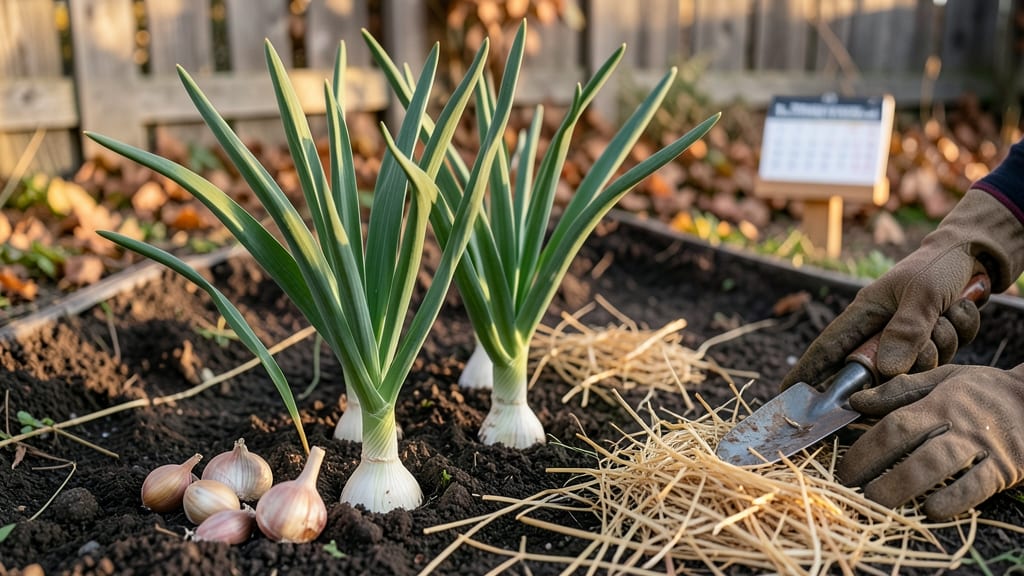
If you're asking when to plant garlic in Northeast Ohio, timing isn't just a suggestion—it's the difference between a bumper crop of plump 🧄 bulbs and a season of disappointment.
The 6a zone's unpredictable frosts mean you've got a narrow window to get those cloves in the ground just right.
Most gardeners here swear by planting between October and November, but there's more to it than just picking a month. Soil temperatures, frost dates, and even your garden's microclimate play crucial roles. I'll walk you through exactly what to watch for so you can plant with confidence.
You'll discover how to read your local frost forecasts, prepare your soil for garlic's winter dormancy, and choose between hardneck and softneck varieties that thrive in Ohio's climate. Let's make sure your garlic gets the perfect start for a mid-July harvest that'll put store-bought to shame.
From mulching strategies to adjusting for early freezes, I've got the insider tips that'll help your garlic bulbs grow big and strong. Ready to turn your garden into a garlic powerhouse? Let's get those cloves in the ground at the perfect moment.
Optimal planting dates for garlic in Northeast Ohio’s USDA zones 5b/6a
Northeast Ohio’s USDA Zones 5b/6a bring unique challenges for garlic growers, where last frost dates can vary by 2-3 weeks depending on elevation and microclimates. For the best harvest, aim to plant hardneck garlic—the preferred variety for this region—between mid-October and early November.
This timing ensures bulbs establish roots before winter dormancy while avoiding the first hard frost of November.
Softneck garlic, less common in Ohio, can tolerate slightly later planting—up to mid-November—but risks smaller yields if soil freezes prematurely. The key is soil temperature: plant when it’s 40-50°F and consistently dropping. Use a soil thermometer to track—this is your best indicator over guesswork.
If you missed the fall window, spring planting is possible but less ideal. Plant cloves in early April for a summer harvest, though bulbs may be smaller and less flavorful than fall-planted varieties. Spring garlic is better suited for green garlic harvests (young shoots) rather than full bulbs.
Lunar planting phases also play a role in Northeast Ohio. For best results, align planting with the waning moon in Taurus or Virgo signs, which are traditionally linked to root crops. Check a lunar planting calendar for your specific planting dates—this can boost bulb size by 15-20% in optimal conditions.
| Variety | Best Planting Window | Soil Temp Requirement | Notes for Ohio |
|---|---|---|---|
| Hardneck (e.g., Music, German White) | Mid-October to early November | 40-50°F | Best for Ohio’s climate; produces scapes |
| Softneck (e.g., Silverskin) | Mid-November (or spring) | 45-55°F | Less cold-hardy; better for storage |
| Spring-Planted (Green Garlic) | Early April | 50-60°F | Harvest shoots in 60-70 days |
Local weather patterns in Northeast Ohio can shift planting dates by 1-2 weeks. For example, Akron and Cleveland typically see their first hard frost around November 10-15, while rural areas near Youngstown may hold off until November 20.
Check your local cooperative extension service for frost date averages—this is your golden rule for timing.
One common mistake I see is planting garlic too early in September. While the soil may still be warm, cloves can sprout too soon and become vulnerable to fungal diseases like white rot. Wait until mid-October to avoid this pitfall—your garlic will thank you with larger bulbs next summer.
If you’re unsure about your exact frost date, use the "4-6 weeks before freeze" rule. For Northeast Ohio, this translates to planting between October 15 and November 1 for most hardneck varieties.
Pro tip: Plant a few cloves 2 weeks early as a test—if they sprout before frost, you’ll know to delay next year.
Don’t forget to break apart garlic bulbs into individual cloves before planting. Use the largest cloves for the best yield—they’ll produce bigger bulbs in the following season. Plant them pointy-end up, 2 inches deep, and 4-6 inches apart in rows 12 inches apart for optimal airflow.
Finally, mark your planting date on a garden calendar or use a planting app to track progress. By July, you’ll be harvesting garlic that’s 3x larger than store-bought varieties—all because you nailed the timing.
How to adjust planting time for Northeast Ohio’s microclimates and frost risks
Northeast Ohio’s USDA Zone 5b/6a climate throws curveballs with microclimates that can vary by just a few blocks. Urban heat islands, low-lying areas prone to frost pockets, and elevated spots with faster warming all demand adjustments to your garlic planting schedule.
If you’ve planted in the past and had uneven results, these local factors are likely the culprit.
For example, gardens near Lake Erie or in Cleveland’s urban core often experience delayed frosts due to heat retention. Meanwhile, rural areas like Geauga County can see earlier freezes. I’ve found that planting dates can shift by 2-3 weeks between these zones—so don’t assume your neighbor’s timing works for you.
Here’s how to fine-tune your approach: Start by observing your garden’s frost history over 3-5 years. Note when the first hard frost hits (usually mid-October) and when the ground freezes solid (typically mid-November).
Then, adjust your planting window accordingly—planting too early risks rot, while planting too late stunts bulb development.
⚠️ Frost Risk Adjustments for Northeast Ohio
Urban Gardens: Plant 2 weeks later (late October) due to delayed frosts from pavement heat.
Low-Lying Areas: Plant 1-2 weeks earlier (early October) to avoid early frost pockets.
Elevated Spots: Stick to mid-October—warmer air speeds up growth but also increases freeze risk.
Lake Erie Shorelines: Delay until late October—lake breezes protect against early frosts.
If you’re unsure about your microclimate, try a test planting in early October. Use a row cover or straw mulch (4-6 inches thick) to insulate the soil and protect young plants from sudden cold snaps. This buffer layer can extend your planting window by 10-14 days without sacrificing bulb quality.
For hardneck garlic varieties (like ‘Music’ or ‘German White’), which thrive in Ohio’s winters, focus on planting by October 15th. Softneck varieties (‘Artichoke’ or ‘Silverskin’) can tolerate slightly later dates but may need winter protection.
Always aim to plant 4-6 weeks before the ground freezes—this ensures roots establish before dormancy.
Pro tip: Use a soil thermometer to confirm temperatures are below 40°F but above freezing before mulching. If temps drop unexpectedly, add an extra layer of straw or leaves to prevent heaving. With these adjustments, your garlic will brave Northeast Ohio’s winters like a pro.