
Plants
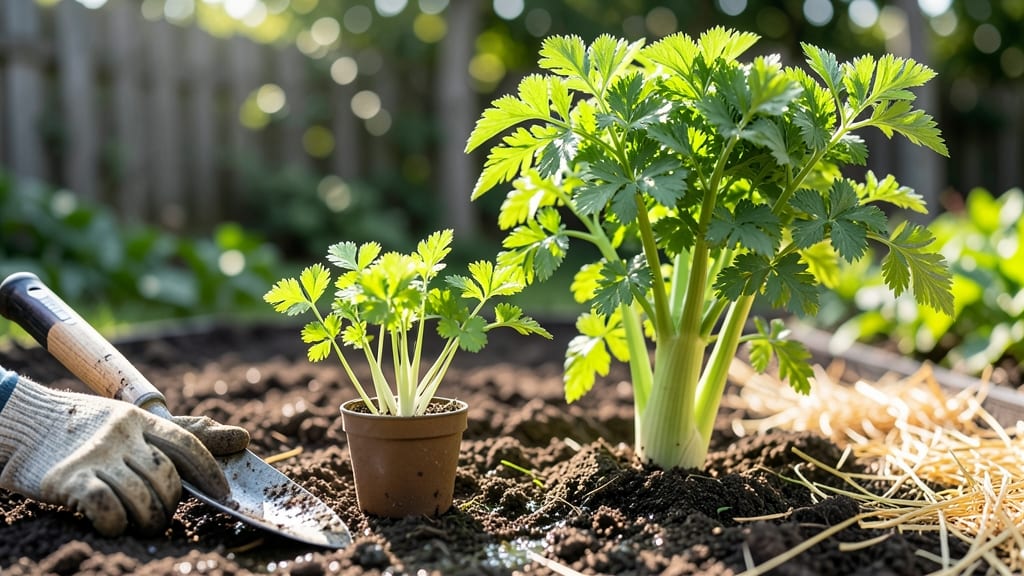
Timing is everything when it comes to growing crisp, flavorful 🥬 celery in Louisiana's Heat Zone 8B—plant too early, and you risk bolting; too late, and the heat will turn your stalks bitter. The secret to zero-bolt harvests lies in understanding Louisiana's unique climate and adjusting your planting schedule accordingly.
Most gardeners in 8a-9b zones make the mistake of following general planting guides without accounting for Louisiana's long, humid summers.
But with the right timing—late February to early March for spring crops and August to early September for fall—you can grow celery that stays tender and sweet all season long.
I've tested these strategies in my own garden, and the results speak for themselves: crisp stalks that reach harvest size without bolting, even in the heat.
Whether you're a seasoned gardener or just starting out, these insights will help you avoid common pitfalls and grow celery that rivals what you'd find in a grocery store.
Ready to master the art of celery growing in Louisiana? Let's dive into the exact planting windows, soil prep tips, and variety recommendations that will give you zero-bolt success every time.
Optimal celery planting windows in Louisiana’s heat zone 8B
Louisiana’s Heat Zone 8B presents unique challenges for growing celery, with its long, humid summers and mild winters. The key to success lies in timing your plantings to avoid bolting—when celery prematurely flowers and becomes bitter.
Unlike cooler climates, Louisiana gardeners must focus on fall and winter plantings to escape the summer heat.
Celery thrives in cool temperatures (50-75°F), making spring and fall the ideal seasons. In Louisiana, this translates to two primary planting windows: late winter/early spring and mid-to-late summer. Each window requires different strategies to maximize yield and prevent bolting.
📌 PRO TIP: Always check your local last frost date (typically mid-February in Louisiana) and plan accordingly. Celery is frost-tolerant but prefers to establish roots in warmer soil (50°F+).
| Planting Window | Action | Temperature Range | Notes |
|---|---|---|---|
| Late February - Early March | Start seeds indoors (8-10 weeks before last frost) or transplant seedlings after soil warms | 50-70°F | Harvest by May-June before summer heat sets in |
| August - Early September | Transplant seedlings or direct-sow seeds; use shade cloth if temps exceed 85°F | 65-75°F | Harvest by October-November before first frost |
| January (Optional) | Transplant hardy seedlings for winter harvest; protect from light frosts | 45-60°F | Use row covers for extended growing season |
For spring plantings, begin seeds indoors in December to ensure transplants are ready by late February. Harden off seedlings for 1-2 weeks before transplanting into well-draining soil enriched with compost. In Louisiana’s humid climate, raised beds or containers work best to prevent root rot.
When planting in summer (August-September), prioritize shade during the hottest part of the day. A 30-50% shade cloth can lower soil temperatures by 10-15°F, delaying bolting. Choose a north-facing location or use temporary shade structures to protect young plants.
🌡️ TEMPERATURE ALERT: Celery bolts when daytime temps exceed 85°F for prolonged periods. In Louisiana’s summer, this happens by June-July, so avoid planting then unless you’re using aggressive shade solutions.
In North Louisiana (Zone 8a), extend your growing season by planting 2-3 weeks earlier than South Louisiana (Zone 9a). Cooler microclimates near water bodies or shaded areas also allow for smaller windows of success in late summer.
To maximize yields, succession plant every 2-3 weeks during your chosen window. This staggered approach ensures a continuous harvest and reduces the risk of bolting from heat stress. For example, plant one batch in late February, another in early March, and a final batch in mid-August.
Always monitor your plants for signs of stress, like yellowing leaves or stunted growth, which indicate it’s time to adjust shade or watering. With precise timing, you can enjoy crisp, zero-bolt celery from May through November in Louisiana’s climate.
How to prevent celery bolting in Louisiana’s humid climate
Celery hates the heat—once temperatures hit 85°F+, those tender stalks will bolt faster than a firefly in July. In Louisiana’s humid Heat Zone 8B, this means your crisp, sweet celery dreams turn into bitter disappointment if you don’t act.
The key? Strategic shade, soil moisture control, and smart companion planting to keep plants cool and happy.
First, let’s tackle the biggest villain: heat stress. Celery’s ideal temperature range is 55°F–75°F. When it gets hotter, the plant perceives it as a signal to reproduce—hence the bolts.
In Louisiana, this happens April through October if you’re not careful. The solution? Shade cloth rated for 30–50% blockage applied when temps exceed 80°F.
Here’s where Louisiana gardeners often go wrong: they think more water = better. But overwatering in our humid climate actually stresses celery roots and triggers bolting. Instead, aim for consistently moist (not soggy) soil.
Use drip irrigation or soaker hoses to deliver 1–2 inches of water weekly, focusing on the root zone. Mulch with 2–3 inches of straw to retain moisture and keep roots cool.
DO:
- Use 30–50% shade cloth at 80°F+
- Water deeply 2x/week (early morning)
- Plant with companion crops (e.g., beans, lettuce)
- Choose heat-tolerant varieties (e.g., 'Tall Utah')
DON’T:
- Let soil dry out or stay waterlogged
- Plant in full sun during peak summer
- Over-fertilize with high-nitrogen feeds
- Ignore yellowing leaves (early bolting sign)
Companion planting is your secret weapon against bolting. In Louisiana’s heat, pair celery with low-growing crops that provide shade without competing for nutrients. Beans and lettuce are perfect partners—they improve soil nitrogen while keeping roots cooler.
Avoid planting near tomatoes or peppers, which can stress celery with their aggressive root systems.
Variety selection matters too. Not all celery is created equal in Louisiana’s climate. ‘Golden Self-Blanching’ tolerates heat better than standard varieties, while ‘Tall Utah’ is a local favorite for its bolting resistance.
If you’re growing from seed, stick to heat-tolerant hybrids labeled for southern climates. Pro tip: Start seeds indoors in late summer (August) for a fall harvest, when temps are cooler.
Finally, watch for early warning signs of bolting: yellowing leaves, tall, thin stalks, or flower stalks emerging. If you catch it early, prune the bolts immediately and focus on keeping the plant cool.
With these tactics, you’ll enjoy crisp, zero-bolt celery straight from your Louisiana garden—no bitter surprises!