
Plants
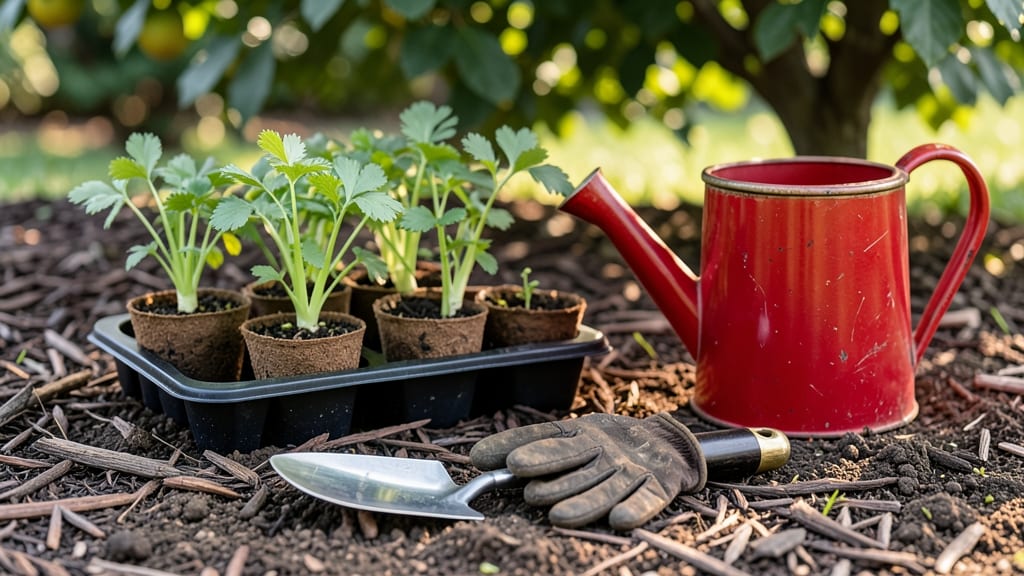
Timing your celery planting in Zone 6 is the key to avoiding frost-damaged seedlings or bitter stalks—because one wrong move can turn your crispy dream into a sad, leggy disappointment. 🥬 Whether you're a first-time gardener or a seasoned grower, knowing exactly when to plant celery in Zone 6 means the difference between a bountiful harvest and a wasted effort.
Here's the secret: celery thrives when soil temperatures hit 50°F, which typically arrives in early spring (March-April) or late summer (July-August).
But Zone 6's unpredictable frost dates mean you can't just toss seeds into the ground and hope for the best—you'll need a strategy to protect tender seedlings from late frosts or early chills.
In this guide, I'll walk you through the perfect planting windows, how to start seeds indoors for a head start, and the common mistakes that sabotage celery crops.
By the end, you'll know exactly when to plant celery in Zone 6 to get thick, sweet stalks all season long—no guesswork required.
Ready to grow celery that's actually worth braising? Let's dive into the cold-start tricks that will transform your garden into a crispy, flavorful success story.
Optimal planting windows for celery in Zone 6 (with frost protection tips)
Celery thrives in Zone 6’s cool-to-moderate temperatures, but timing is everything. Plant too early, and frost damage will blacken your leaves; too late, and your stalks may bolt prematurely before reaching harvest size.
The key is two distinct planting windows: early spring and late summer, each with unique strategies to protect your crop.
For spring planting, aim to sow seeds 4–6 weeks before your last frost date (typically mid-April in Zone 6). However, celery seeds germinate best in soil temperatures above 50°F (10°C), which often means waiting until late March or early April.
This delay forces gardeners to use row covers or cold frames to shield young plants from late frosts.
Your best bet is to start seeds indoors 8–10 weeks before the last frost, then transplant hardened-off seedlings into the garden. This gives you a 3–4 week head start on the growing season, allowing time for the soil to warm naturally before exposing delicate seedlings to outdoor conditions.
Late summer planting (July–August) offers a second harvest window, but it requires careful planning. Celery needs 90–130 days to mature, so sow seeds by mid-July at the latest to ensure stalks reach harvest size before the first frost (around October 15 in Zone 6). Use shade cloth during peak summer heat to prevent bolting.
| Planting Window | Soil Temp | Frost Protection | Harvest Window |
|---|---|---|---|
| Early Spring (March–April) | 50–60°F (10–15°C) | Row covers, cold frames | June–October |
| Late Summer (July–August) | 60–70°F (15–21°C) | Shade cloth, mulch | October–November |
Zone 6 gardeners often struggle with unpredictable late frosts in spring. To safeguard your crop, use floating row covers or low tunnels until soil temperatures stabilize above 50°F. These protective barriers raise temperatures by 5–10°F, accelerating germination and shielding seedlings from light frosts (28–32°F).
For succession planting, sow a second batch of seeds every 2–3 weeks after your initial planting. This staggered approach ensures a continuous harvest from summer through early fall. Just be sure to thin seedlings to 6–8 inches apart to prevent overcrowding, which leads to pale, spindly stalks.
If you’re planting in containers or raised beds, choose self-blanching varieties like 'Utah' or 'Golden Self-Blanching.' These types develop crisp stalks without requiring earthing-up, making them ideal for small spaces.
Just ensure containers have drainage holes and are at least 12 inches deep to accommodate celery’s deep taproot system.
Remember, celery is a cool-season crop that bolts easily in heat. If summer temperatures climb above 80°F (27°C), provide afternoon shade and increase watering frequency to keep soil consistently moist. With these strategies, you’ll enjoy crisp, homegrown celery from early summer through fall.
🌱
Optimal planting windows for celery in Zone 6 (with frost protection tips)
Celery thrives in Zone 6 when planted during two key windows: early spring (March–April) or late summer (July–August). These periods balance soil warmth and frost risk, ensuring your stalks mature before bolting or freezing.
For spring planting, aim for 4–6 weeks before the last frost (typically mid-April in Zone 6), while summer planting should occur 8–10 weeks before the first frost (mid-October).
Celery seeds germinate best in soil temperatures between 50–70°F (10–21°C). In Zone 6, this means waiting until late March or early April for spring sowing or mid-July for summer.
Use a soil thermometer to confirm—cold soil slows germination, while overheated soil causes seeds to rot. For extra protection, cover seeds with black plastic mulch to warm the soil faster.
| Planting Window | Soil Temp | Frost Risk | Protection Tip |
|---|---|---|---|
| Early Spring (March–April) | 50–60°F (10–15°C) | High (last frost: April 15) | Use row covers or cold frames |
| Late Summer (July–August) | 60–70°F (15–21°C) | Low (first frost: Oct 15) | Extend season with shade cloth |
If you miss these windows, don’t despair—celery can tolerate light frosts (down to 25°F (-4°C)) once established, but seedlings are delicate. For extra insurance, start seeds indoors 8–10 weeks before transplanting (see next section).
Harden off seedlings gradually to prevent shock when moving them outdoors after the last frost.
For succession planting, sow new seeds every 2–3 weeks in spring or 3–4 weeks in summer to ensure a continuous harvest. Space seeds ¼ inch apart and thin to 12–18 inches between plants—crowding leads to spindly, bitter stalks.
Mulch heavily with straw to retain moisture and suppress weeds, which compete for nutrients celery craves.
Zone 6 gardeners often struggle with bolting (premature flowering) due to heat stress. To prevent this, choose slow-bolting varieties like ‘Tall Utah’ or ‘Golden Self-Blanching’ and avoid planting in hot, dry spells.
Keep soil consistently moist—drought stress triggers bolting faster than frost damage. A drip irrigation system on a timer is ideal for maintaining even moisture.
With these timing tricks, you’ll enjoy crisp, homegrown celery from summer through fall—no more store-bought stalks with limp leaves! The key is patience: celery takes 100–160 days to mature, so plan ahead and protect your plants from Zone 6’s unpredictable weather swings. 🥬