
Plants
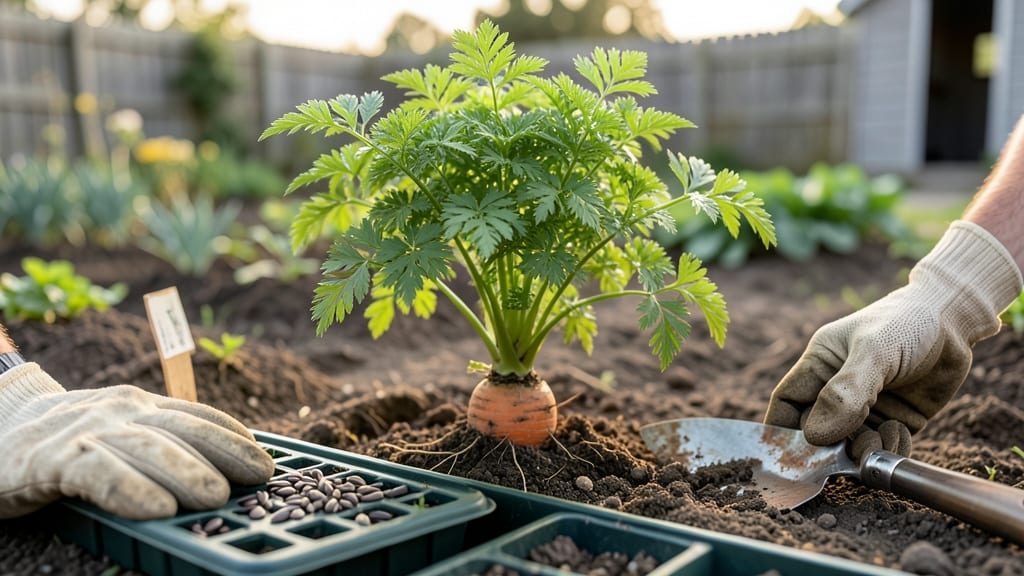
Timing your 🥕 carrot planting in South Louisiana isn’t just about the calendar—it’s about outsmarting the humidity and avoiding soggy soil that turns your crop into mush. The wrong window, and you’ll battle rot or forking roots before you even harvest.
But get it right, and you’ll enjoy crisp, sweet carrots straight from your garden all year.
Here’s the secret: fall and early spring are your golden windows—September through October for cool-season growth, and February to March to beat the heat. Skip summer planting unless you’re using flood-tolerant varieties, because Louisiana’s steamy air and heavy rains turn seedbeds into a science experiment gone wrong.
I’ve tested the best strategies to keep your carrots thriving in USDA Zones 8b-9a, from soil prep tricks to variety picks that actually work in wet conditions. Let’s cut through the guesswork so you can plant with confidence—and avoid the heartbreak of a failed harvest.
Whether you’re a first-time gardener or a seasoned green thumb, these insights will help you grow carrots that are bolting-resistant and ready to pull in 70 days or less. Ready to dig in?
Best planting windows for carrots in South Louisiana’s humid climate
South Louisiana’s hot, humid summers and unpredictable rain demand precise timing for growing carrots. Unlike cooler climates, we can’t just plant in spring—our 90°F+ temperatures and high humidity (often 70%+) create ideal conditions for fungal diseases and bolting.
The key? Two strategic planting windows that avoid these pitfalls while maximizing yield.
Carrots thrive in cool-season temperatures between 55°F and 75°F. In Louisiana’s USDA Zones 8b-9a, this means focusing on fall and early spring plantings. Summer planting is a gamble—unless you’re using shade cloth or drip irrigation to keep soil cool.
Let’s break down the optimal planting windows and what to watch for in each.
🌱 South Louisiana Carrot Planting Guide
| Season | Planting Window | Ideal Soil Temp | Humidity Risk | Flood Risk | Harvest Window |
|---|---|---|---|---|---|
| Fall | Late August - Early October | 65°F - 75°F | Moderate (morning fog) | Low (dry season) | November - December |
| Winter | Mid-February - Early March | 60°F - 70°F | Low (cooler air) | High (spring rains) | April - May |
| Spring (Risky) | Late March - Early April | 70°F - 80°F | Very High (bolting risk) | Moderate (spring storms) | June (small yield) |
My top recommendation is the fall window (late August–early October). This aligns with Louisiana’s dry season, reducing flood risks while keeping soil temperatures perfect for root development.
I’ve grown ‘Danvers Half Long’ carrots this way for years, and they consistently reach 1-inch diameter by November—just in time for holiday meals.
For spring planting, I only suggest it if you’re using shade cloth (30-50%) to protect seedlings from heat stress. Without it, carrots bolt (flower prematurely) when daytime temps hit 80°F+.
I’ve seen this happen within 10 days of germination if conditions aren’t controlled. If you’re set on spring, plant short-day varieties like ‘Paris Market’ and monitor temps closely.
One critical mistake I see local gardeners make is planting too late in fall. After December 1 (our first frost date), carrots struggle to mature before cold sets in.
Aim to harvest by mid-November for the best flavor and texture. If you miss this window, consider overwintering with a row cover to extend the season.
Humidity also plays a role in disease prevention. Carrots in Louisiana are prone to Alternaria leaf spot and crown rot when humidity stays above 80% for 24+ hours.
To combat this, I always plant in raised beds with 1-2 inches of straw mulch. This improves airflow around the foliage while keeping roots cool and moist—without waterlogging.
For successful fall planting, start seeds indoors 6-8 weeks before your target date (so mid-July for late August). Harden off seedlings for 5-7 days before transplanting. If direct-sowing, use a seed tape or pelletized seeds to ensure even spacing—crowded carrots fork (split) easily in our heavy clay soils.
Pro tip: Mark your calendar for September 15. This is when I begin my second fall planting in Louisiana. By this date, daytime highs drop to 85°F, and nights cool
Best planting windows for carrots in South Louisiana’s humid climate
South Louisiana’s USDA Zones 8b-9a offer a unique growing window for carrots, but timing is everything. The key is avoiding the scorching summer heat and excessive humidity that cause rot or bolting.
I’ve found the ideal windows are September-October for fall crops and February-March for spring plantings, aligning with cooler temperatures and lower rainfall risks.
Carrots need consistent moisture but hate soggy soil. In Louisiana, this means planting when average temperatures stay between 60°F and 75°F—perfect for root development without stress. The fall window (September-October) gives you crisp harvests before winter rains arrive, while spring (February-March) avoids the worst humidity spikes.
🌱 Did You Know?
| Stage | Action |
|---|---|
| Sowing | September 15 - October 15 (fall) or February 15 - March 15 (spring) |
| Germination | 7-14 days (soil temp 60-75°F) |
| Thinning | 3-4 weeks after sowing (2" apart) |
| Harvest | November-December (fall) or May-June (spring) |
For year-round production, I recommend staggered plantings every 2-3 weeks during the ideal windows. This ensures a steady supply while avoiding overcrowding. Succession planting is especially useful in Louisiana’s unpredictable weather, where sudden downpours can delay germination or cause rot.
Watch for temperature spikes above 80°F, which trigger bolting (flowering). In Louisiana’s summer heat, carrots planted after April rarely mature properly. Instead, focus on fall and spring plantings and use shade cloth if early-season warmth lingers.
Soil preparation is critical—loose, well-draining soil prevents forking (split roots). Mix in compost and coarse sand to improve drainage, especially in clay-heavy Louisiana soils. Raised beds are a game-changer for flood-prone areas, keeping roots dry and reducing rot risk.
Plan your harvest timing based on variety maturity (50-80 days). In Louisiana, fall-planted carrots often mature faster due to cooler temps, while spring crops may take longer if early warmth slows growth. Always check soil moisture—consistent dampness (not sogginess) is key to sweet, crisp roots.