
Plants
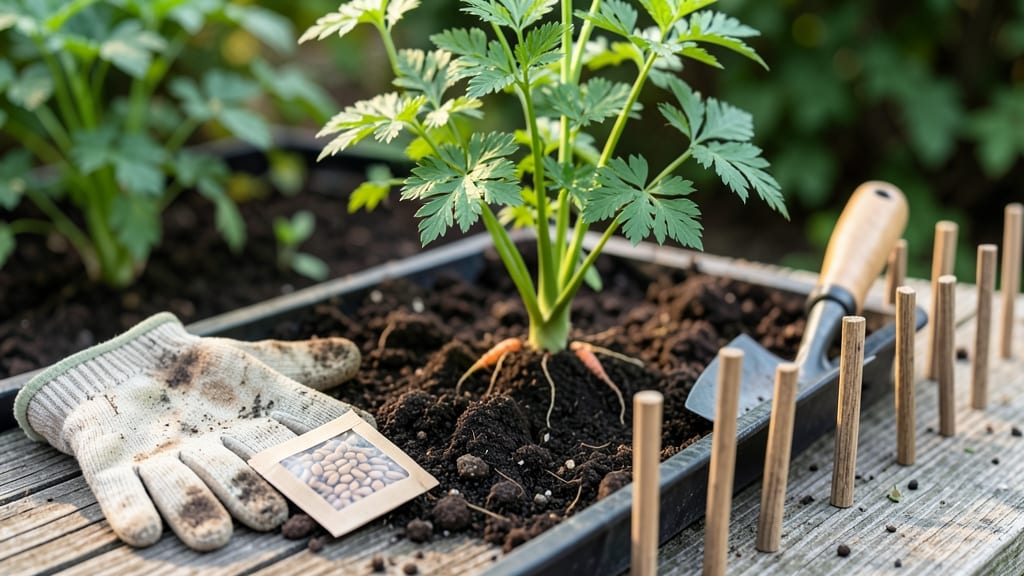
Knowing when to plant carrots in Zone 6a can mean the difference between a bountiful harvest of sweet, crisp 🥕 and a garden full of bitter, stunted roots.
Carrots are finicky about timing—too early, and frost will ruin your seeds; too late, and they’ll bolt before you even get a chance to pull them.
In Zone 6a, where last frosts linger around mid-April and summer heat arrives by July, the sweet spot is early spring (March–April) and late summer (July–August). But here’s the secret: soil temperature matters just as much as calendar dates.
Carrots need soil that’s 50–75°F to germinate properly, which means waiting until the ground warms up after frost—or using row covers to extend your window.
I’ve planted carrots in Zone 6a for years, and I’ve learned a few tricks to avoid common pitfalls. Whether you’re a first-time gardener or a seasoned green thumb, these insights will help you time your plantings perfectly for the best flavor and yield.
Let’s dive into the exact steps to get your carrots growing strong from seed to harvest.
From soil prep to frost management, I’ll walk you through everything you need to know to turn your Zone 6a garden into a carrot-growing powerhouse. No more guesswork—just reliable, actionable advice for a harvest you’ll actually want to eat.
Optimal planting times for carrots in Zone 6a based on soil temperature
In Zone 6a, where last spring frosts typically arrive around mid-April and summer heat kicks in by July, timing your carrot plantings correctly is key. Carrots are cool-season crops that thrive when soil temperatures hover between 50–75°F.
Planting too early in cold soil can delay germination for weeks, while waiting too long risks bolting before harvest.
The two best windows for planting carrots in Zone 6a are early spring (March–April) and late summer (July–August). Each season offers unique challenges, from frost protection to heat tolerance, but both can yield sweet, crisp roots with the right approach.
Here’s the breakdown of ideal planting times, soil temperature requirements, and frost management strategies to help you maximize your harvest:
| Planting Window | Soil Temperature | Frost Risk | Best Varieties | Action Steps |
|---|---|---|---|---|
| Early Spring (March–April) | 50–65°F | High (until mid-April) | 'Danvers', 'Nantes' | Use row covers; plant after last frost date. |
| Late Summer (July–August) | 60–75°F | Low (first frost in October) | 'Paris Market', 'Chantenay' | Plant 8–10 weeks before first frost; keep soil moist. |
For early spring plantings, start seeds indoors or use a seedling heat mat to warm the soil to at least 50°F before sowing. If frost threatens, cover seedlings with lightweight row fabric or a cloche.
I’ve found that planting in late March (when soil temps stabilize) gives me a head start on the growing season.
If you miss the spring window, don’t worry—late summer plantings (July–August) can still produce a fall harvest. Choose bolting-resistant varieties like 'Paris Market' and keep the soil consistently moist to prevent bitter flavors. In Zone 6a, aim to harvest before the first frost in mid-October.
One trick I swear by is successive planting every 2–3 weeks during both windows. This ensures a steady supply of fresh carrots and reduces the risk of bolting or overcrowding.
For example, plant a row in early March, another in mid-April, and a final row in early July for a staggered harvest from May through September.
Always test your soil temperature with a soil thermometer before planting. Carrot seeds won’t germinate well in soil colder than 50°F, and temperatures above 80°F can cause them to bolt prematurely. In my garden, I’ve seen germination rates drop by 50% when planting in soil that’s too cold.
Pro tip: If your soil is still too cold in early spring, try warming it with black plastic mulch for a few weeks before sowing. This simple trick can shave off weeks of waiting and get your carrots growing faster. Just
Optimal planting times for carrots in Zone 6a based on soil temperature
In Zone 6a, timing your carrot plantings around soil temperature—not just calendar dates—is key to avoiding germination failures. Carrot seeds need soil between 50–75°F to sprout reliably.
If you plant too early, cold soil will leave seeds sitting in the ground for weeks, while soil too warm can cause bolting (premature flowering).
For spring plantings, aim for late March to mid-April when soil reaches 50°F consistently. Use a soil thermometer to check—this is your best tool for precision. In my Zone 6a garden, I’ve found that waiting until April 1st gives seeds the warm soil they need without risking late frosts.
For fall plantings, the window is shorter but equally important. Start seeds in late July to early August when soil temps drop below 75°F. This gives carrots time to mature before first frost (mid-October).
I’ve had great success with ‘Danvers’ and ‘Nantes’ varieties in these late plantings—they’re more cold-tolerant than others.
| Planting Window | Ideal Soil Temp | Frost Risk | Best Varieties |
|---|---|---|---|
| Late March–Mid-April | 50–60°F | Moderate (use row covers) | ‘Nantes’, ‘Paris Market’ |
| Late July–Early August | 60–75°F | Low (before frost) | ‘Danvers’, ‘Chantenay’ |
If you’re unsure about soil temps, use row covers or black plastic mulch to warm the soil faster in spring. I’ve seen a 10°F difference in soil temperature under mulch versus bare ground—enough to shift planting windows by weeks.
For fall, focus on varieties that tolerate cooler temps to avoid bolting.
Pro tip: Plant a test row 2 weeks before your target date. If seeds sprout within 7–10 days, your soil is ready for full planting. This simple trick saves me from guessing and ensures strong germination every time.
Remember, consistent moisture is just as critical as timing. Carrot seeds need steady water to germinate, so mulch beds after planting to retain moisture and prevent crusting. With the right timing and soil prep, you’ll be pulling sweet, straight carrots in 60–80 days—no bitter surprises here!