Plants
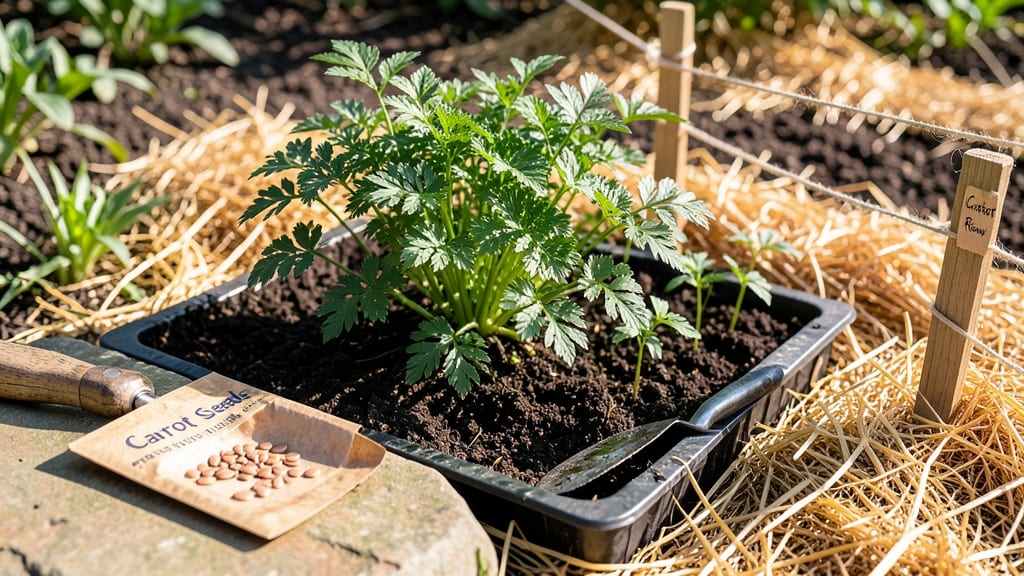
If you’ve ever planted carrots in Texas only to watch them bolt into bitter seeds before you could even harvest them, you’re not alone. The key to growing sweet, crisp 🥕 in Texas’s unpredictable climate isn’t just about timing—it’s about knowing the exact soil temperatures that trigger germination and bolting.
Texas gardeners in zones 8a-10a face a unique challenge: scorching summers and mild winters that can turn a carrot patch into a science experiment if you’re not careful.
The secret? Planting when soil temps hover between 50°F–85°F, a window that shifts dramatically depending on whether you’re in North, Central, or South Texas.
In this guide, I’ll break down the precise months to sow carrots in Texas—September–October for fall and February–March for spring—plus how to adjust for your specific region.
Whether you’re battling early heat or late frosts, these strategies will help you avoid wasted seeds and grow carrots that stay tender and delicious.
Ready to turn your garden into a carrot goldmine? Let’s dive into the soil temps, planting windows, and Texas-specific tricks that make all the difference.
Best planting times for carrots in Texas by soil temperature
Texas’s diverse climate means soil temperature is your secret weapon for growing sweet, crisp carrots instead of bitter bolts. Carrots thrive when soil stays between 50°F–85°F, but Texas’s heat can push them into bolting mode. Here’s the exact timing for each region to avoid wasted effort.
In North Texas (USDA Zone 8a), aim for September 1–October 15 or February 15–March 15. The soil cools enough to prevent bolting while still allowing a full harvest before winter frost.
South Texas (Zones 9b–10a) can extend planting until November 1 or start as early as January 15 for spring crops.
Central Texas (Zones 8b–9a) has the sweet spot—August 15–October 30 and February 1–March 15. Use a soil thermometer to confirm temps are below 85°F before sowing; anything hotter triggers bolting.
| Region | Ideal Planting Window | Soil Temp Range (°F) | Key Tip |
|---|---|---|---|
| North Texas (8a) | Sep 1–Oct 15, Feb 15–Mar 15 | 50°F–75°F | Use shade cloth if temps rise above 75°F. |
| Central Texas (8b–9a) | Aug 15–Oct 30, Feb 1–Mar 15 | 55°F–80°F | Plant in raised beds for better drainage. |
| South Texas (9b–10a) | Aug 1–Nov 1, Jan 15–Mar 1 | 60°F–85°F | Water deeply in morning to cool soil. |
For fall crops, focus on September–October when daytime highs drop below 85°F. In spring, February–March is ideal—soil warms gradually, reducing bolting risk. Avoid planting in April–May; Texas’s heat will turn your carrots into seed stalks faster than you can say “bitter.”
Pro tip: Test your soil’s pH (6.0–7.0) and add compost to improve drainage. Sandy soils (common in Texas) dry out fast—mulch with straw to retain moisture and keep roots cool.
If you’re in East Texas, where humidity lingers, opt for shorter-day varieties like ‘Nantes’ to prevent early bolting. West Texas gardeners should prioritize deep, loose soil to avoid forked roots—a classic Texas carrot challenge.
Timing isn’t just about months—it’s about soil conditions. Wait until soil temps drop below 85°F before sowing, even if the calendar says “spring.” Use a soil thermometer ($10 at garden centers) to track temps; it’s the only way to beat Texas’s unpredictable swings.
Remember: Bolting (going to seed) is your worst enemy. Once carrots bolt, they turn woody and bitter. By planting at these precise times, you’ll harvest sweet, crisp roots from December–January (fall) or June–July (spring), not sad, seedy stalks.
For extra insurance, plant succession crops every 2–3 weeks in fall or spring. This stretches your harvest and ensures you’re always eating fresh, homegrown carrots—no store-bought bitter aftertaste allowed.
Now grab your seeds, check that soil thermometer, and get planting! Your Texas-grown carrots will thank you with perfectly sweet rewards.
Best planting times for carrots in Texas by soil temperature
Texas’s diverse climate zones—from North Texas’s cooler winters to South Texas’s extended heat—mean your carrot planting window shifts dramatically depending on where you live. The golden rule? Sow seeds when soil temperatures sit between 50°F–85°F.
Below 50°F, germination stalls; above 85°F, carrots bolt into bitter seeds faster than you can say “Texas summer.”
For most of Texas, the ideal planting months are September–October for fall and February–March for spring. But let’s break it down by region so you don’t waste seeds on a failed experiment.
North Texas gardeners (Zone 8a) have a shorter window, while South Texas (Zone 10a) can stretch their season with clever tricks.
🌱 Pro Tip: Use a soil thermometer to check temps before planting. If your soil runs hotter than 80°F, wait or use shade cloth to cool it down.
| Region | USDA Zone | Best Planting Months | Soil Temp Range (°F) | Harvest Window |
|---|---|---|---|---|
| North Texas | 8a | September–October & February–March | 50°F–75°F | December–January & June–July |
| Central Texas | 8b–9a | August–September & February–March | 55°F–80°F | October–December & May–June |
| South Texas | 9b–10a | September–October & January–February | 60°F–85°F | November–January & April–May |
In North Texas, where frosts linger until mid-February, aim for September sowing to harvest before winter sets in. Central Texas gardeners can push it slightly later—August sowings often work if you provide afternoon shade.
Meanwhile, South Texas can even try a January–February planting for a spring harvest, though you’ll need to monitor soil moisture closely.
💡 Key Insight: Texas’s sandy soils (common in West Texas) dry out faster than clay soils. If your soil feels like a desert, water deeply every 2–3 days to keep roots growing straight and sweet.
Miss the ideal window? Don’t panic. The next section covers how to extend your carrot season using shade cloth, succession planting, and companion plants—all while keeping your carrots from bolting into frustration.