
Plants
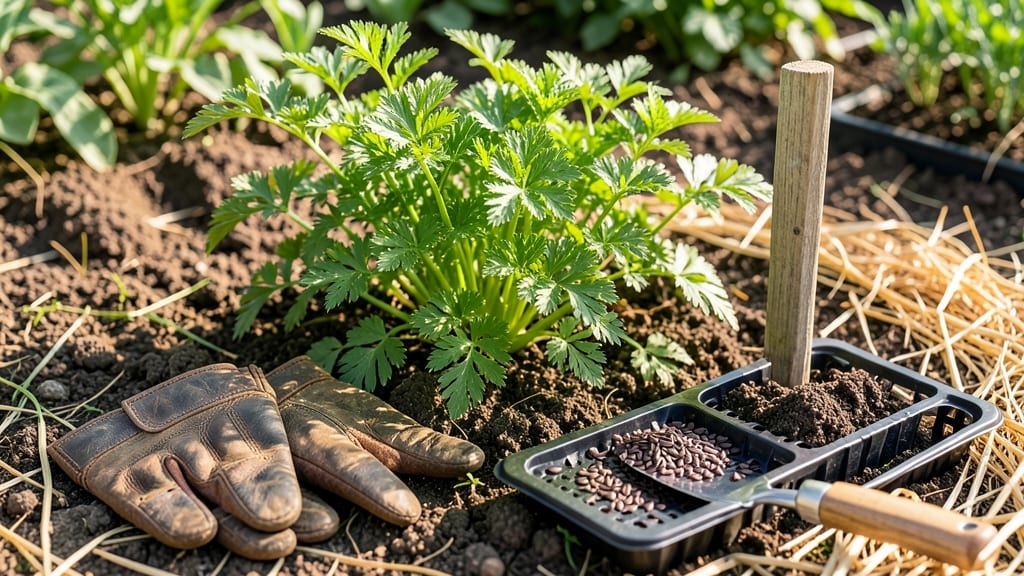
Timing your 🥕 carrot seed planting in Michigan can mean the difference between a bountiful harvest and a sad, woody mess. If you plant too early, frost will turn your tender seeds to mush, while waiting too long risks bolting—when your carrots flower instead of growing roots.
The key to success lies in Michigan’s unique climate, where USDA Zones 5b-6b demand precise attention to frost dates and soil temperatures. Most gardeners here swear by planting in early spring (March-April) and again in late summer (July-August) for a continuous supply of sweet, crisp carrots.
But here’s the catch: soil needs to reach at least 50°F for seeds to germinate properly, and Michigan’s short growing season means you’ve got to work fast. Whether you’re a first-time gardener or a seasoned pro, nailing these timing details will give you the edge for a thriving carrot patch.
Let’s break down exactly when to plant, how to stagger your seeds for maximum yield, and what varieties thrive best in Michigan’s climate—so you can enjoy homegrown carrots from late summer right through fall.
Michigan carrot planting calendar: exact weeks before/after last frost
Michigan’s USDA zones 5b-6b create a unique challenge for carrot growers—short seasons demand precision. The last spring frost typically arrives between mid-April and early May, while the first fall frost hits around mid-October.
To maximize your harvest, aim to plant carrot seeds 2-3 weeks before your last frost date when soil temperatures reach 50°F or warmer.
For most of Michigan, this means starting seeds indoors in late March or sowing directly outdoors in early April. However, southern Michigan (like Detroit) can plant 2 weeks earlier, while northern regions (like Traverse City) may need to wait until late April.
Always check your local Michigan State University Extension frost date maps for precise timing.
🌱
| Planting Window | Weeks Before/After Last Frost | Soil Temp (°F) | Michigan Regions |
|---|---|---|---|
| Early Spring | 2-3 weeks before | 50-60°F | Southern MI (Detroit, Kalamazoo) |
| Early Spring | 3-4 weeks before | 50-60°F | Central MI (Lansing, Grand Rapids) |
| Early Spring | 4-5 weeks before | 50-60°F | Northern MI (Traverse City, Marquette) |
| Late Summer | 10-12 weeks before first frost | 55-65°F | All regions (July-August) |
Don’t stop at spring! For a continuous harvest, plant a second crop in late July to early August. These late-summer carrots will mature just in time for fall harvests before frost sets in.
Choose bolting-resistant varieties like ‘Nantes’ for this second planting, as long summer days can trigger premature flowering.
Pro tip: Use black plastic mulch to warm soil faster in spring or shade cloth in summer to protect seedlings from intense sun. Both tricks help extend your planting windows by 1-2 weeks in either direction.
🌿
If you’re new to Michigan gardening, remember: soil temperature matters more than air temperature. Use a soil thermometer to confirm readiness—carrot seeds won’t germinate below 50°F. In cooler years, consider starter fertilizers or row covers to jumpstart growth.
For urban gardeners with limited space, container growing works well. Use deep pots (at least 12 inches deep) filled with loose, rocky-free soil to prevent forked roots. Just ensure containers warm up quickly in spring by placing them on black plastic or dark-colored surfaces.
💧
Finally, account for Michigan’s unpredictable weather. Have a backup plan: if late spring brings unexpected frosts, protect seedlings with frost blankets. Conversely, if summer arrives early, prioritize shade and consistent watering to prevent bolting.
With this precise timeline, you’ll enjoy crisp, homegrown carrots from June through October—no more store-bought roots that taste like cardboard! Start planning your two-crop strategy today.
5 Critical factors that determine your carrot planting success in Michigan
Michigan’s variable climate and rocky soil can make carrot growing tricky if you don’t account for these 5 key factors. From soil depth to variety choice, each plays a role in your harvest’s success. Let’s break down what truly matters beyond just frost dates.
First, soil depth is non-negotiable—carrots need 6+ inches of loose soil to grow straight. Michigan’s heavy clay or rocky subsoil often fails here. I’ve seen carrots fork or split when hitting obstacles, so amend with compost or sand before planting. Test your soil’s depth with a trowel first!
Second, moisture consistency prevents woody roots. Carrots need 1 inch of water weekly, but Michigan’s summer droughts can stress them. Mulch with straw or grass clippings to retain moisture and keep roots cool. I’ve had better luck with drip irrigation than overhead watering—it avoids fungal issues too.
🌱 Numbered Highlights: Carrot Success Factors
- Soil Depth: 6+ inches of loose, amended soil to prevent forking.
- Moisture: Consistent 1 inch/week; mulch to retain water.
- Weed Control: Thin seedlings to 2-3 inches apart—weeds compete fiercely.
- Variety Choice: Short-day types (e.g., ‘Danvers’) thrive in Michigan’s climate.
- Succession Planting: Sow every 2 weeks from spring to early summer for continuous harvests.
Third, weed competition is your worst enemy. Carrot seeds are tiny, and weeds like lambsquarters will outcompete them. I swear by hoeing weekly and using black plastic mulch in high-weed areas. Thin seedlings to 2-3 inches apart—crowding leads to small, misshapen roots.
Fourth, variety selection matters more than you’d think. Michigan’s short growing season favors short-day varieties like ‘Danvers Half Long’ (60 days) over long-day types. I’ve had ‘Nantes’ bolt in hot summers, so I now plant them in late July for fall harvests instead of spring.
Finally, succession planting extends your harvest window. Instead of one big planting, sow seeds every 2 weeks from late March through early June. This ensures you’re always harvesting fresh carrots—no more sad, woody leftovers by August!
Pro tip: Use shade cloth in peak summer (July-August) if temps hit 85°F+. Carrots bolt faster in heat, and that means bitter, stringy roots. A little shade goes a long way in Michigan’s humidity.